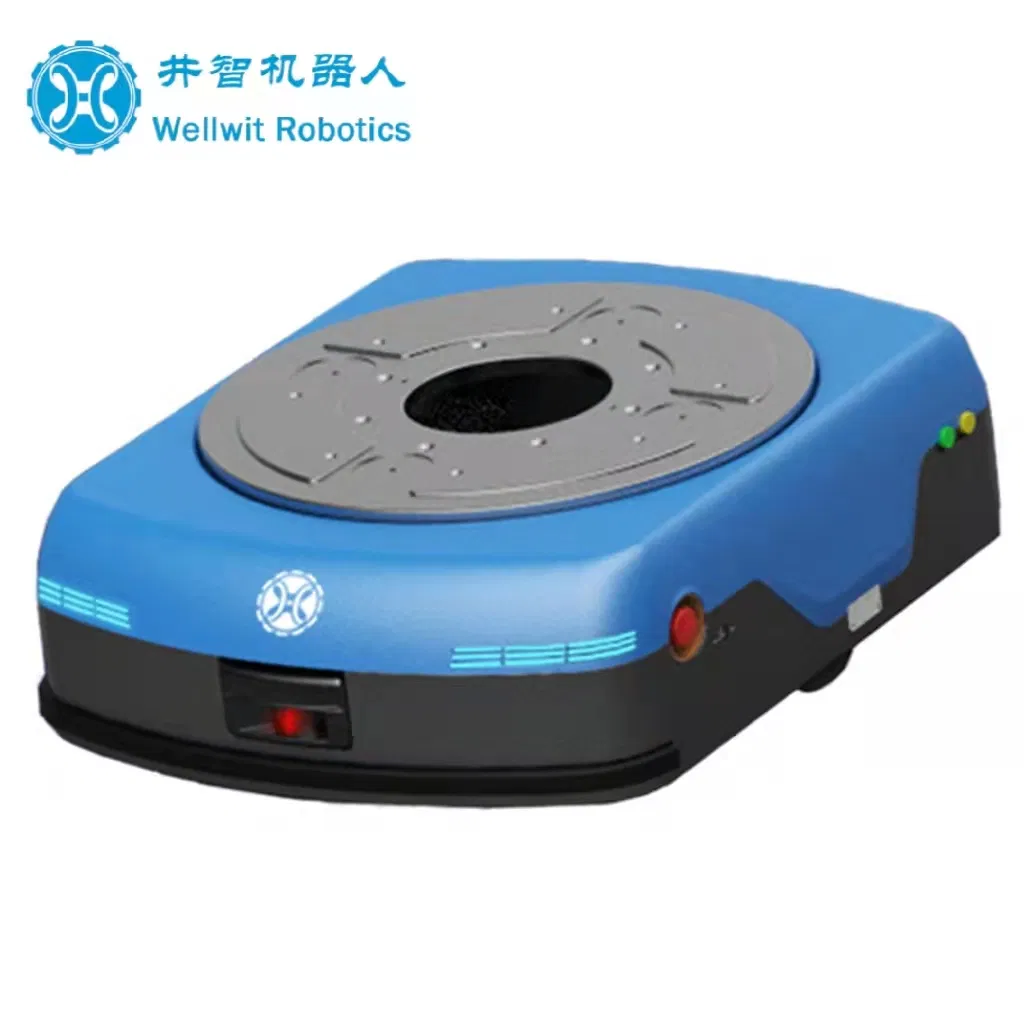
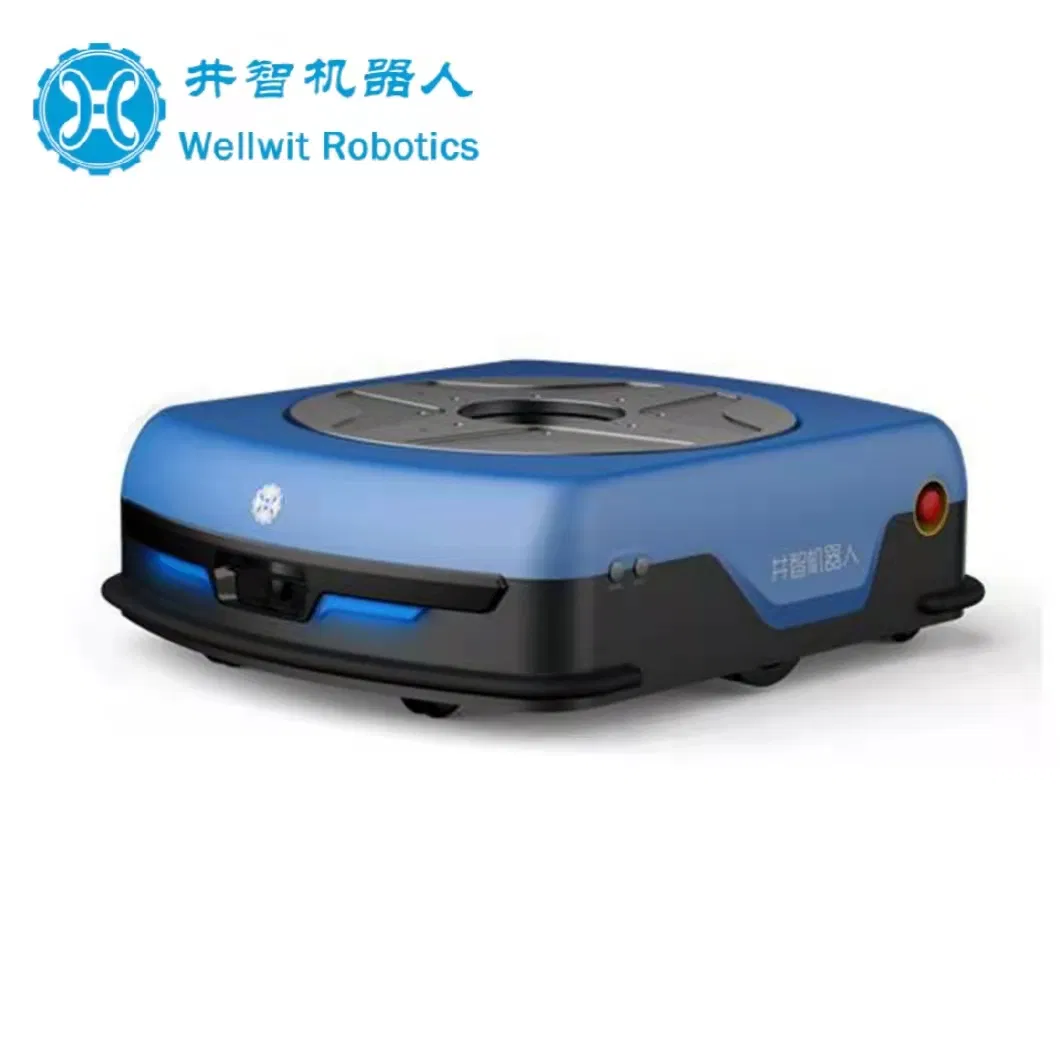
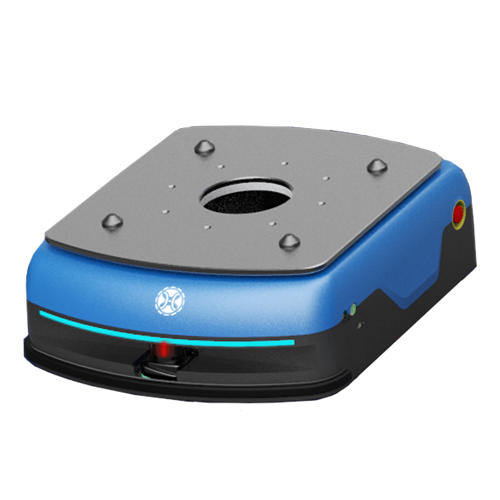
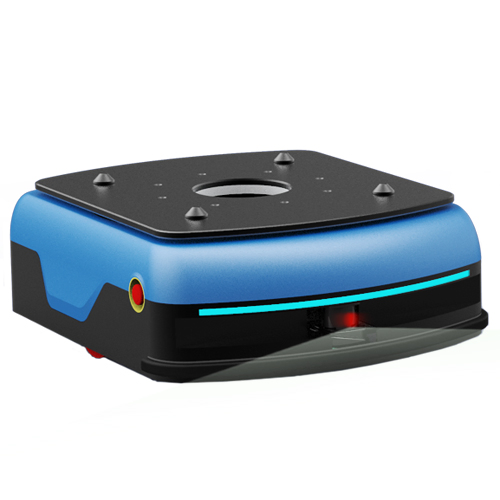
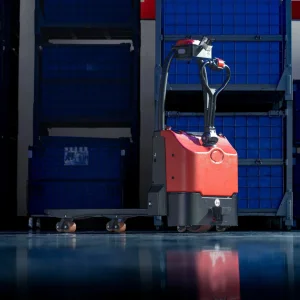
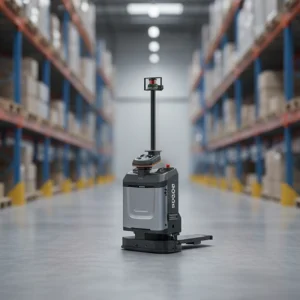
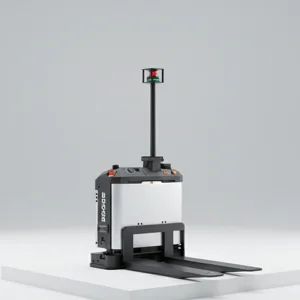
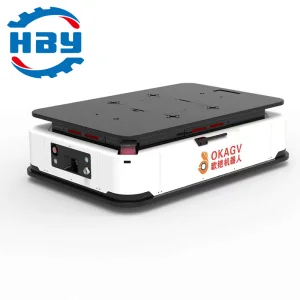
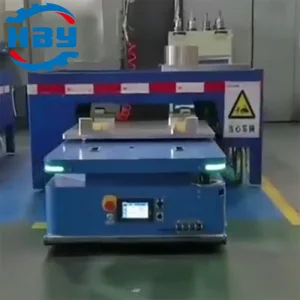
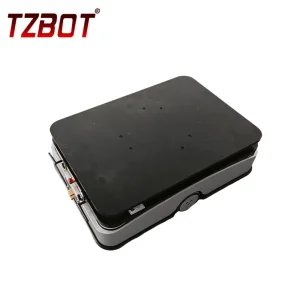
Basic Specifications
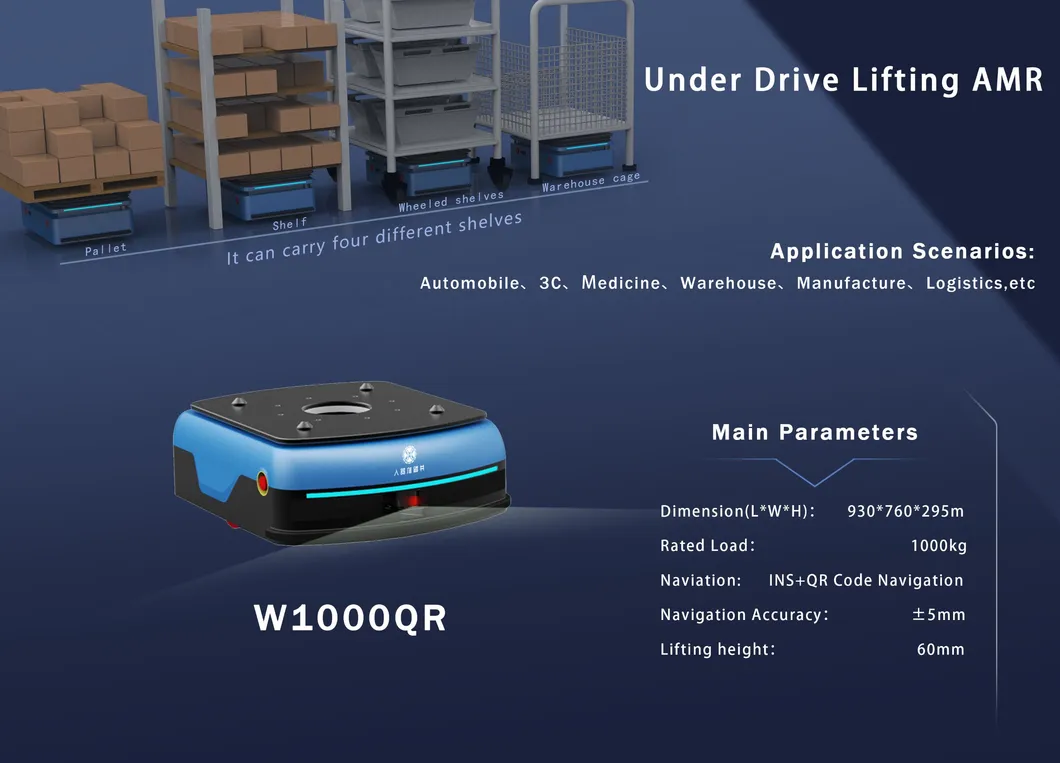
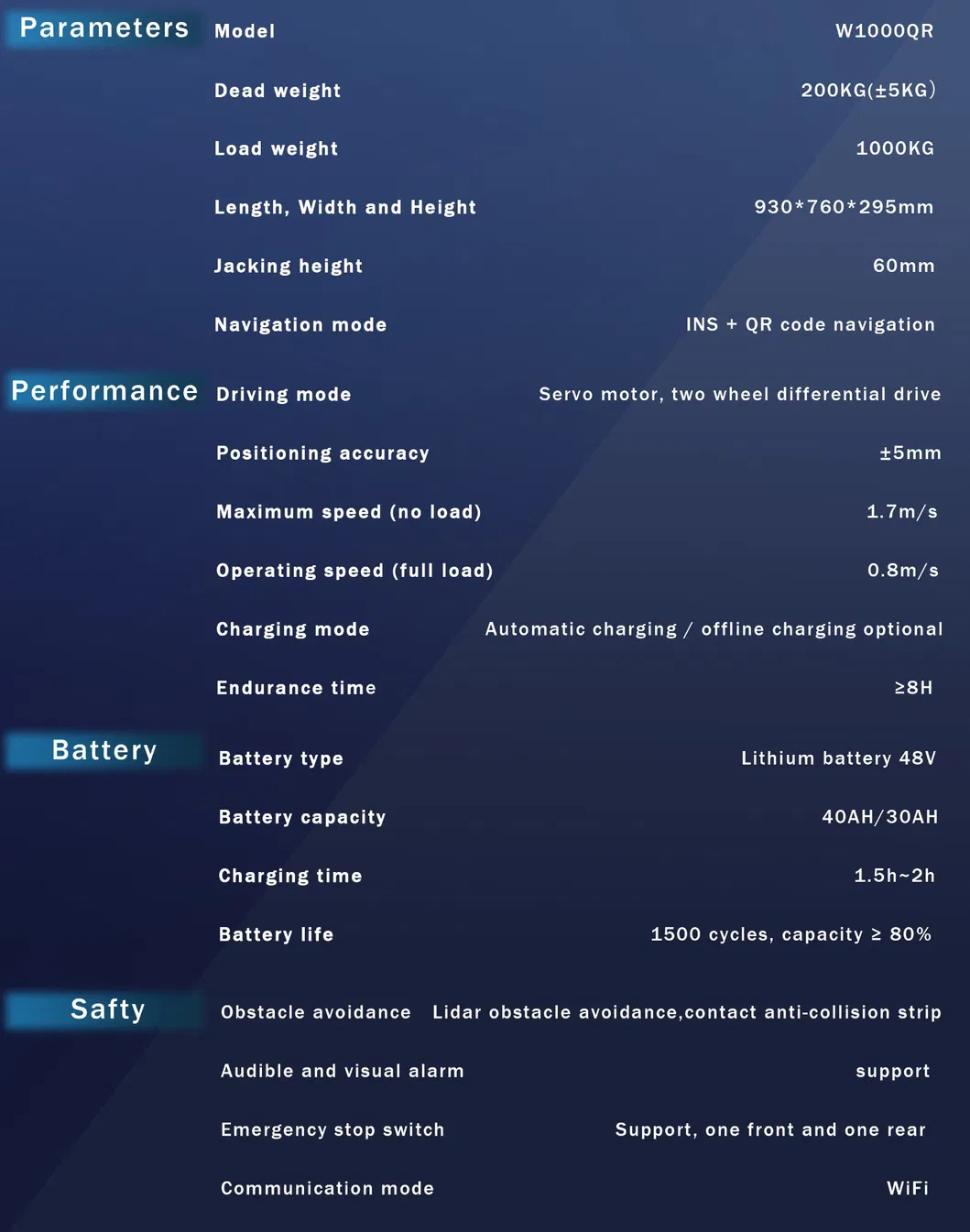
Battery Type
Lithium Battery 48V
Charging Mode
Automatic / Offline
Obstacle Avoidance
Lidar + Contact Bumper
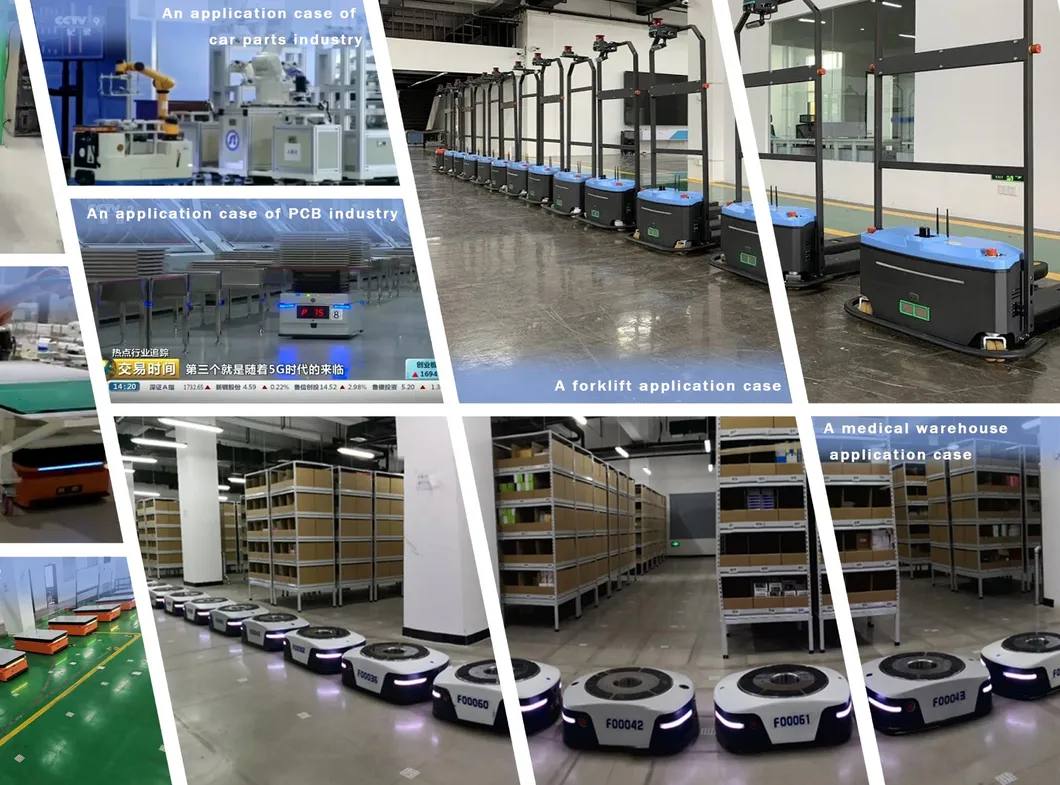
Application
Warehouse, Logistics, Manufacturing
Specification
1280*800*420mm
Packaging & Delivery
Package Size
93.00cm * 76.00cm * 29.50cm
Product Overview

Key Features & Advantages
◈
Precision NavigationHigh-accuracy positioning of ±10mm using QR code navigation combined with an inertial navigation system for real-time correction.
◈
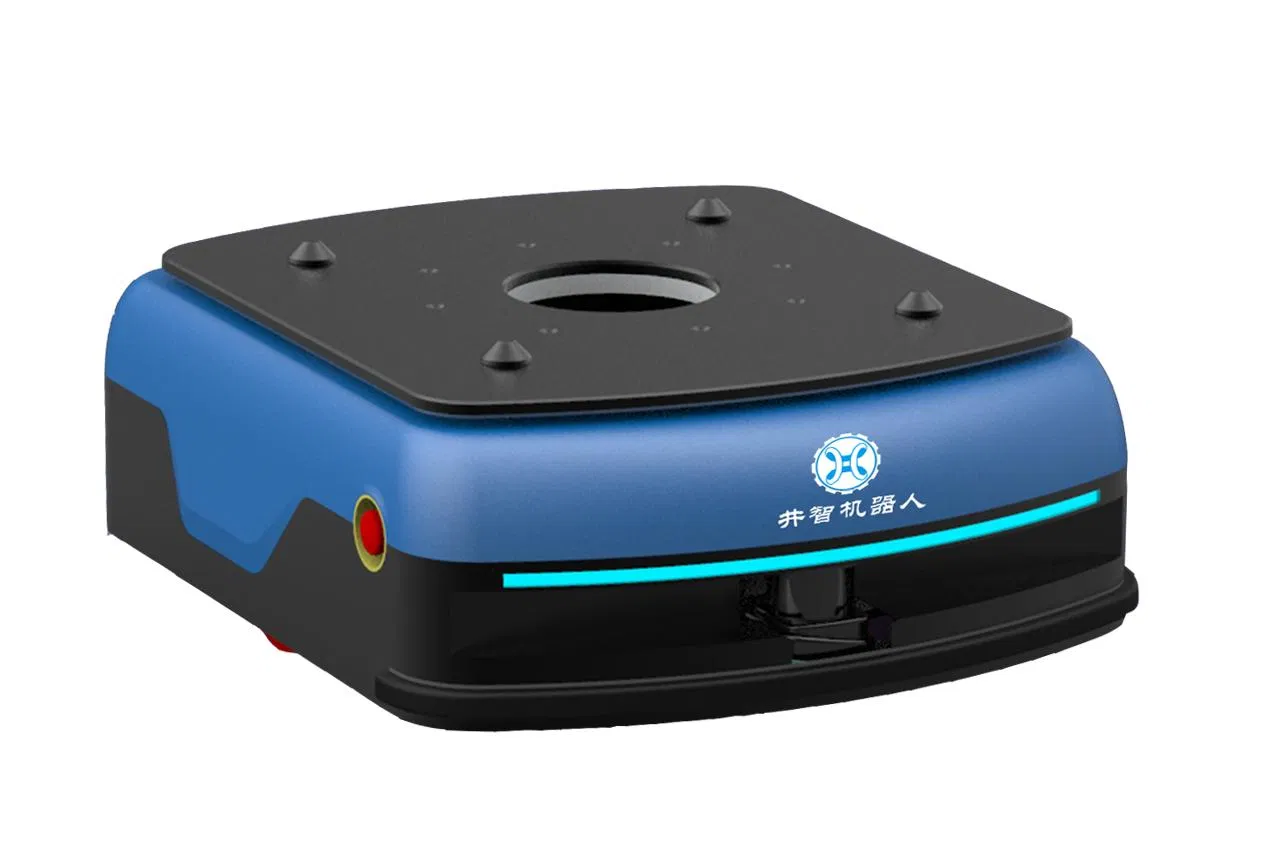
High Payload CapacityPowerful lifting and rotating capabilities allow for the transport of goods up to 1000kg.
◈
Modular DesignThe entire machine adopts a modular design, making assembly, troubleshooting, and maintenance highly convenient.
◈
Smart Energy ManagementFull load endurance of over 8 hours with automatic low-power threshold charging to ensure 24/7 operation.
◈
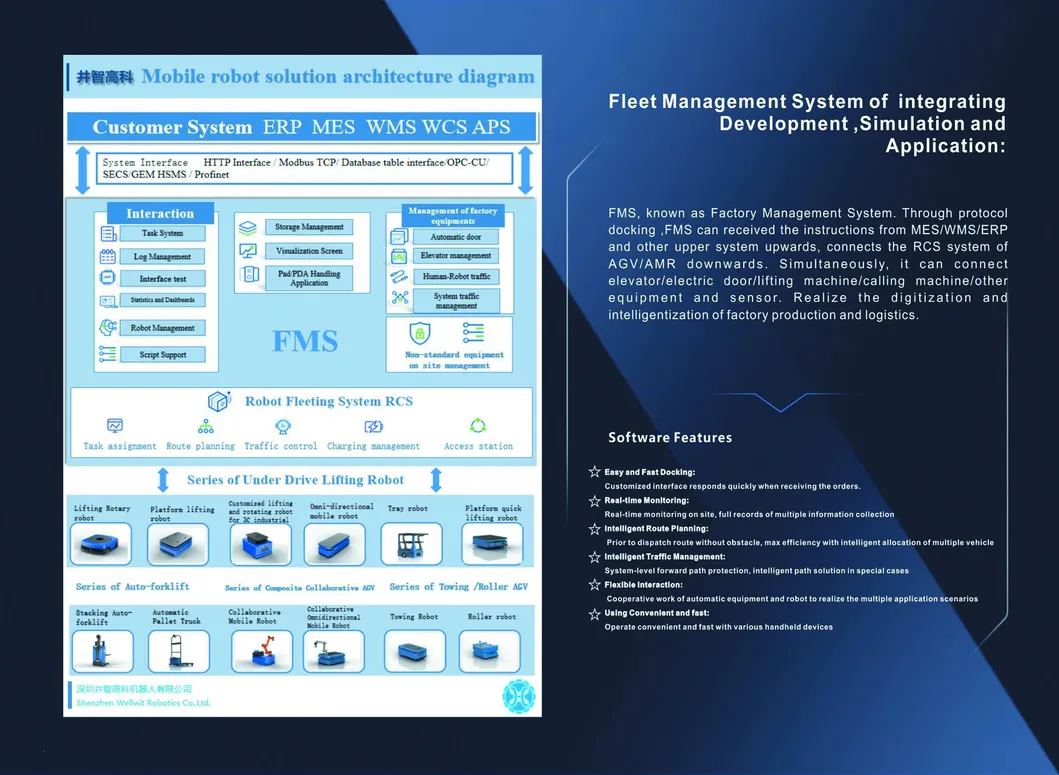
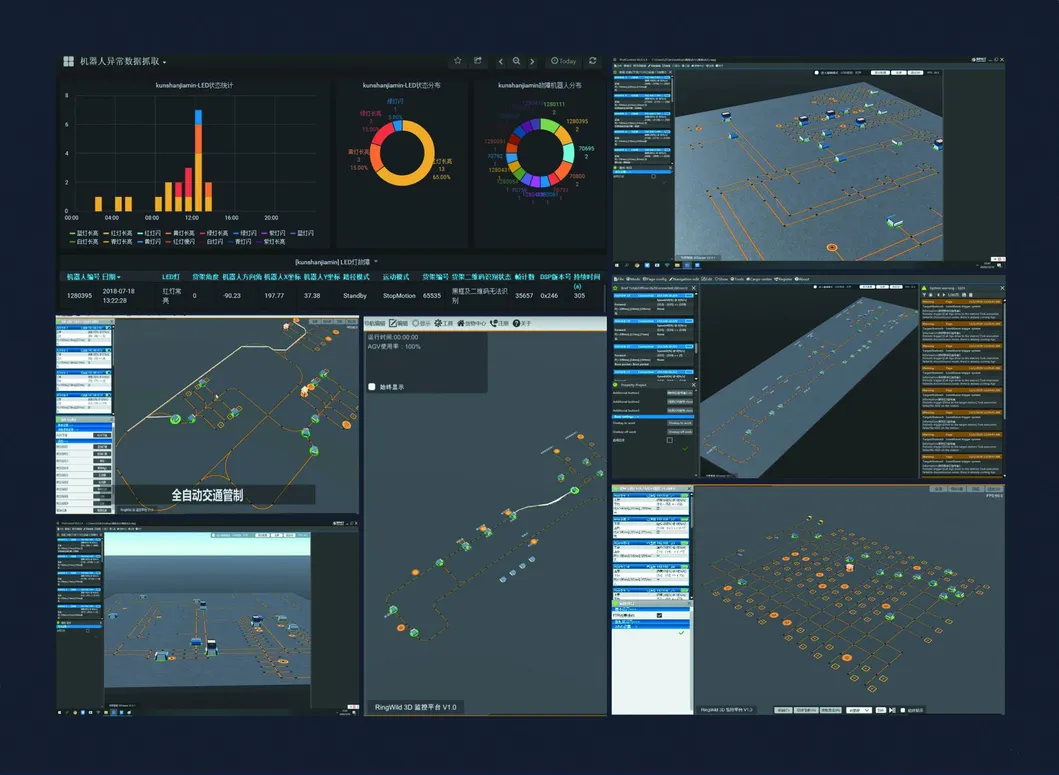
Cluster Scheduling SystemMonitor working status, battery levels, and location of all robots simultaneously through a centralized dispatching system.
◈
Multi-Level Safety ProtectionEquipped with Lidar obstacle avoidance, front contact anti-collision bars, and emergency stop buttons for maximum safety.

Frequently Asked Questions
Q1: What is the maximum payload capacity of the W1000QR?
A: The W1000QR is designed to handle a maximum load of 1000kg, making it suitable for most heavy-duty warehouse and manufacturing tasks.
Q2: How does the navigation system work?
A: It utilizes a hybrid system of QR code navigation and inertial navigation (INS) to achieve a high positioning accuracy of ±5mm to ±10mm.
Q3: How long can the robot operate on a single charge?
A: The lithium battery provides at least 8 hours of continuous operation under full load. It also supports automatic charging when the battery level drops below a set threshold.
Q4: What safety features are included for industrial use?
A: The AGV is equipped with multi-layered safety protocols, including Lidar-based obstacle avoidance, front contact bumper strips, and dual emergency stop buttons on the left and right sides.
Q5: Can multiple robots be managed at the same time?
A: Yes, the cluster scheduling system allows for real-time monitoring of all robots' status, energy levels, and locations, facilitating efficient path planning and unmanned operation.
Q6: Is maintenance difficult?
A: Not at all. The modular design of the entire machine ensures that assembly, part replacement, and general maintenance are straightforward and time-efficient.
 IDD Motion