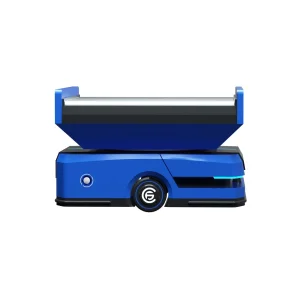
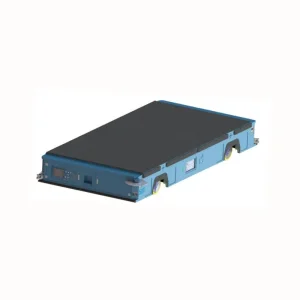
Q1: Which type of navigation technologies are available for AGVs?
A: There are several key technologies:
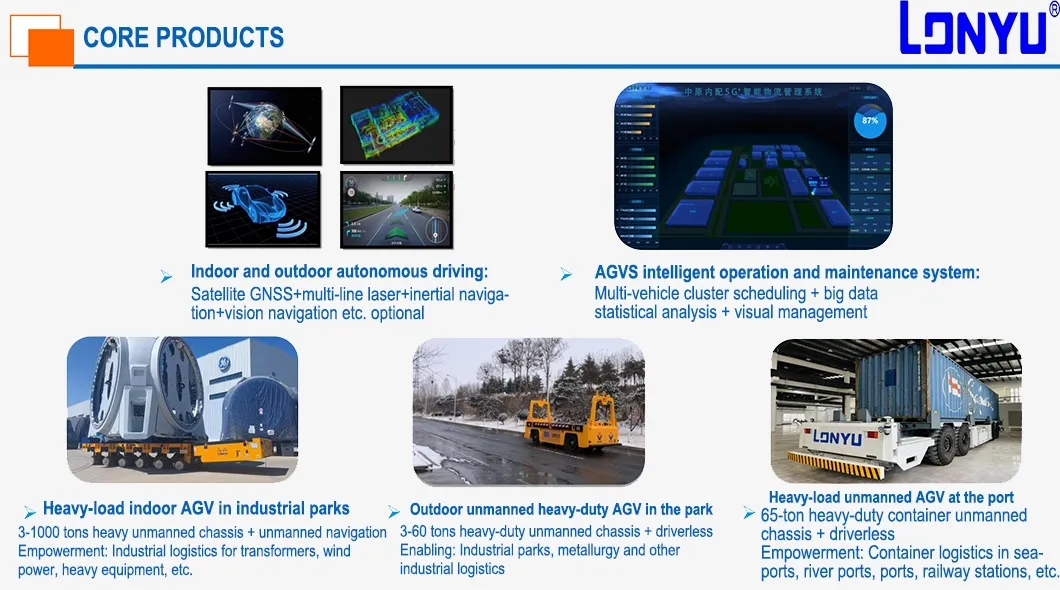
• Laser guidance: Extremely accurate, suitable for medical applications.
• Wire guidance: Uses ground tracks; best for fixed applications lacking flexibility requirements.
• Vision guidance: Uses camera-recognized paths on the ground with lower installation costs.
• Geographical navigation: Mapping-based, allows autonomous movement without infrastructure adjustments. This is the most flexible and reliable solution.
Q2: Would an AGV be a suitable solution for my facility?
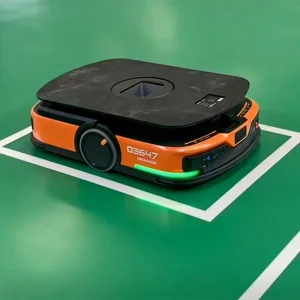
A: AGVs are excellent for horizontal movement of materials and components. To determine if it's the right choice, you must consider the weight of your load and the specific travel requirements of your application.
Q3: What are the primary benefits of using heavy-duty AGVs?
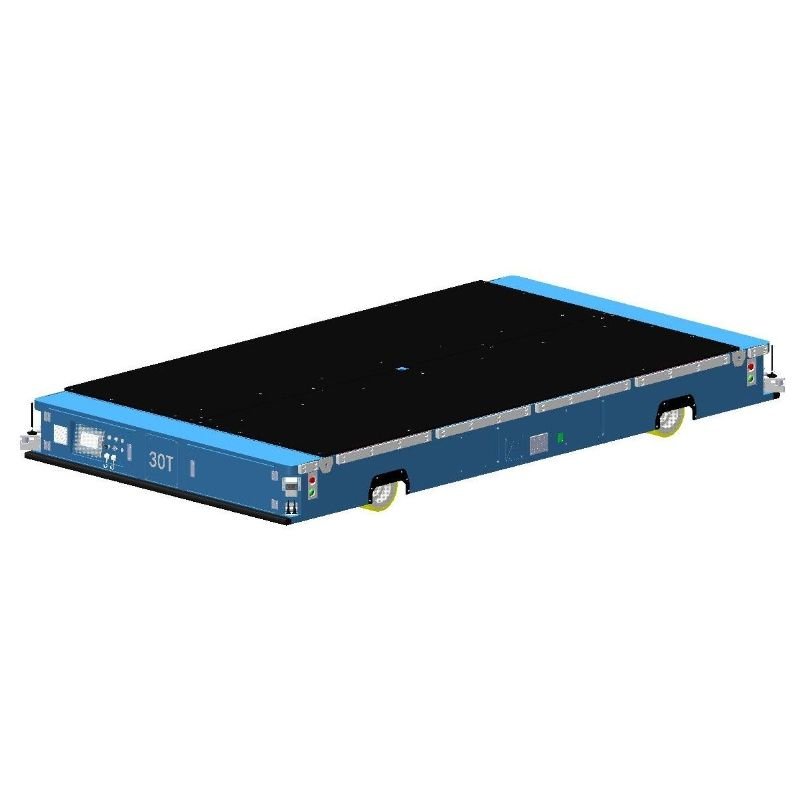
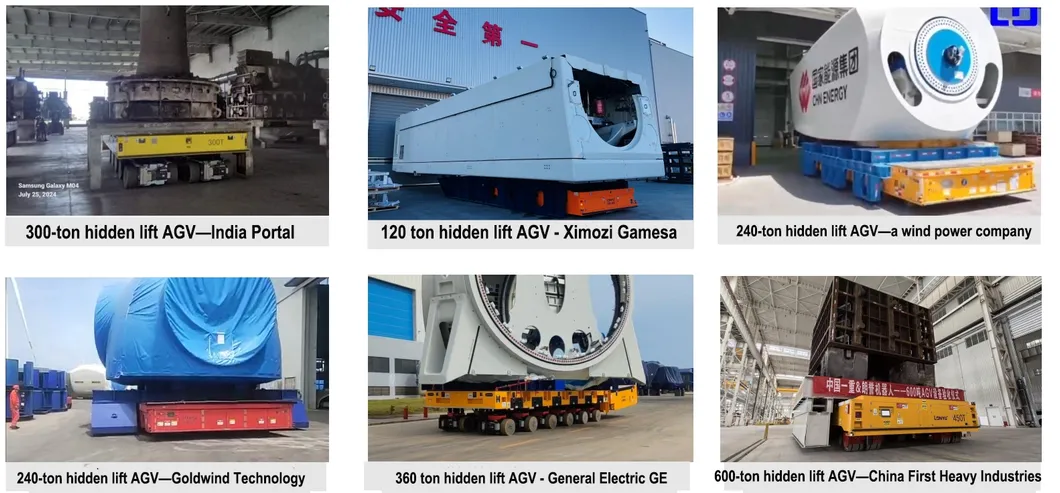
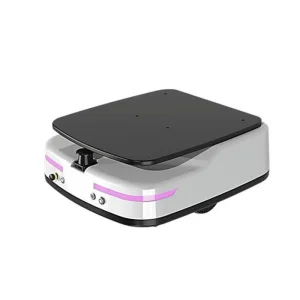
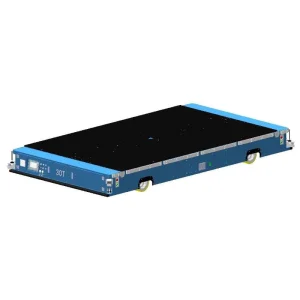
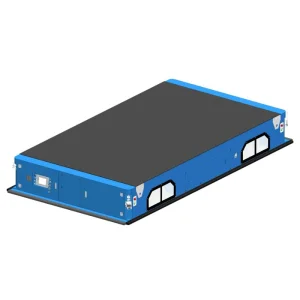
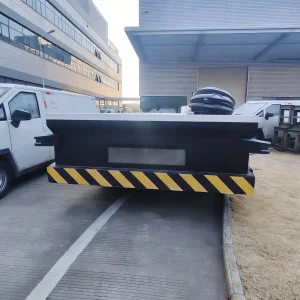
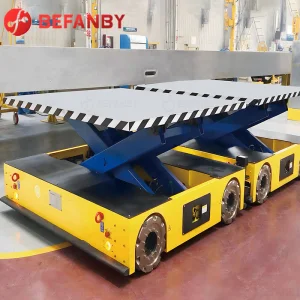
A: They offer easy operation, high safety, and stable performance. Features include automatic lifting, hydraulic independent suspension, automatic leveling, anti-collision systems, and the ability to adapt to uneven ground. They are affordable options for handling heavy or long loads in restricted passages.
Q4: In which industries are heavy-duty AGV transfer vehicles used?
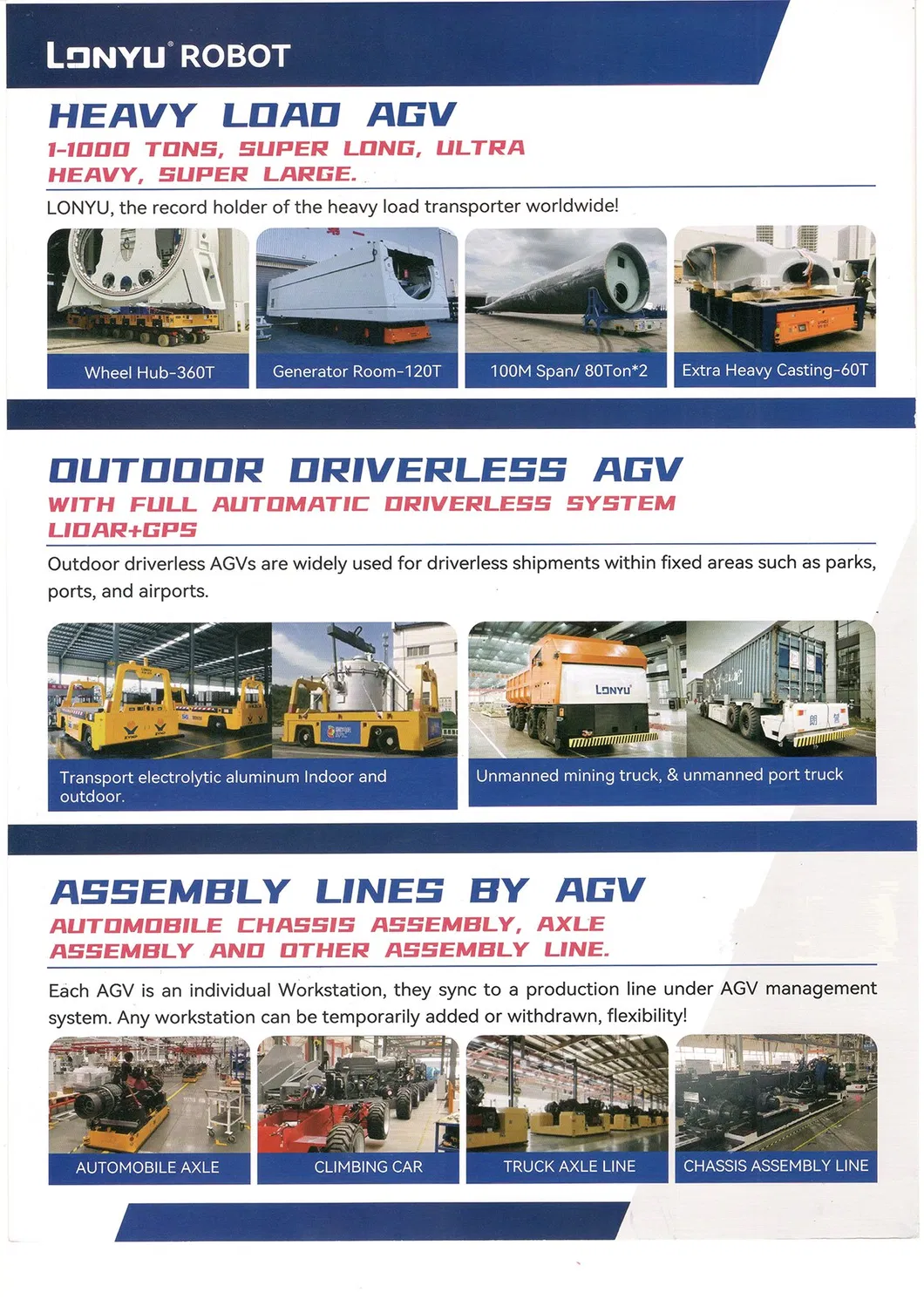
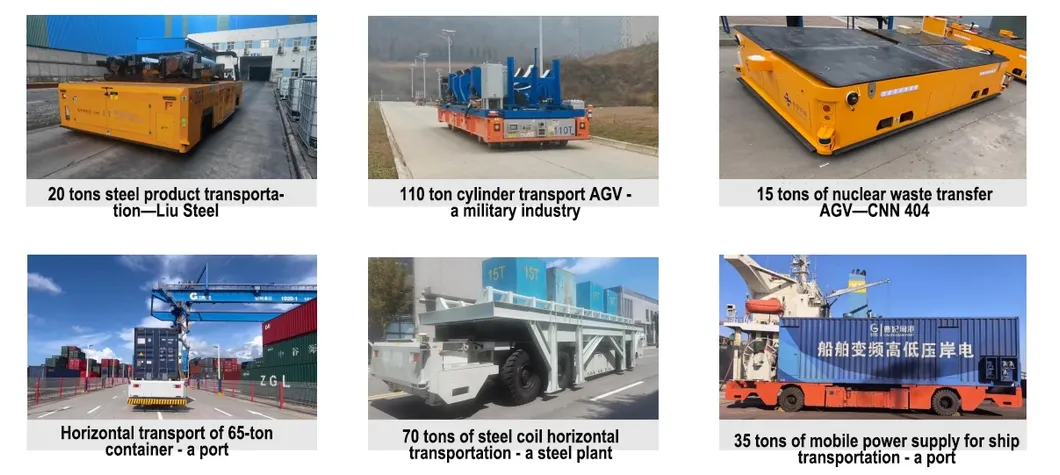
A: They are mainly utilized in warehousing, manufacturing, ports, airports, and special industries to automate the handling of overweight or overlong materials, thereby improving production efficiency and reducing labor intensity.
Q5: What makes heavy-duty AGVs specialized for large-scale logistics?
A: These vehicles are critical equipment in logistics automation. They shorten the logistics cycle, accelerate capital turnover, and improve economic benefits by realizing automated handling in areas that were previously manually intensive.
Q6: What safety mechanisms are integrated into these AGVs?
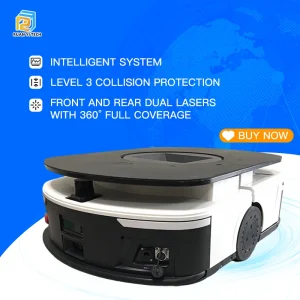
A: Safety is prioritized through Collision Avoidance Systems, Emergency Stop Buttons, Obstacle Detection Sensors, and Safety Laser Scanners, ensuring safe operation in complex industrial environments.
 IDD Motion