How to Transform Traditional Warehouses into Smart Systems in 2026?

Time:2026-06-29 Author:Charlotte
0%

As the logistics industry evolves rapidly, the transformation of traditional warehouses into smart systems becomes crucial. The concept of how to upgrade traditional warehouses to smart systems is not just a trend; it is necessary for enhancing efficiency and reducing costs. By integrating advanced technologies, warehouses can optimize their operations significantly.

Smart systems involve the use of automation, data analytics, and the Internet of Things (IoT). These innovations enable real-time monitoring and data collection, leading to better decision-making. Imagine a warehouse where inventory levels are tracked automatically. This level of precision can lead to reduced waste and increased productivity.

However, the transition is not without challenges. Some may struggle with the initial investment or resistance to change from employees. It is essential to address these concerns with comprehensive training and a clear understanding of the benefits. Reflection on these issues will highlight the need for thoughtful planning and execution in this transformative journey.
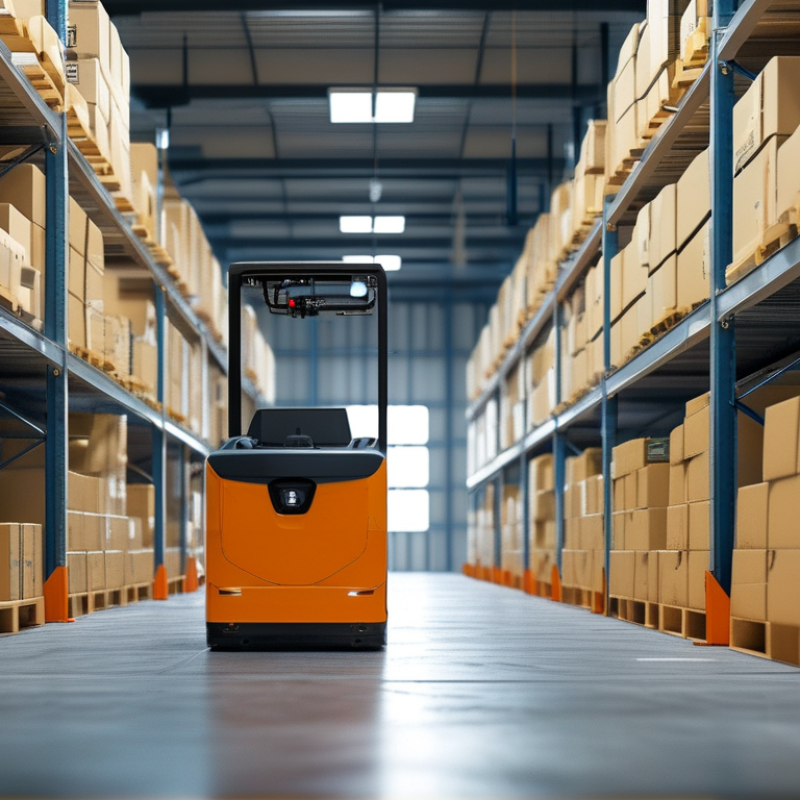
How to Transform Traditional Warehouses into Smart Systems in 2026?

Ways to Incorporate Internet of Things (IoT) in Warehouse Operations

Incorporating Internet of Things (IoT) technology into warehouse operations can revolutionize logistics. Sensors and smart devices can monitor inventory levels in real time. This helps reduce errors in stock management. By connecting equipment, warehouses become more efficient and responsive.

Implementing IoT requires careful planning. Many facilities face challenges in integrating existing systems with new technologies. Workforce training is crucial; employees need to adapt to new tools. Regular maintenance is also essential to ensure devices function correctly.

Real-time data analytics is another vital aspect. It allows managers to make informed decisions quickly. However, not all data leads to actionable insights. Some analytics may present misleading trends. Constant evaluation of collected data is necessary for true operational improvement.

Smart Warehouse Transformation: IoT Integration in 2026

Utilizing Artificial Intelligence for Inventory Management and Optimization

In 2026, transforming warehouses into smart systems relies heavily on artificial intelligence (AI) for inventory management. Research shows that AI can boost supply chain efficiency by up to 30%. This shift is not just useful; it’s essential as businesses face increasing demands for faster delivery. Utilizing predictive analytics, companies can forecast inventory needs more accurately. This approach reduces stockouts and excess inventory. Improving efficiency often leads to significant cost savings.

AI-driven solutions can analyze real-time data from various sources. According to industry reports, organizations using AI have seen a 20% decrease in operational costs. However, the integration process is not without challenges. Companies must grapple with data quality and the need for staff training. Resistance to change can stall implementations. Addressing these issues requires strategic planning and stakeholder collaboration.

While many organizations are excited about AI's potential, caution is warranted. Over-automating processes may lead to unintended consequences, such as reduced workforce flexibility. Emphasizing a balanced approach will be vital in navigating these complexities. Implementing AI is an evolving journey, not a one-off solution. The focus should remain on continuous improvement and adapting to dynamic market conditions.

Benefits of Automation: Increasing Efficiency in Warehouse Processes

In 2026, transforming traditional warehouses into smart systems is essential. Automation plays a crucial role in this evolution. It enhances efficiency in various warehouse processes, ultimately optimizing operations. Automation reduces manual tasks. This leads to faster order fulfillment and improved accuracy.

Smart systems can use advanced technology, like AI and IoT. These technologies help in real-time monitoring and inventory management. For instance, automated guided vehicles (AGVs) can transport goods without human intervention. This capability minimizes errors and accelerates movement within the warehouse. However, integrating automation can be challenging. Employees may need retraining or may feel threatened by new technologies. These concerns must be addressed thoughtfully.

Moreover, data-driven decision-making comes with automation. With better data insights, managers can make informed choices. This can lead to reduced storage costs and enhanced workflow. Yet, it's vital to remember that automation should not completely replace the human touch. Balancing technology with human oversight remains important in creating a truly efficient warehouse.

Data Analytics: Driving Smart Decision-Making in Warehousing

In 2026, transforming traditional warehouses into smart systems is essential. Data analytics plays a pivotal role in this transformation. It enables warehouses to harness real-time insights and make informed decisions. According to a report by McKinsey, data-driven companies achieve 23 times more customer acquisition and 6 times higher retention rates. These benefits are crucial for businesses aiming for operational efficiency.

Implementing data analytics begins with capturing relevant data. This includes inventory levels, order patterns, and employee performance metrics. Analyzing this data helps identify inefficiencies, such as picking errors or delays in shipping. For instance, a report by Deloitte suggests that firms using advanced analytics can reduce logistics costs by up to 15%.

Tip: Start with small pilot projects. This allows teams to test systems and refine processes without a significant investment.

Moreover, utilizing predictive analytics can forecast demand, leading to proactive inventory management. A rough approach to data implementation may overlook critical aspects, like employee training or data security. Continuous feedback loops are essential to ensure the system's effectiveness and adaptability.

Tip: Foster a culture of data literacy among employees. This helps in making smarter, data-driven decisions throughout the organization.

How to Transform Traditional Warehouses into Smart Systems in 2026?

Warehouse Aspect Traditional Approach Smart System Approach Benefits of Smart Systems
Inventory Management Manual counting and tracking Automated tracking with RFID and IoT Increased accuracy and real-time updates
Order Fulfillment Pick and pack manually Robotic process automation Faster turnaround times and reduced labor costs
Data Analytics Basic reporting and historical data Predictive analytics and business intelligence tools Informed decision-making and forecasting
Facility Management Reactive maintenance Predictive maintenance using IoT Reduced downtime and extended equipment life
Customer Experience Standard communication modes Personalized customer interaction using AI Enhanced satisfaction and loyalty

Sustainable Practices in Smart Warehousing: Energy Efficiency Innovations

In 2026, transforming traditional warehouses requires a focus on energy efficiency. Smart warehousing employs technologies that reduce power consumption. These methods enhance sustainability, yet there are challenges in implementation.

Using advanced sensors, warehouses can monitor and optimize energy use. This approach helps identify peak usage times and adjust accordingly. Lighting systems that adapt based on natural light help save electricity. However, not all facilities can afford these upgrades. Smaller operations may struggle to invest in such technologies.

Training employees is crucial for successful transitions. Staff must understand how to operate smart systems effectively. Some workers may resist changes, feeling uneasy with new tech. Ensuring an inclusive approach can address these concerns. Open discussions about benefits are essential for fostering acceptance. Balancing innovation with practicality will pave the way for a sustainable future in warehousing.

FAQS

: What role does data analytics play in warehousing?

: Data analytics helps warehouses gain real-time insights. It enables informed decision-making and operational efficiency.

How can data-driven companies benefit?

They can achieve significantly higher customer acquisition rates. Retention rates are also notably improved.

What data should be captured for analytics?

Relevant data includes inventory levels, order patterns, and employee performance metrics. This data identifies inefficiencies.

What is a simple strategy for implementing data analytics?

Start with small pilot projects. This reduces investment risk and allows for process refinement.

How can predictive analytics be useful in warehousing?

It can forecast demand, ensuring proactive inventory management. This minimizes stockouts and overstock situations.

What challenges might warehouses face with smart technologies?

Smaller operations may struggle to afford necessary upgrades. Employee resistance to new tech can also be a barrier.

Why is employee training important in smart warehousing?

Staff must understand smart systems for successful implementation. Knowledge promotes confidence and acceptance of changes.

What can be done to foster a culture of data literacy?

Encourage open discussions about the benefits. This empowers employees to make smarter, data-driven decisions.

How does energy efficiency contribute to smart warehousing?

It reduces power consumption, enhancing sustainability. However, costs and implementation challenges exist.

What is a potential issue with data implementation?

A rough approach may neglect employee training or data security. Continuous feedback is necessary for effectiveness.

Conclusion

Transforming traditional warehouses into smart systems by 2026 involves several key strategies. Firstly, incorporating the Internet of Things (IoT) into warehouse operations can significantly enhance connectivity and real-time data collection, allowing for improved tracking of inventory and assets. Utilizing Artificial Intelligence (AI) for inventory management and optimization further streamlines processes, minimizes human error, and enhances forecasting accuracy.

Additionally, embracing automation in various warehouse processes not only increases efficiency but also reduces operational costs. Data analytics plays a critical role in driving smart decision-making, enabling managers to make informed choices based on real-time insights. Finally, integrating sustainable practices into smart warehousing, such as energy-efficient technologies, not only supports environmental goals but can also lead to cost savings. In summary, understanding how to upgrade traditional warehouses to smart systems is essential for enhancing productivity and sustainability in the logistics sector.

Charlotte

Charlotte

Charlotte is a seasoned marketing professional with a deep understanding of the company's portfolio and a passion for elevating its presence in the market. With a keen eye for detail and a commitment to excellence, she ensures that our professional blog is regularly updated with insightful articles......