How to Train Operators for Safe Equipment Use in 2026?

Time:2026-05-31 Author:Charlotte
0%

In 2026, the focus on equipment safety is more crucial than ever. Industries rely on safe operation, and effective training plays a key role. Understanding how to train operators for safe equipment use is essential for minimizing risks and preventing accidents. Equipment operators must be equipped with both theoretical knowledge and practical skills.

Training methods vary widely, and finding the right approach can be challenging. Digital tools, simulations, and hands-on experience are all valuable in the learning process. Yet, the effectiveness of these methods can sometimes fall short. Continuous evaluation and feedback from operators can highlight areas needing improvement.

Safety is not just a priority; it is a shared responsibility. Building a culture of safety through training and real-life examples can leave a lasting impact. Equipment comprehension, hazard awareness, and decision-making skills are vital. Investing time and resources into training will pay dividends in safety outcomes. The journey of how to train operators for safe equipment use is complex but necessary for fostering a safe work environment.
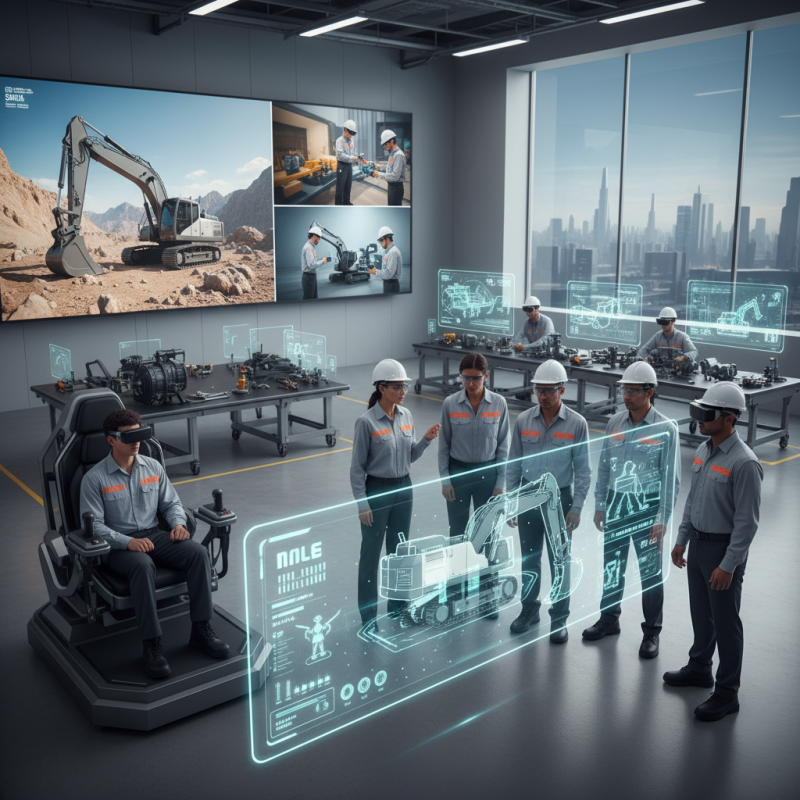
How to Train Operators for Safe Equipment Use in 2026?

Understanding the Importance of Safety Training for Equipment Operators

Safety training for equipment operators is crucial in 2026. The risks associated with operating heavy machinery are significant. Proper training helps to mitigate these dangers. It instills a culture of safety and responsibility. Operators must understand the equipment's mechanics and the potential hazards. This knowledge directly affects their performance and safety on the job.

Tips for effective training:

1. Emphasize hands-on experience. Operators learn best by operating equipment under supervision. Real-life scenarios allow them to grasp safety protocols better.

2. Regular safety drills keep safety top of mind. Simulating emergency situations prepares operators for the unexpected. This practice can potentially reduce accidents on the job.

3. Implement feedback sessions. Discussing near-misses or unsafe practices fosters a culture of continuous improvement. Operators can voice concerns, and trainers can adjust programs accordingly.

Consistency in safety training is essential. Operators should undergo refresher courses regularly. Even experienced personnel may forget safety protocols over time. Encouraging questions and open discussions can lead to better retention and understanding of safety practices. Addressing gaps in knowledge is vital for maintaining a safe workplace for everyone.

Identifying Key Skills and Knowledge Areas for Effective Training

In 2026, training operators for safe equipment use will be essential. A recent study by the National Safety Council highlighted that nearly 50% of workplace accidents involve improperly trained operators. This statistic alone underlines the need for effective training programs geared toward essential skills and knowledge areas.

To address this gap, operators must master key competencies. Equipment handling, safety protocols, and emergency response are non-negotiable. Additionally, studies suggest that interactive training methods enhance retention rates by 35%. Virtual reality simulations can create realistic experiences, allowing operators to practice skills safely. Such approaches promote confidence and ensure operators are prepared for real-world scenarios.

Critical thinking skills are often overlooked in training programs. Operators should learn to assess risks and make quick decisions. A survey from the Occupational Safety and Health Administration indicates that organizations prioritizing critical thinking training report a 25% reduction in accidents. Continuous evaluation of training practices is vital. Companies need to adapt their programs based on feedback and emerging industry trends to ensure long-term safety.

Developing a Comprehensive Training Program for 2026

Training operators for safe equipment use in 2026 requires a comprehensive approach. A well-structured training program should encompass various learning methods, ensuring that operators gain practical experience alongside theoretical knowledge. Developing realistic simulations can enhance understanding of equipment operation. This hands-on approach integrates safety principles with real-world scenarios.

Tips: Regularly revisit training materials. This helps reinforce knowledge and highlights areas needing improvement. Engage operators in discussions about safety challenges they face. Gathering their insights can inform better training practices.

Creating accessible resources is crucial. Digital platforms can host videos, manuals, and quizzes that are easy to refer to at any time. Regular refreshers ensure that skills remain sharp. However, overloading operators with too much information can lead to confusion. Balance is essential for effective learning.

Feedback loops can drive improvement. Encourage operators to share their experiences. This encourages a culture of safety and accountability. Training is an evolving process. Continual assessment reveals gaps and strengths, enabling adjustments that better equip operators.

Utilizing Technology and Simulation Tools for Operator Training

Technology is reshaping operator training, especially in the equipment sector. By 2026, more organizations will turn to simulation tools to enhance safety and efficiency. According to a recent industry report, companies using simulated training programs see a 30% reduction in accidents. This reflects the powerful impact of immersive learning experiences.

Simulation tools allow operators to practice in a controlled environment. They can encounter various scenarios without real-world risks. Virtual reality (VR) and augmented reality (AR) are game changers. They immerse trainees in realistic settings, making learning engaging. Studies show that VR improves retention rates by up to 30%. Operators can make mistakes, learn, and adapt—without jeopardizing safety.

Tips for Effective Training:
1. Introduce realistic challenges that reflect actual job tasks.
2. Use data analytics to assess trainee performance. Adjust scenarios based on individual needs.
3. Foster a culture of feedback. Encouraging discussion on mistakes can improve understanding and retention.

While technology offers significant advantages, it’s crucial to continually refine training methods. Focusing too much on simulation can overlook basic operational skills. Balance technology with hands-on experiences to create well-rounded operators. The goal is to empower, not replace, human judgment.

Evaluating Training Effectiveness and Continuous Improvement Strategies

In 2026, effective training for operators is crucial for safe equipment use. To enhance training effectiveness, continuous evaluation is key. Gathering feedback from operators post-training provides insightful data. Conduct regular assessments to measure knowledge retention and apply real-world scenarios. This practice helps identify gaps in understanding and creates a safer work environment.

Tips: Include hands-on demonstrations in training sessions. These practical experiences help solidify the concepts in operators' minds. Frequent revisiting of training materials can also reinforce knowledge retention.

Monitoring operator performance regularly allows for timely updates to training protocols. Observing operators in action will indicate areas needing improvement. Document these observations and adjust training programs accordingly. Involving operators in discussions about their training experiences can foster a culture of continuous improvement and ownership of safety practices.

Tips: Create a feedback loop where operators can voice concerns or suggestions. This approach not only builds trust but also enriches the training framework. The goal is to adapt and evolve training methods to meet the changing demands of equipment and work environments.

Training Effectiveness in Equipment Use (2026)

FAQS

: Why is effective training critical for equipment operators?

: Almost 50% of workplace accidents involve improperly trained operators. Effective training can reduce this risk significantly.

What key competencies should operators master?

Operators must master equipment handling, safety protocols, and emergency response.

How do interactive training methods improve retention?

Studies show that interactive methods can enhance retention rates by 35%, making learning more effective.

What role does technology play in training?

Technology, especially simulation tools, allows operators to practice safely in a controlled environment.

How do virtual and augmented reality contribute to training?

VR and AR create realistic settings that engage trainees and improve retention rates by up to 30%.

Why is critical thinking important in operator training?

Critical thinking helps operators assess risks and make quick decisions, reducing accidents by 25% when prioritized.

What are effective training tips for operators?

Introduce realistic challenges, use data analytics for performance assessment, and foster a culture of feedback.

Can focusing too much on technology be a problem?

Yes, over-relying on simulation may neglect basic operational skills and human judgment.

How should companies evaluate training programs?

Continuous evaluation based on feedback and trends is essential for adapting training practices.

What is the ultimate goal of operator training?

The goal is to empower operators with skills, not to replace their judgment with technology.

Conclusion

The article titled "How to Train Operators for Safe Equipment Use in 2026" emphasizes the critical importance of safety training for equipment operators to ensure a secure working environment. It outlines essential skills and knowledge areas that operators must master, such as understanding equipment functionality, safety protocols, and emergency procedures. A comprehensive training program tailored for 2026 is discussed, which highlights the incorporation of technology and simulation tools to enhance learning and real-life readiness.

Furthermore, the article stresses the need for evaluating training effectiveness through assessments and feedback mechanisms, fostering continuous improvement strategies to adapt to evolving safety standards. Ultimately, understanding how to train operators for safe equipment use not only boosts operational efficiency but also significantly reduces the risk of accidents in the workplace.

Charlotte

Charlotte

Charlotte is a seasoned marketing professional with a deep understanding of the company's portfolio and a passion for elevating its presence in the market. With a keen eye for detail and a commitment to excellence, she ensures that our professional blog is regularly updated with insightful articles......