In today’s fast-paced supply chain landscape, knowing how to increase picking efficiency in warehouses is crucial. Effective picking processes significantly impact operational costs and customer satisfaction. Many warehouses struggle to maintain efficiency due to outdated methods and lack of training. By evaluating current practices, organizations can pinpoint areas for improvement.
Investing in technology plays a vital role in enhancing picking efficiency. Automated systems and real-time inventory tracking can streamline operations. However, integration is not always easy. Workers may resist change or lack proper training, causing inefficiencies. It’s essential to approach technology adoption strategically and ensure staff is adequately prepared.
Furthermore, the physical layout of a warehouse affects picking speed and accuracy. Cluttered spaces lead to errors and wasted time. Making small changes, like reorganizing stock or optimizing picking routes, can yield significant results. Taking the time to evaluate these factors will help warehouses thrive in a competitive environment. Embracing continuous improvement will ultimately lead to better efficiency and increased profitability.
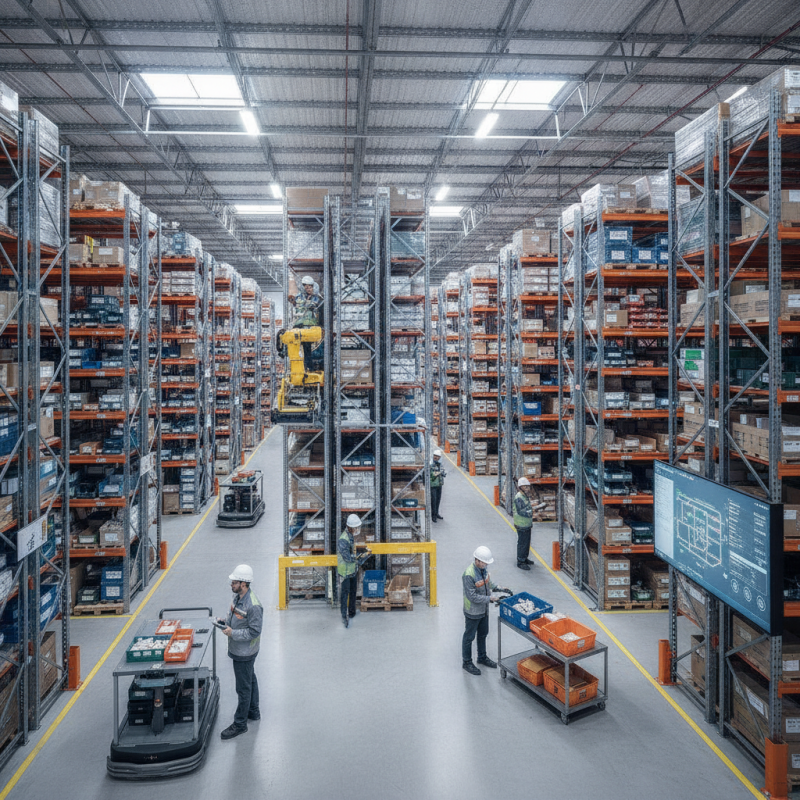
Optimizing warehouse layout is crucial for enhancing picking speed. A well-designed layout reduces travel time and boosts overall efficiency. Start by analyzing product demand. Place fast-moving items closer to the packing area. This arrangement minimizes walking distance and accelerates order fulfillment.
Visualize your space. Create clearly marked aisles and designated zones for different product categories. Clear signage guides pickers effectively, reducing confusion.
Consider implementing a zone picking strategy. Assign specific areas for different teams. This method can streamline the picking process and improve communication among workers. Evaluate your shelving systems, too. Use adjustable shelving to accommodate various product sizes. This flexibility helps in maximizing storage space. It also simplifies inventory management.
Regularly assess your layout. Look for bottlenecks causing delays. Sometimes, what worked yesterday may not fit today’s demands. Gather feedback from your team. They can provide insights on practical challenges. Embrace change and adapt your strategies. Continuous improvement is key to maintaining efficiency in a dynamic environment.
Robotics and automation are transforming warehouse picking operations worldwide. According to a report by McKinsey, companies utilizing advanced technologies can increase productivity by 20-30%. Automated systems streamline processes, reduce human error, and improve order accuracy. Implementing these technologies can help companies stay competitive in a rapidly evolving market.
One critical tip is to assess existing workflows and identify bottlenecks. Many warehouses face challenges with outdated picking methods. Real-time data monitoring through IoT devices can provide insights into efficiencies and inefficiencies. Smart robots can assist human workers by handling repetitive tasks, allowing them to focus on more complex activities.
Investing in employee training is also essential. Workers must understand how to operate new technologies effectively. A 2021 study highlighted that training can lead to a 50% improvement in operational efficiency. Balancing automation with a skilled workforce creates a productive environment. However, companies should reflect on how technology impacts employee satisfaction. Striking the right balance is crucial for long-term success in warehouse operations.
| Tip Number | Tip | Description | Technology Used |
|---|---|---|---|
| 1 | Optimize Layout | Arrange items based on picking frequency. | Warehouse Management System (WMS) |
| 2 | Use Automated Guided Vehicles | Automate transport of goods within the warehouse. | Robotics |
| 3 | Implement Voice Picking | Use voice commands to guide pickers. | Voice Recognition Technology |
| 4 | Barcode Scanning | Enhance accuracy and speed of order picking. | Barcode Scanners |
| 5 | Pick-to-Light Systems | Use light displays to indicate which items to pick. | Pick-to-Light Technology |
| 6 | Inventory Management Software | Keep track of stock levels in real-time. | WMS and Inventory Tracking Solutions |
| 7 | Regular Training Programs | Improve staff efficiency through training. | Training Software |
| 8 | Real-time Data Analytics | Analyze operations to identify bottlenecks. | Data Analytics Tools |
| 9 | Collaborative Robots | Enhance productivity by working alongside human workers. | Cobots |
| 10 | Mobile Computing Devices | Equip staff with devices for real-time communication. | Tablets and Smartphones |
Efficient inventory management is essential for reducing picking errors in warehouses. Accurate stock tracking is a foundational practice. Misplaced items can lead to delays in order fulfillment. Implement regular audits to ensure products are in the correct locations. Use a systematic approach to decrease inaccuracies.
Labeling items clearly can also streamline the picking process. Clear, readable labels reduce confusion and speed up searches. Train staff to understand labeling systems thoroughly. Mistakes often arise from unclear signs or poor training. Regular refresher courses can help maintain accuracy.
Consider implementing technology to enhance efficiency. Barcode scanning or RFID systems can significantly reduce human error. However, remember that reliance on technology should not replace training. Employees must understand both the tools and the inventory. Continuous improvement in processes is key. Always seek feedback from the team to identify areas for enhancement.
Warehouse picking strategies can greatly influence efficiency. Two popular methods are batch picking and zone picking. Each has its strengths and weaknesses.
Batch picking involves consolidating orders. Workers pick multiple items for several orders in one trip. This approach saves time by reducing travel distance. However, it requires good organization and clear communication. Mismanaged batch picks can lead to errors.
Zone picking assigns specific areas to individual workers. Each worker is responsible for picking items only from their designated zone. This method simplifies the process and can improve accuracy. Yet, it may slow down operations during peak times. Workers wait for others to finish their picks. Analyzing these methods helps find the best fit for specific warehouse needs.
Training and workforce management are critical for improving warehouse picking efficiency. A well-trained workforce can drastically reduce errors. Staff members need to understand the picking process in detail. Regular training sessions should focus on techniques for accurate item retrieval. Using simulations may prove beneficial. They help workers visualize tasks and practice without real-world pressure.
Workforce management also involves understanding staff strengths and weaknesses. A manager should assess individual skills and preferences. Assigning roles that align with these strengths can enhance productivity. Occasionally, re-evaluating these assignments is necessary to adapt to evolving warehouse demands. Inefficiencies may arise if these assessments are neglected.
Feedback loops are essential. Regular check-ins allow employees to express challenges. Ignoring their input may hinder progress. Additionally, fostering a culture of open communication builds trust. Team members are more likely to share ideas that could refine the picking process. In this dynamic environment, both training and management play pivotal roles in achieving remarkable efficiency.
: Robotics can increase warehouse productivity by 20-30%. It streamlines processes and reduces human error.
Identifying bottlenecks helps improve efficiency. Many warehouses struggle with outdated picking methods.
IoT devices provide insights on efficiencies. They help monitor performance and identify issues promptly.
Batch picking consolidates orders for efficiency. It reduces travel distance, saving time during the picking process.
Mismanaged batch picks can cause errors. Clear communication is essential to make it work effectively.
Zone picking assigns specific areas to workers. Each worker picks items only from their designated zone.
It may slow operations during peak times. Workers might wait for others to complete their picks.
Training leads to improved operational efficiency. Well-trained staff can significantly reduce errors in picking.
Regular check-ins allow employees to express challenges. Ignoring their input can hinder efficiency and progress.
Managers should evaluate individual strengths and preferences. Misaligned roles can lead to inefficiencies over time.
To effectively address how to increase picking efficiency in warehouses, organizations should consider optimizing their warehouse layout to facilitate faster picking speeds. A strategic layout minimizes travel time and makes it easier for pickers to locate items quickly. Incorporating advanced technologies, such as robotics and automation, can further enhance efficiency by reducing manual labor and improving accuracy in the picking process.
Additionally, best practices for inventory management play a crucial role in minimizing picking errors, ensuring that the right items are selected and delivered promptly. Streamlining picking processes by analyzing techniques like batch picking versus zone picking allows businesses to identify the most effective methods for their specific operations. Finally, investing in training and workforce management fosters a skilled labor force, ultimately increasing overall picking efficiency in warehouses.

IDD Motion