Purchasing warehouse equipment is a critical decision for any business. Understanding what factors to consider when buying warehouse equipment can greatly impact efficiency and cost-effectiveness. Different types of equipment like forklifts, shelving units, and pallet jacks serve unique purposes. Each piece plays a vital role in streamlining operations within a warehouse environment.
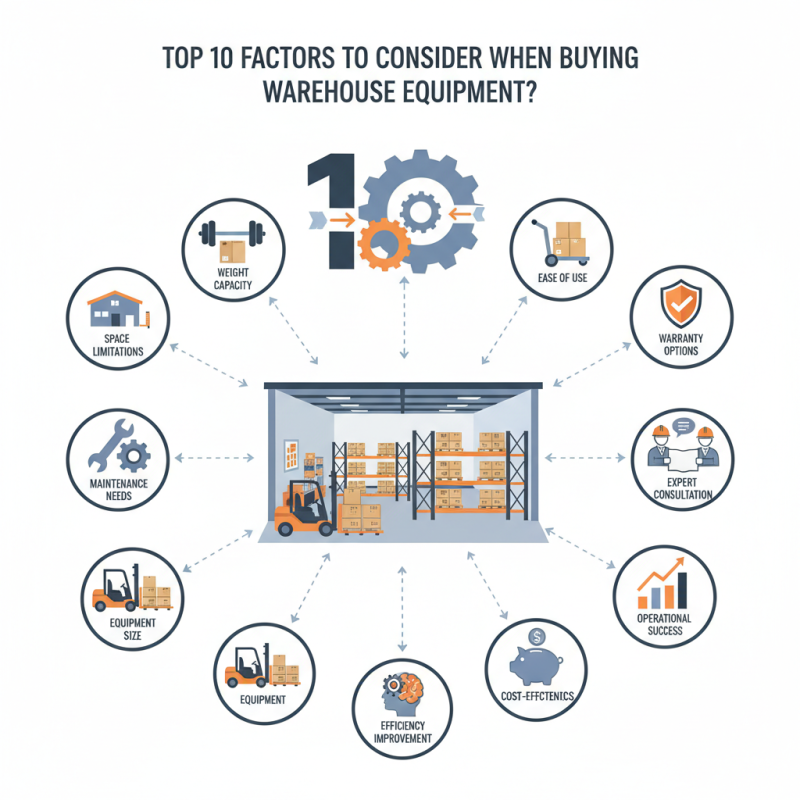
When evaluating warehouse equipment, think about space limitations, weight capacity, and ease of use. Additionally, maintenance needs and warranty options should not be overlooked. It's important to consult with experts or suppliers who understand the intricacies of warehouse operations. Their insights can reveal essential details that might otherwise be missed.
In the pursuit of efficiency, it's easy to overlook some important factors. For instance, choosing the wrong size equipment can lead to wasted space or increased manual handling. Reflecting on these considerations can help ensure a more thoughtful investment. Investing in the right equipment maximizes productivity and minimizes errors. Ultimately, your choice can define your operational success.
When considering warehouse equipment, it is essential to understand your specific needs. Each warehouse has unique requirements based on its size, layout, and the types of goods it handles. Take time to assess what equipment will maximize efficiency. Analyze your inventory turnover rate and storage demands. This ensures you invest in the right tools.
Another important aspect is the space configuration of your warehouse. A narrow aisle setup may require specialized vehicles. Regular forklifts might not be suitable in such settings. Think about the flow of goods. Will the equipment help streamline operations or create bottlenecks? Observing current workflows can reveal gaps that need addressing.
Budget constraints are also a reality for many warehouses. Costs vary greatly based on equipment type and technology. It's tempting to go for cheaper options, but evaluate their long-term impact. Sometimes, investing a little more can lead to better performance and reliability. Reflect on what your team requires for a safe and efficient work environment. Prioritize their needs and feedback during the decision-making process.
When evaluating the types of warehouse equipment needed, start with the specific requirements of your operations. Consider the volume of goods you handle and their dimensions. This information will help identify whether you need forklifts, pallet jacks, or conveyor systems. Each type of equipment has its strengths and limitations, which should be understood before making a decision.
Investing in automated systems can increase efficiency. However, automation may not be suitable for all operations. It’s essential to assess the training requirements for your staff. Some employees may need more time to adapt to new technology. This could create short-term disruptions. Keep this in mind when planning for upgrades.
Tips: Evaluate your current workflow to identify bottlenecks. A small change in equipment can lead to significant gains. Regularly reassess your equipment’s performance. This reflection will ensure that your warehouse remains efficient as operations evolve. Your ultimate goal should be to balance cost and functionality.
When purchasing warehouse equipment, budget constraints play a vital role. Establishing a clear budget helps in narrowing down options effectively. It's crucial to differentiate between essential and non-essential items.
Prioritizing needs will ensure that funds are allocated wisely.
Financial considerations often extend beyond the initial purchase price. Maintenance costs, energy efficiency, and potential improvements should be factored in. Some equipment might seem affordable upfront but can incur high operating costs over time. It's worth reflecting on the long-term implications while making a decision.
Additionally, consider potential financing options. Leasing equipment might be a practical alternative for some businesses. This approach can alleviate initial financial pressure and allow for more flexibility. However, evaluating the total cost across the lease duration is necessary. Miscalculating these elements can result in budget overruns. In the end, understanding both immediate and future financial impacts is essential for a successful purchase.
When investing in warehouse equipment, durability and maintenance requirements are crucial factors. Equipment should withstand the rigorous demands of a warehouse environment. According to a report by the Occupational Safety and Health Administration (OSHA), poorly maintained equipment leads to accidents and inefficiencies, with maintenance costs taking up to 30% of the total operational budget. Hence, choosing durable equipment can substantially reduce these costs.
It’s essential to evaluate the materials used in the construction of the equipment. For instance, steel components often offer better longevity than plastic alternatives. Routine inspections are necessary. Failing to conduct regular maintenance checks can result in unexpected breakdowns, costing more than just the repair. Investing in tools with clearly outlined maintenance schedules can save time and money in the long run.
Tips: Consider the total cost of ownership, including maintenance. Look for equipment that offers ease of service and requires fewer parts replacements. Research industry reports to gauge the average lifespan of the equipment you’re considering. This insight can guide purchasing decisions.
| Factor | Description | Durability Rating (1-10) | Maintenance Frequency (Days) |
|---|---|---|---|
| Load Capacity | The maximum weight the equipment can safely handle. | 9 | 90 |
| Ergonomics | Design that maximizes safety and comfort for operators. | 8 | 60 |
| Energy Efficiency | How much power the equipment consumes during operation. | 7 | 120 |
| Mobility | The ease with which the equipment can be moved or relocated. | 6 | 180 |
| Safety Features | Built-in safety mechanisms to protect users. | 9 | 90 |
| Cost of Ownership | Total cost including purchase, maintenance, and operation. | 7 | 365 |
| Durability | Ability to withstand wear, pressure, or damage. | 10 | 240 |
| Technology Integration | Compatibility with existing warehouse management systems. | 8 | 180 |
| Warranty & Support | Coverage for repairs and replacement during the warranty period. | 9 | 30 |
| Manufacturer Reputation | History of reliability and product performance. | 8 | N/A |
When purchasing warehouse equipment, researching supplier reputation is essential. A reliable supplier can mean lower risks and better service. Check online reviews and ratings to gauge past performance. Look for testimonials that speak to customer satisfaction. This can reveal a lot about how they treat their clients. Don't hesitate to ask for references. Trustworthy suppliers usually have no issue providing them.
Customer support services are equally important. Quick and efficient support can save you downtime. Ask about response times for inquiries or issues. Will you have access to a dedicated support team? It's crucial to know how they handle maintenance and repairs. Evaluate their availability. Some may only offer service during normal business hours. Consider a supplier that provides 24/7 support for added security.
Tip: Always verify warranty options thoroughly. Warranties can differ significantly among suppliers. Understanding these can help you avoid unexpected costs. Choose a supplier that provides clear terms and conditions. It’s also wise to ask about training for equipment use. Proper training can minimize accidents and increase efficiency, which is beneficial for all parties involved.
: Start with your specific operational requirements, volume of goods, and their dimensions.
They can enhance efficiency, but not all operations are suited for automation.
Staff may need time to adapt, leading to short-term disruptions in operations.
Regularly assess your current processes and look for areas where efficiency drops.
Durable equipment can withstand harsh environments and minimize unexpected breakdowns.
They can account for up to 30% of total operational budgets due to accidents and inefficiencies.
Steel components usually last longer than plastic alternatives, making them a better choice.
They help prevent costly breakdowns and ensure equipment runs smoothly.
Equipment with clear maintenance guidelines can save time and reduce repair costs.
Reflect on your equipment performance regularly to make informed upgrades while minimizing expenses.
When considering what factors to consider when buying warehouse equipment, it’s essential to first understand the specific needs of your warehouse. This involves evaluating the types of equipment necessary for your operations, which can vary widely based on the nature of your goods and workflow. Additionally, assessing budget constraints is crucial, as financial considerations will dictate the options available to you.
Another important factor is the durability and maintenance requirements of the equipment. Choosing durable equipment can lead to lower long-term costs and reduced downtime. Finally, researching the reputation of suppliers and the quality of their customer support services can greatly impact your overall satisfaction and efficiency in using the equipment. By carefully considering these factors, you can make informed decisions that will enhance your warehouse operations.

IDD Motion