Safe equipment use training prepares operators to control machinery with skill, caution, and sound judgment. It covers more than switches, buttons, and operating sequences. Effective instruction connects manufacturer guidance, workplace procedures, hazard awareness, and hands-on practice. The goal is simple: operators should recognize risk before a small mistake becomes an injury, damaged product, or costly shutdown.
A strong program explains how to inspect equipment before use. Operators may check guards, cables, fluid levels, warning lights, and emergency stops. They should also understand load limits, changing site conditions, and required personal protective equipment. Trainers can demonstrate correct actions, then observe each operator performing them. Questions matter. So does feedback. This is where organizations learn how to train operators for safe equipment use in practical, measurable ways.
Written procedures support consistency, but they cannot replace experience under supervision. A competent trainer should explain why each step matters, not merely demand memorization. Refresher training may be necessary after equipment changes, incidents, long absences, or observed unsafe habits. Records can show attendance, assessment results, and authorization status. Yet paperwork alone proves little. No program is perfect. A checklist may miss hurried decisions during a noisy shift or poor visibility. Regular observations, honest reporting, and thoughtful review help close those gaps. When safety leaders combine reliable evidence with real workplace experience, training becomes a daily control rather than a one-time formality.
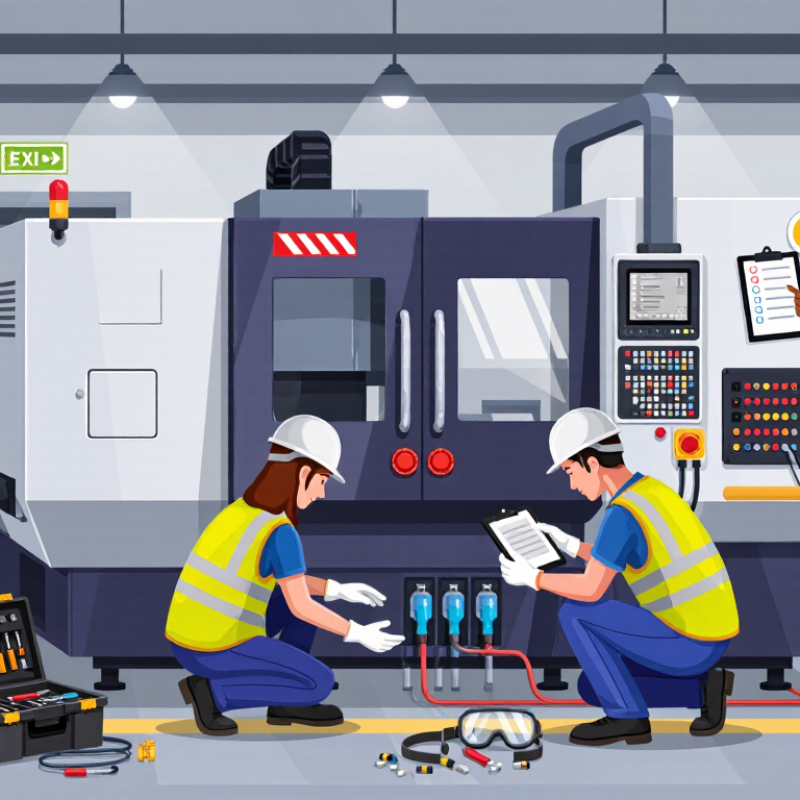
Safe equipment use training teaches operators how to control machinery, identify hazards, and respond before a small error becomes an injury. Its purpose is practical: connect written procedures with real decisions made beside moving parts, hot surfaces, loads, and blind corners. Effective training covers pre-use inspections, operating limits, emergency stops, isolation steps, and clear communication with nearby workers.
The International Labour Organization estimated nearly three million work-related deaths and 395 million non-fatal injuries worldwide in 2023. These figures show why equipment instruction must be specific, repeated, and verified. A trainee should inspect a damaged cable, test the emergency stop, and explain why unstable ground changes the lifting plan. Practice exposes gaps.
A certificate alone is not proof of competence. Supervisors should observe operators during normal work, after equipment changes, and following a near miss. The UK Health and Safety Executive reported 561,000 workplace injuries in 2023/24. Training cannot remove every risk, but it can strengthen judgment when conditions change. That part is often neglected. Good programs also invite questions, record reassessment dates, and allow workers to pause unsafe tasks without pressure. Mistakes should be reviewed honestly, not hidden, because a quiet training record may still conceal weak understanding.
Safe equipment use training should cover more than the person holding the controls. New operators need basic instruction, supervised practice, and a documented skills check. Experienced workers also need refresher training after incidents, equipment changes, or long periods away from the task. Temporary staff, maintenance workers, spotters, and supervisors may require role-specific guidance. A supervisor who enters a lifting zone needs to understand signals, blind spots, and exclusion areas.
The equipment list should match real workplace conditions. Common examples include forklifts, pallet jacks, cranes, hoists, aerial work platforms, loaders, conveyors, and compactors. Training should address startup checks, control functions, safe capacity, visibility limits, and shutdown procedures. Operators can practice on a marked route with empty pallets, uneven surfaces, and changing loads.
Good instruction combines classroom explanation with hands-on evaluation. The trainer should watch how an operator checks brakes, reads a load chart, positions the machine, and responds to an unexpected obstruction. A signed form alone is weak evidence of competence. I have seen workers pass a short test yet hesitate during a real maneuver. That gap deserves attention, not blame. Training records should identify the equipment, operator, date, trainer, and observed tasks. Procedures also need review when attachments, work areas, or operating conditions change.
What Is Safe Equipment Use Training for Operators?
Core Skills Taught in Operator Safety Training
Safe equipment use training teaches operators how to control risks before, during, and after each task. Effective programs combine classroom instruction with supervised practice. Operators learn equipment functions, operating limits, warning signals, and required protective equipment. They also study workplace traffic routes, surface conditions, visibility concerns, and nearby hazards.
Pre-use inspection is a central skill. Operators check tires, guards, controls, fluid leaks, attachments, alarms, and emergency devices. They record defects clearly and remove unsafe equipment from service. During operation, training covers stable positioning, controlled movement, load handling, and safe distances from people. Communication matters too. Hand signals, radios, and eye contact can prevent confusion around busy work areas.
Emergency response receives practical attention. Operators practice stopping equipment, lowering suspended loads, isolating energy, and reporting incidents. They learn not to improvise when a warning appears. Stop means stop. Competent instructors observe real tasks and correct habits immediately, rather than relying only on written tests. A useful assessment includes planned exercises, unexpected but controlled conditions, and direct questions about judgment.
Good training is never completely finished. Experienced operators can still rush an inspection or misread a changing surface. That uncomfortable truth deserves attention. Refresher sessions should examine near misses, maintenance findings, and operator feedback. Records should identify who trained, what was practiced, and which skills still need improvement.
Safe equipment use training should combine instruction, demonstration, and supervised practice. A short classroom session cannot prepare an operator for a wet ramp, blocked aisle, or unstable load. Effective programs explain operating limits, inspection points, load charts, warning signals, and emergency actions. Practical exercises should mirror the real workplace.
Practice must look real.
Assessment needs more than a written quiz. A qualified evaluator should watch the operator complete a pre-use inspection, start and stop smoothly, maintain visibility, control speed, position loads, and park safely. OSHA’s powered industrial truck standard requires formal instruction, practical training, and workplace evaluation. It also requires operator performance to be reviewed at least every three years, or sooner after unsafe behavior, an incident, equipment changes, or workplace changes. The National Safety Council’s Injury Facts reports that preventable workplace deaths remain a serious concern, making observation-based assessment essential.
Qualification should be equipment-specific and documented. Records should identify the operator, equipment type, training date, evaluator, and approval status. Refresher training should target observed weaknesses, not repeat every topic automatically. That is where many programs fall short. A signed form proves attendance, not competence. Supervisors should verify performance during normal shifts, including rushed periods and poor visibility. Some operators may pass a calm assessment yet struggle under pressure. That gap deserves honest review.
Training is never perfectly finished.
What Is Safe Equipment Use Training for Operators?
Maintaining Competence Through Refresher Training and Workplace Practice
Safe equipment use training does not end after an operator passes an initial course. Skills can weaken when equipment changes, tasks become routine, or work pauses for several months. Refresher training keeps procedures familiar and exposes unsafe habits before they become incidents. A competent trainer should combine demonstrations, clear instructions, and practical assessment.
Workplace practice makes training realistic. An operator may need to inspect guards, check controls, test emergency stops, and identify unusual sounds. Training should reflect the actual work area, including narrow aisles, poor lighting, changing loads, and communication problems. Short coaching sessions during normal shifts can reveal gaps that a classroom session misses. One honest observation matters.
Tips: Schedule refreshers after long absences, equipment changes, or repeated mistakes. Ask operators to explain each inspection step aloud. Use a simple checklist, then review missed items without blame. Supervisors should observe from a safe position and record specific behaviors. Do not treat attendance as proof of competence. A signed form cannot show whether someone can respond correctly under pressure. Practice should include controlled faults, clear stop-work authority, and time for questions. Some teams may resist repeating familiar tasks, but that resistance deserves attention rather than dismissal. Reliable training improves when workers can report confusion, near misses, and unclear instructions without fear.
It teaches operators to inspect, control, and stop equipment safely. It connects written procedures with real workplace decisions.
Classroom lessons cannot recreate every wet ramp, blocked aisle, or unstable load. Practice reveals gaps before work becomes dangerous.
They should inspect guards, cables, controls, warning signals, and emergency stops. They should also check ground conditions and nearby people.
A qualified evaluator should watch real tasks. The operator should inspect, start, stop, steer, position loads, and park safely.
No. A certificate shows participation, not reliable performance. Observation during normal work matters more.
Schedule it after long absences, equipment changes, repeated mistakes, incidents, or workplace changes. Review it sooner when judgment weakens.
Records should identify the operator, equipment type, training date, evaluator, and approval status. Missing details can weaken later reviews.
They should observe from a safe position and record specific behaviors. Ask operators to explain inspection steps aloud.
Yes. Practice emergency stops, controlled faults, isolation steps, and clear communication. Keep exercises controlled.
No. It strengthens judgment when conditions change, but hazards can remain. That limitation deserves honest review.
Safe equipment use training prepares operators to perform their duties confidently, consistently, and without unnecessary risk. It explains the purpose of safe operation, identifies which workers require training, and covers equipment such as powered machinery, lifting devices, vehicles, and specialized workplace tools. The program should teach operators how to inspect equipment, recognize hazards, use controls correctly, follow operating procedures, respond to abnormal conditions, and select appropriate personal protective equipment. It should also clarify the limits of operator responsibility and when assistance is required.
A practical approach to how to train operators for safe equipment use combines clear instruction, demonstrations, supervised practice, and realistic assessments. Operators should show that they can complete key tasks safely before being qualified to work independently. Training records should document participation, results, and authorization. Competence must be maintained through refresher training, coaching, routine workplace observation, and additional instruction whenever equipment, procedures, or job conditions change. This ongoing process supports safe habits and helps prevent avoidable incidents.

IDD Motion