10 Ways Robotics Transform Warehouse Management Efficiency?

Time:2026-06-19 Author:Aria
0%

In today's fast-paced world, businesses strive for optimal efficiency in warehouse management. One emerging solution is robotics, which is rapidly transforming the industry. But what is the role of robotics in warehouse management? The integration of automated systems can significantly enhance productivity and reduce operational costs.

Modern warehouses increasingly depend on robotic technologies. These systems handle repetitive tasks like sorting, packing, and inventory tracking at speeds unattainable by human workers. Such enhancements lead to faster order fulfillment and improved accuracy. However, the reliance on robotics also poses challenges. Companies must consider the initial investment and ongoing maintenance costs.

Warehouse managers must adopt a thoughtful approach when implementing robotics. Understanding the specific needs of their operations is crucial. As technology evolves, on-the-job training for staff becomes essential. Balancing human oversight and robotic efficiency is vital for long-term success. Thus, the conversation shifts toward how to harmonize these elements effectively.
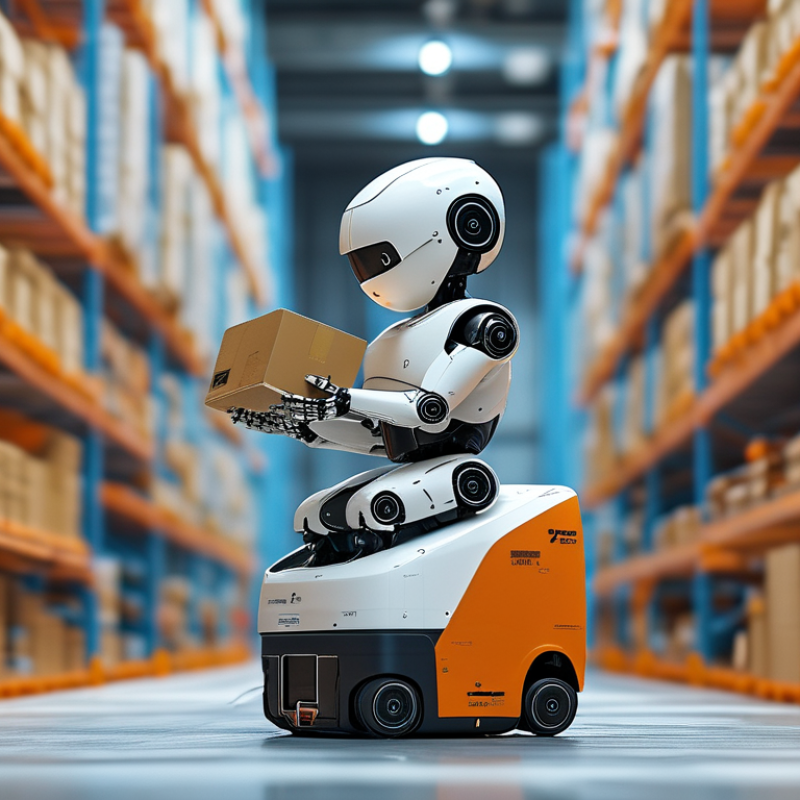
10 Ways Robotics Transform Warehouse Management Efficiency?

The Role of Robotics in Streamlining Warehouse Operations

The use of robotics in warehouse operations is changing the game. Robots can handle repetitive tasks, reducing labor costs and increasing speed.
They excel at sorting, packing, and moving goods efficiently. For example, robotic arms can pick items from shelves and place them in packing areas. This minimizes human error and fatigue.

Robotics also enhance inventory management. They help track stock levels in real-time, reducing the risk of errors. This technology can alert managers when items run low. However, full integration of robotics isn’t always seamless. Workers may need training to interact safely with machines. There can be resistance to change from team members accustomed to traditional methods.

Moreover, while robotics improve efficiency, they raise questions about job displacement. It's essential to find a balance. Companies must consider how to upskill employees as technology advances. Robotics in warehouses is a solution, but it requires careful implementation. It’s a journey that demands ongoing adjustments and reflection.

Automation of Inventory Management through Robotics

The automation of inventory management through robotics significantly enhances warehouse efficiency. Robotics can streamline the processes of tracking items and managing stock levels. Automated systems gather real-time data, improving accuracy in inventory counts. This means fewer errors and faster operations.

In a typical warehouse setup, robotics can navigate aisles and retrieve items independently. Without human intervention, these robots can sort, store, and move products efficiently. That leads to a reduction in human labor costs and fewer accidents. However, reliance on technology can also introduce risks, such as system failures or cybersecurity threats.

Furthermore, integrating robotics can disrupt existing workflows. Employees may struggle to adapt to new systems, causing temporary inefficiencies. Training staff to work alongside robots presents a challenge. There is always a need for human oversight in automated processes. Balancing robotics with human skills is essential to maximize improvements in inventory management.

Enhancing Order Picking Processes with Robotic Systems

Robotic systems are revolutionizing order picking processes in warehouses. These systems enhance accuracy and speed, crucial traits in today's fast-paced logistics. By integrating robots, warehouses can reduce human error and optimize inventory management. Many operations are now using autonomous mobile robots and conveyor systems to streamline the picking process.

These robotic systems autonomously navigate storage areas. They pick items based on data from an integrated inventory management system. This method reduces the time workers spend searching for products. However, the reliance on automation raises questions. What happens when robots encounter unexpected obstacles? Training still plays an essential role in ensuring smooth operations.

Yet, robots can struggle with complex situations. For instance, differentiating between similar-looking products can be challenging. There is also a learning curve for warehouse staff adapting to new technology. Robotics holds great potential, yet perfect integration requires constant refinement and collaboration between humans and machines.

10 Ways Robotics Transform Warehouse Management Efficiency

Improving Safety and Reducing Errors in Warehouses via Robotics

Robotics is reshaping warehouse management by significantly improving safety and reducing errors. Automation can decrease workplace injuries by up to 40%, as robots take over strenuous tasks. This relieves human workers from dangerous activities, thus promoting a safer environment. A report from the Warehouse Safety Association indicates that implementing robotics can lead to a substantial decline in accidents.

In addition to enhancing safety, robotics also minimizes human error. A study from the International Federation of Robotics highlights that automation reduces picking errors by 70%. Precision in inventory management becomes easier with robotic systems. They can follow programmed paths meticulously, ensuring consistent performance. However, transitioning to these technologies isn't without challenges. Training workers to interact effectively with robots can take considerable time. Businesses must also address concerns regarding job displacement.

Embracing robotics in warehouses can yield financial benefits as well. Research from the Logistics Management Group shows that companies experience a 20% reduction in operational costs post-implementation. The initial financial investment can seem daunting. Yet, the long-term gains—both in safety and efficiency—are substantial. Balancing the integration of robotics requires careful planning and ongoing assessment.

Integrating Robotics with Warehouse Management Software for Efficiency

Integrating robotics with warehouse management software can drastically improve efficiency. Robotics automates repetitive tasks, allowing humans to focus on more complex responsibilities. It ensures faster order processing and reduces human errors. However, this integration must be carefully designed to meet specific warehouse needs.

One crucial tip is to analyze your current workflows before implementation. This step helps identify which tasks can benefit the most from automation. Not every operation will see enhanced efficiency through robotics. Sometimes the simplest solutions yield the best results.

Another point to consider is training staff to work alongside robots. Workers might feel overwhelmed by new technology. Proper training ensures they use these systems effectively. Open communication about the technology can build trust. While robotics brings numerous advantages, addressing potential challenges early is essential.

10 Ways Robotics Transform Warehouse Management Efficiency

Aspect Description Efficiency Improvement (%)
Increased Picking Speed Robots can assist in picking items faster than manual methods. 30%
Reduced Labor Costs Automation minimizes the need for manual labor. 25%
Improved Inventory Accuracy Robotics systems can track items with high precision. 40%
Enhanced Safety Reduction of human error leading to fewer accidents. 50%
24/7 Operation Robotics can operate without breaks, increasing operational hours. 60%
Space Optimization Robots can navigate tighter spaces efficiently. 20%
Real-time Data Analytics Robotics integrated with software provide real-time insights. 35%
Productivity Tracking Monitor efficiencies and bottlenecks in the workflow. 45%
Scalability Easily adjust operations to meet changing demand. 70%
Customer Satisfaction Faster delivery times lead to improved customer experience. 55%

FAQS

: How do robotic systems improve order picking in warehouses?

: They enhance accuracy and speed, reducing human error and optimizing inventory management.

What do robotic systems rely on for item picking?

They use data from an integrated inventory management system to pick items.

What challenges can robots face during operations?

Robots may struggle with unexpected obstacles and complex situations, like similar-looking products.

How can warehouses prepare for robotic integration?

Analyze current workflows to identify tasks that can benefit from automation before implementing robotics.

Why is training important when using robots?

Proper training helps staff adapt to new technology, ensuring effective use of robotic systems.

What are some potential drawbacks of integrating robotics?

Not all operations will see improved efficiency, and simple solutions may sometimes work better.

How can communication help with robotic implementation?

Open communication can build trust and ease worker concerns about new technology and its use.

What is a common misconception about robotics in warehouses?

Many believe robotics will solve all issues, but successful integration requires constant refinement.

How can companies ensure successful collaboration between humans and robots?

They should focus on training and addressing challenges while emphasizing teamwork in operations.

What should companies keep in mind regarding automation?

Understanding that not every process suits automation is crucial; some tasks may need human involvement.

Conclusion

Robotics plays a pivotal role in warehouse management by significantly enhancing operational efficiency across various processes. One key aspect is the automation of inventory management, where robotic systems effectively track stock levels and streamline replenishment, minimizing human error and reducing labor costs. Additionally, robotics improves order picking processes by utilizing advanced technologies like automated guided vehicles, which increase speed and accuracy in fulfilling customer orders.

Furthermore, the integration of robotics with warehouse management software fosters real-time data exchange, allowing for smarter decision-making and better resource allocation. This seamless interaction not only boosts productivity but also enhances safety measures, as robotic systems can handle heavy lifting and repetitive tasks, minimizing the risk of workplace injuries. Overall, understanding what is the role of robotics in warehouse management highlights its transformative impact on efficiency, safety, and operational effectiveness.

Aria

Aria

Aria is a dedicated marketing professional with a deep passion for innovative strategies and a keen understanding of our company's product offerings. With a wealth of experience in the industry, Aria excels at crafting engaging content that highlights the unique features and benefits of our......