5 Reasons Why Ergonomic Design Matters in Warehouse Equipment?

Time:2026-07-02 Author:Madeline
0%

In today's fast-paced warehouses, the design of equipment plays a critical role in operational efficiency. Understanding why ergonomic design matters in warehouse equipment is essential for enhancing worker safety and productivity. Equipment that is designed with ergonomics in mind can significantly reduce the risk of injuries. It promotes better posture and minimizes strain on employees during their tasks.

Moreover, ergonomic designs can lead to higher job satisfaction. When workers feel comfortable using their tools, they are likely to perform better. Additionally, reducing the physical demands of warehouse tasks can help lower employee turnover, saving companies money in the long run. However, many warehouses still overlook this important aspect of design, leading to ongoing challenges in employee well-being and operational effectiveness.

As we delve deeper into this topic, we will explore five key reasons that illustrate the importance of ergonomic design in warehouse equipment. From improved efficiency to enhanced safety standards, these reasons highlight the profound impact of ergonomic choices in the workplace.
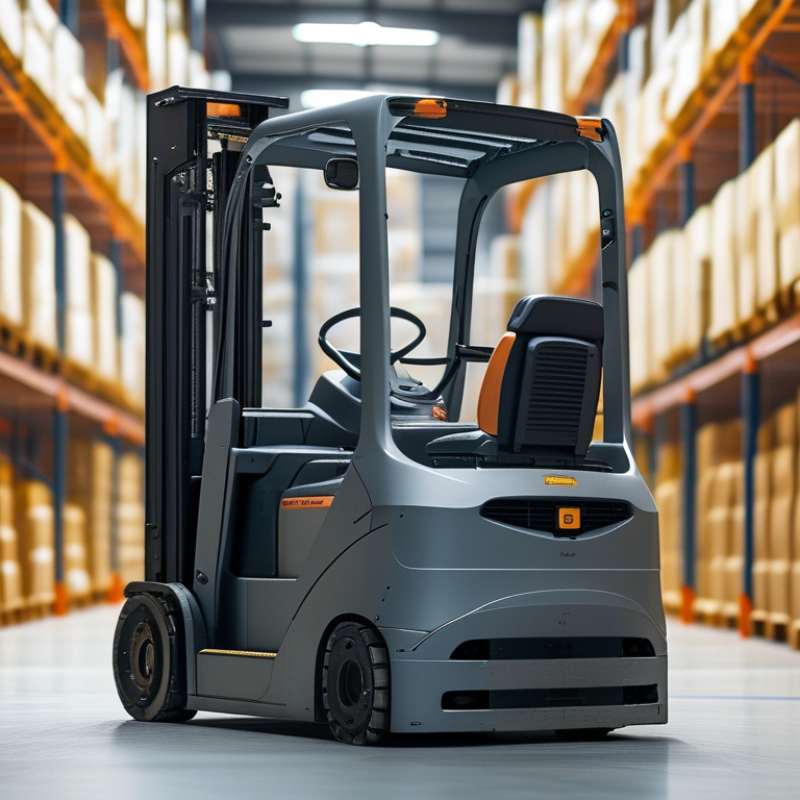
5 Reasons Why Ergonomic Design Matters in Warehouse Equipment?

Importance of Ergonomic Design in Enhancing Employee Comfort

Ergonomic design plays a crucial role in enhancing employee comfort in warehouse environments. Research shows that poor ergonomic practices can lead to musculoskeletal disorders, affecting over 30% of workers in logistics sectors. When equipment is designed with ergonomics in mind, employees report less fatigue and discomfort. For instance, properly designed lifting tools can reduce strain on the back and shoulders, significantly decreasing the risk of injury.

In addition, effective ergonomic design can boost overall productivity. According to a study by the Occupational Safety and Health Administration (OSHA), workplaces that prioritize ergonomic principles see a productivity increase of up to 25%. This is essential in warehouse settings where efficiency is key. Shifting to ergonomic equipment may require investment, yet the long-term benefits outweigh the costs.

Moreover, many warehouses still neglect ergonomic assessments. They often rely on outdated equipment, leading to high turnover rates. A survey indicated that 50% of employees cite discomfort as a reason for leaving their jobs. Addressing these issues actively can create a healthier, more engaged workforce. Investing in ergonomic design is not merely a trend; it’s an essential strategy for fostering employee well-being.

Reduction of Injury Risks Through Ergonomic Warehouse Equipment

Ergonomic design in warehouse equipment significantly reduces injury risks. Many workers face strains and musculoskeletal disorders from improper tools. For instance, lifting heavy items without proper support can lead to back injuries. Ergonomically designed equipment often includes features that promote natural body movement. This can minimize undue stress on joints and muscles.

Consider the role of adjustable shelving. When shelves are at the right height, workers don't have to bend or stretch excessively. This adjustment lowers the risk of injury. Moreover, tools like forklifts with ergonomic handles help reduce wrist strain. Workers can maneuver them effortlessly, leading to improved efficiency.

However, not all ergonomic solutions are perfect. Some designs may not suit every worker's needs. It’s crucial for companies to evaluate and adapt equipment based on employee feedback. Listening to the workforce can reveal unnoticed risks. Regular assessments can enhance safety and comfort in the workplace. Through thoughtful design and continuous improvement, the potential for injuries can be significantly lowered.

Boosting Productivity with Ergonomically Designed Tools

In today's fast-paced warehouses, ergonomically designed tools play a crucial role. They not only enhance comfort but also significantly boost productivity. Workers using ergonomic equipment report less fatigue and fewer injuries. By reducing discomfort, employees can focus better on their tasks, achieving more in less time.

Consider the impact of a well-designed picking cart. Features like adjustable handles and lightweight materials make a huge difference. Employees can maneuver easily, reducing strain on their bodies. This simple change can transform a routine task into a more efficient process. Many warehouses overlook these details, which can lead to higher injury rates and lower morale.

The importance of training cannot be overstated. Workers need to understand the benefits of using ergonomic tools. They must also learn the best practices for maintaining their health. Unfortunately, some may resist change, sticking to familiar but outdated methods. Awareness campaigns could help bridge this gap, encouraging a healthier work environment. The focus should always be on continuous improvement and worker well-being.

Improving Efficiency with User-Centric Equipment Design

Ergonomic design significantly enhances efficiency in warehouse operations. A report from the Human Factors and Ergonomics Society indicates that ergonomic equipment can boost productivity by up to 25%. This improvement results from reduced physical strain on workers and fewer workplace injuries. When equipment is designed with the user in mind, tasks become easier and faster.

Consider how design affects strain. If tools are heavy or poorly balanced, workers may struggle. Stress accumulates over time, leading to fatigue. A thoughtful design reduces this risk, promoting a healthier work environment. According to OSHA, 31% of workplace injuries are related to overexertion. Therefore, investing in ergonomic solutions can save costs on healthcare and training while enhancing employee morale and retention.

**Tip:** Evaluate current equipment for ergonomic features. Even small adjustments can lead to big differences.

Focusing on user-centric design isn't just about comfort; it's strategic. Companies that prioritize ergonomics often see significant returns on investment. By fostering an environment that supports physical well-being, organizations set the stage for improved overall performance.

**Tip:** Engage workers in the selection process of new equipment. Their insights can pinpoint specific needs and preferences.

5 Reasons Why Ergonomic Design Matters in Warehouse Equipment

Reason Description Impact on Efficiency
Reduced Injury Risk Minimizes strain and repetitive motion injuries for workers. Increased employee well-being and decreased absenteeism.
Improved Productivity Enhances speed and efficiency of task completion. Higher output and faster delivery times.
Enhanced Comfort Designs are tailored to fit user needs and physical capabilities. Increased worker satisfaction and morale.
Lower Costs Reduces the likelihood of workplace accidents and associated costs. Saves money on training and worker compensation claims.
Greater Employee Retention A focus on ergonomics makes a workplace more attractive to employees. Reduced turnover and improved team stability.

Long-Term Cost Savings from Ergonomic Investments in Warehouses

Investing in ergonomic designs for warehouse equipment can lead to significant long-term cost savings. According to a report by the Occupational Safety and Health Administration (OSHA), companies that prioritize ergonomics can reduce their workers' compensation costs by up to 40%. This is crucial, as injuries related to improper lifting or poor posture cost the U.S. economy nearly $13 billion annually.

Employers often overlook the hidden costs of employee fatigue and turnover. A recent study revealed that ergonomic interventions can boost productivity by 25%. This increase stems from fewer injuries and less downtime. Improved employee satisfaction also occurs when workers feel safe and supported by their environment. However, it's essential to remember that not all ergonomic solutions fit every warehouse setup. Continuous evaluation is required to ensure effectiveness.

Additionally, investing in ergonomic design is not just about immediate gains. Over time, it leads to a healthier workforce. Healthier employees mean reduced absenteeism and enhanced morale. It's worth noting that 70% of companies reported improved staff retention after ergonomic upgrades. A thoughtful approach to design leads not just to savings but also to a better workplace culture.

5 Reasons Why Ergonomic Design Matters in Warehouse Equipment

FAQS

: What are ergonomically designed tools?

: They are tools created to enhance comfort and reduce physical strain while working.

How do ergonomic tools affect productivity?

Ergonomic tools can boost productivity by up to 25%. They help reduce fatigue and injuries.

What is the importance of adjustable handles?

Adjustable handles on tools allow for better maneuverability, reducing strain on employees' bodies.

Why is training on ergonomic tools necessary?

Workers need to understand their benefits and proper usage to avoid injuries and discomfort.

How does poor design of tools affect workers?

Heavy or imbalanced tools may lead to accumulated stress and fatigue over time.

What percentage of workplace injuries are related to overexertion?

According to OSHA, 31% of injuries stem from overexertion due to poor ergonomic practices.

How can small adjustments in design make a difference?

Even minor changes in equipment can significantly enhance comfort and efficiency in tasks.

What role do workers play in selecting ergonomic equipment?

Workers’ insights can help identify specific needs, leading to better equipment choices.

What should companies focus on for better worker well-being?

Companies should prioritize ergonomic solutions and continuous improvement for a healthier environment.

Can investing in ergonomics improve company performance?

Yes, organizations that adopt ergonomic practices often see improved performance and employee retention.

Conclusion

The article "5 Reasons Why Ergonomic Design Matters in Warehouse Equipment" highlights the crucial role that ergonomic design plays in optimizing warehouse operations. One of the primary benefits is enhancing employee comfort, which leads to a more satisfied and engaged workforce. Additionally, ergonomic warehouse equipment significantly reduces the risk of injuries, fostering a safer working environment.

Moreover, the use of ergonomically designed tools boosts productivity by enabling workers to perform tasks more efficiently. User-centric equipment design not only improves operational efficiency but also contributes to long-term cost savings through reduced injury-related expenses and increased employee retention. Ultimately, understanding why ergonomic design matters in warehouse equipment can lead to a healthier workforce and improved business outcomes.

Madeline

Madeline

Madeline is a dedicated marketing professional with a wealth of expertise in our company's core offerings. With a keen understanding of the industry, she brings a unique perspective to her role, consistently delivering high-quality content that highlights the superior aspects of our products. As......