In today’s fast-paced logistics sector, maximizing warehouse efficiency is crucial. According to the Warehouse Efficiency Report 2023, organizations that implement smart storage solutions can enhance their storage capacity by up to 30%. This statistic highlights the importance of understanding how to optimize storage space in a warehouse effectively. Expert logistics consultant, Dr. Emma Holt, notes, "Efficient use of space is not just about storage; it's about strategy."
Optimizing storage isn't merely a theoretical exercise. Real-world applications show that adopting new technologies can significantly impact space utilization. For instance, utilizing vertical space with mezzanine floors or automated systems can transform a standard layout into a highly efficient storage area. However, many warehouses still struggle with outdated practices, resulting in wasted space and resources. Every square foot matters, and businesses must continually evaluate their layouts and storage methods.
Despite advancements, challenges remain. Some facilities may resist change due to costs or training needs. It’s essential to reflect on whether existing strategies are truly effective. Re-evaluating storage practices could reveal overlooked opportunities for improvement. Understanding how to optimize storage space in a warehouse provides a pathway toward enhanced productivity and cost savings.
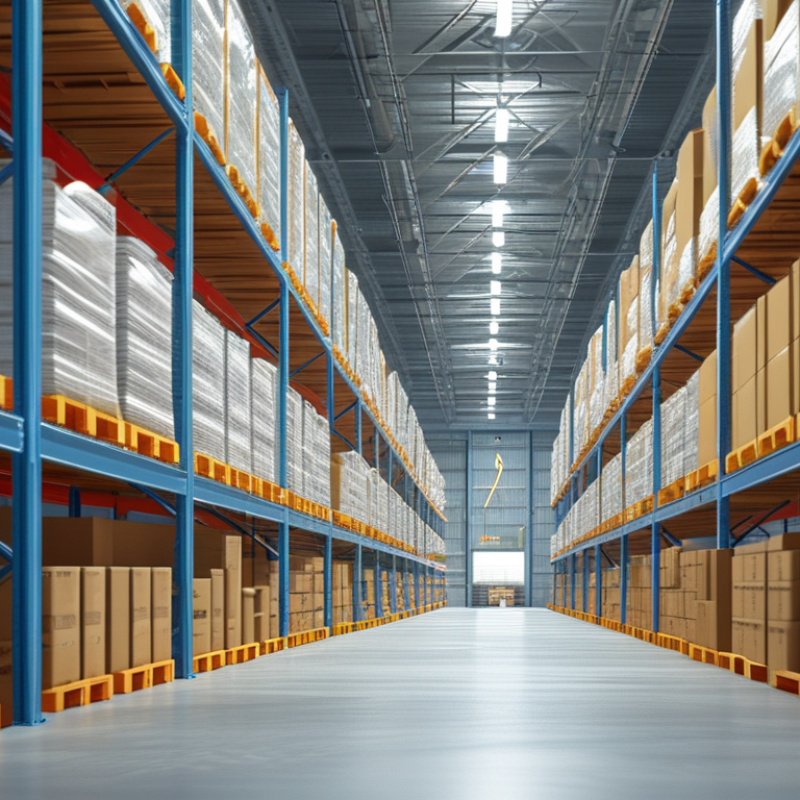
Warehouse efficiency is a vital factor in a successful supply chain. Efficient warehouses reduce operational costs and improve delivery times. They also enhance customer satisfaction. Without proper organization, warehouses can quickly become chaotic. This chaos leads to delays and errors, hampering overall performance.
One approach to enhancing warehouse efficiency is optimizing storage solutions. Using vertical space effectively can maximize storage capacity. Adjustable shelving and modular storage units offer flexibility. They accommodate changing inventory levels and types. The right layout streamlines movement, reducing time spent searching for items.
Consider training staff regularly on best practices. Well-informed employees can identify inefficiencies. They can ensure that processes remain optimized. Implementing regular audits can reveal improvement areas. It’s essential to reflect on operations continuously. Sometimes, the most straightforward changes have the largest impacts. Efficient warehouses contribute significantly to supply chain success.
In modern warehouses, maximizing efficiency is crucial. Smart storage solutions play a vital role in achieving this goal. They involve using advanced technology and strategic layout designs. According to a report by the Warehousing Education and Research Council, effective storage can improve space utilization by 30-50%. This is essential as space comes at a premium in many locations.
Key components of smart storage solutions include automated systems, intelligent software, and data analytics. Automation can streamline picking and packing processes, reducing labor costs. Intelligent software enhances inventory tracking, ensuring items are always in stock. A report from Supply Chain 24/7 indicated that companies using data-driven insights experienced a 25% reduction in order fulfillment errors. However, many warehouses still rely on outdated methods, risking inefficiencies.
Utilizing vertical space is another critical aspect. Many warehouses overlook this valuable resource. By incorporating tall storage systems, warehouses can increase capacity without expanding their footprint. Additionally, implementing real-time data tracking allows for better forecasting and replenishment. However, integrating this technology may be challenging for some operations, leading to potential disruptions. Balancing technology with practical workflow is essential to ensure optimal functionality.
| Key Component | Description | Benefits | Implementation Challenges |
|---|---|---|---|
| Automated Storage & Retrieval Systems | Systems that automatically place and retrieve loads from storage locations. | Increases speed and accuracy of order fulfillment. | High initial investment and ongoing maintenance costs. |
| Warehouse Management Software (WMS) | Software that helps manage inventory and warehouse operations. | Improves inventory accuracy and process efficiency. | Complexity in data integration and training staff. |
| Mobile Devices and Barcoding | Use of handheld devices for scanning barcodes and tracking inventory. | Enhances real-time inventory tracking. | Dependence on device durability and network connectivity. |
| Smart Shelving | Shelving systems that adjust based on inventory data. | Maximizes space utilization and efficiency. | Initial setup complexity and costs. |
| IoT Sensors | Internet of Things devices that monitor conditions and inventory levels. | Provides real-time data for better decision making. | Security and data privacy concerns. |
Innovative technologies are reshaping warehouse storage capabilities, driving efficiency and accuracy. According to a report by the Warehousing Education and Research Council, automation can improve warehouse productivity by 30% to 50%. Smart solutions like automated storage and retrieval systems (AS/RS) are at the forefront. These systems optimize space utilization and facilitate faster inventory handling. Incorporating robotics into warehouses can also reduce labor costs significantly, potentially saving up to 20%.
However, the implementation of these technologies comes with challenges. Many warehouses struggle with integrating new systems into existing infrastructures. Data from the McKinsey Global Institute indicates that 60% of companies face barriers in adapting to advanced technologies. Additionally, training staff to work alongside automation requires time and investment. Consideration must be given to the human element, as employees may feel threatened by machines taking over certain tasks.
Moreover, while smart storage solutions enhance efficiency, they may not suit every environment. The cost of implementing advanced systems can be substantial. Small and medium-sized enterprises may find it difficult to justify such investments. Balancing technological advancement with practical realities is crucial in achieving true efficiency in warehouse operations.
Implementing smart storage solutions can greatly enhance warehouse efficiency. Understanding specific needs is key. Assess current storage utilization. Identify areas where improvements can occur. This grounded approach ensures that solutions align with your operational goals.
When adopting new technologies, focus on employee training. Employees must understand technology for effective usage. Regular training sessions foster a culture of learning. Encourage feedback. This helps in making necessary adjustments and enhances overall performance.
Consider using dynamic storage systems. These systems optimize space by adjusting based on inventory levels. This flexibility boosts productivity. However, it requires constant monitoring. Be prepared for challenges in adapting traditional workflows. Reflection on these processes can lead to innovative problem-solving. Embrace this ongoing journey toward smarter storage solutions.
Smart storage solutions are transforming warehouse management. The focus on efficiency and ROI has never been more critical for businesses. According to a report by the Warehousing Education and Research Council, companies can achieve an average ROI of 20-30% when investing in optimized storage systems. This includes Automated Storage and Retrieval Systems (AS/RS) that can increase storage density by up to 50%.
Employing smart storage solutions can help warehouses reduce labor costs too. In recent studies, facilities utilizing advanced storage technology reported a 20% decrease in operational costs. However, the implementation phase can be challenging. Many warehouses underestimate the time and training needed for staff to adapt. Without proper training, productivity may actually decline in the short term.
To maximize your investment in smart storage, consider these strategies. Evaluate your current inventory management system. Upgrading to integrated solutions can streamline processes. Regularly train staff to ensure they are familiar with new technologies. Continuous improvement in warehouse practices can shift the productivity curve positively, yielding more significant long-term returns.
: Warehouse efficiency refers to how well a warehouse operates. It affects costs, delivery times, and customer satisfaction.
Without organization, warehouses can become chaotic. This chaos causes delays, errors, and low overall performance.
Optimizing storage solutions saves space and enhances capacity. Vertical storage and flexible shelving are effective options.
Regular training helps employees identify inefficiencies. Well-trained staff can implement best practices and improve operations.
Integrating new systems can be difficult. Many companies face barriers while attempting to adapt to advanced technologies.
Automation can boost productivity significantly, up to 50%. It helps optimize space and speeds up inventory handling.
Not all environments suit smart storage solutions. Costs can be high, particularly for small and medium enterprises.
Regular audits identify improvement areas. Reflecting on operations continuously can lead to significant efficiency gains.
A dynamic storage system adjusts based on inventory levels. It increases productivity but needs constant monitoring.
Encouraging feedback creates a culture of learning. Adjustments based on employee input can enhance overall performance.
Maximizing warehouse efficiency is crucial for the smooth operation of supply chains, as it directly impacts inventory management, order fulfillment, and overall operational costs. Smart storage solutions serve as vital tools for modern warehouses, characterized by innovative technologies such as automated storage and retrieval systems, real-time inventory tracking, and modular shelving. These advancements not only improve the utilization of available space but also enhance accessibility and organization.
To optimize storage space in a warehouse, implementing best practices such as space analysis and layout design is essential. By evaluating the return on investment (ROI) of smart storage solutions, businesses can make informed decisions that lead to reduced operational expenses and improved productivity. Ultimately, adopting these strategies creates a more efficient warehousing environment that supports the complexities of today’s supply chains.

IDD Motion