Ensuring safety in warehouse operations is paramount. Warehouse vehicles, such as forklifts and pallet trucks, play a critical role in this environment. Thus, understanding what safety features are important in warehouse vehicles is essential for minimizing risk. Proper safety mechanisms can prevent accidents that lead to injuries and damage.
Common safety features include motion sensors and speed limiters, which help control vehicle movement. Operators should have access to emergency stop buttons, enhancing quick reaction times. Furthermore, stability systems contribute to safer handling of loads. However, these features are not foolproof. Operators must be well-trained and adhere to safety protocols.
Despite advancements, some warehouses still struggle with safety. Regular inspections of safety features often reveal shortcomings. It is vital to stay informed about new technologies and features that enhance safety. Continuous improvement is necessary to create a safer working environment for all employees involved.
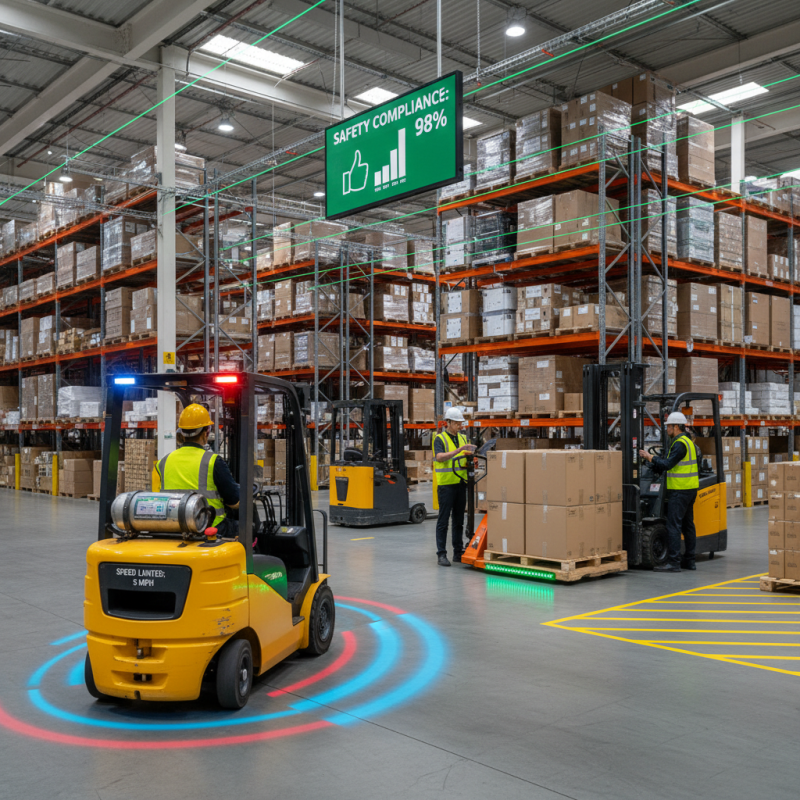
Warehouse vehicles play a crucial role in logistics and supply chain operations. They are designed to enhance efficiency in moving goods within a warehouse. Key types of these vehicles include forklifts, pallet jacks, and order pickers. Each type serves a distinct purpose. For instance, forklifts are ideal for lifting heavy pallets, while order pickers help retrieve individual items from shelves.
Understanding the functions of these vehicles is essential. According to the Warehouse Logistics Report 2023, using the right vehicle can reduce operational costs by 15-20%. Many warehouses still rely on outdated equipment, which leads to inefficiencies and safety hazards. Regular assessment of vehicle performance and safety features is vital. It ensures compliance with safety standards and enhances worker protection.
Safety features are critical in warehouse vehicles. Common features include roll-over protection and automatic braking systems. These help prevent accidents caused by human error. However, a study indicated that 30% of warehouse workers reported witnessing unsafe vehicle operation at their facility. This points to a need for ongoing training and awareness. Vehicles are not just machines; they require skilled operators who prioritize safety.
Safety features in warehouse vehicles are crucial for efficient operations. Implementing effective safety measures can prevent accidents and reduce injuries. Many warehouses face challenges like cramped spaces and heavy machinery operation. Here, safety features become vital.
One common feature is the presence of visibility aids. Cameras and sensors help operators avoid collisions. However, reliance on technology can lead to oversight. Operators must remain attentive, even with advanced equipment. Regular training is essential to complement these tools.
Another important aspect is the design of the vehicle. Features like stable platforms and ergonomic controls promote safer handling. Poor design can lead to user errors. Continuous feedback from drivers can highlight necessary improvements in design. This ongoing dialogue ensures that safety remains a priority. Balancing innovation with practical safety measures is an ongoing challenge.
| Safety Feature | Description | Importance |
|---|---|---|
| Load Limit Indicators | Displays maximum load capacity to prevent overloads. | Helps avoid accidents caused by overloading, enhancing overall safety. |
| Cameras and Sensors | Provides a 360-degree view around the vehicle to detect obstacles. | Reduces blind spots, minimizing the risk of collisions. |
| Stability Control Systems | Automatically adjusts the vehicle's performance during turns. | Prevents tipping and enhances vehicle stability during operation. |
| Emergency Stop Buttons | Allows for instant shutdown in emergencies. | Critical for quickly stopping operations to prevent injuries. |
| Operator Presence Detection | Detects if the operator is present and alert. | Ensures the machine does not operate unless the operator is engaged and safe. |
| Safety Lights and Alarms | Alert surrounding personnel of vehicle movements. | Promotes awareness and reduces the risk of accidents in busy environments. |
Warehouse vehicles play a crucial role in maintaining efficient operations. Safety is a primary concern in this environment, with specific features tailored to different vehicle types. Forklifts, for example, often come equipped with stability control systems. This reduces the risk of tip-overs, which account for a significant percentage of workplace accidents.
Powered pallet trucks feature additional safety mechanisms, such as ergonomic designs and anti-slip surfaces. Data indicates that approximately 90% of workplace injuries are preventable with the right safety features. Load sensors can also help operators avoid overloading, a common hazard in warehouses. These small yet vital details significantly enhance safety.
Automated guided vehicles (AGVs) are gaining traction in warehouses. They utilize sensors and cameras for obstacle detection, ensuring safe navigation. However, the reliance on technology brings new challenges, such as potential system failures. Continued training and awareness are essential for operators to adapt safely to these advancements. Understanding and implementing these features can make a notable difference in reducing incidents.
Warehouse safety is paramount, especially as technology evolves.
Advanced safety systems in warehouse vehicles have become essential. Collision detection systems are now commonplace. These systems use sensors to identify obstacles and prevent accidents. This innovation reduces workplace injuries and protects equipment.
Another significant advancement is automation.
Automated guided vehicles (AGVs) are designed to operate with minimal human intervention. While they enhance efficiency, their safety protocols must be closely monitored. AGVs require extensive programming and regular updates to ensure they function properly. Any lapse can lead to unexpected issues.
Moreover, real-time monitoring improves safety standards. By utilizing IoT technology, managers can track vehicle performance. This data allows for proactive maintenance and timely interventions. However, the reliance on technology may lead to complacency among operators.
Training remains crucial to complement these innovations. Safety features are only as effective as the people operating the equipment.
Maintaining safety in warehouse vehicle operations is crucial. According to the Occupational Safety and Health Administration (OSHA), about 100 fatalities and 20,000 injuries occur annually in warehouse settings. Implementing best practices can significantly reduce these risks.
Regular training is vital. Operators should receive thorough instruction on vehicle handling and safety protocols. Research indicates that 74% of accidents involve insufficient training. Conducting frequent safety drills can reinforce skills and ensure readiness. Moreover, fostering a strong safety culture among employees promotes awareness.
Proper vehicle maintenance cannot be overlooked. The National Safety Council emphasizes that 20% of workplace accidents stem from vehicle malfunctions. Routine inspections of brakes, lights, and safety systems help identify potential issues before they turn into accidents. Additionally, keeping detailed maintenance logs enhances accountability and demonstrates a commitment to safety. This proactive approach can lead to safer working environments, reducing injury risk and operational costs.
: Warehouse vehicles are essential tools in logistics for moving goods efficiently within a warehouse.
Common types include forklifts, pallet jacks, and order pickers, each serving unique functions.
Using suitable warehouse vehicles can reduce operational costs by 15-20%, enhancing efficiency.
Safety issues arise from human error and outdated equipment, which can lead to accidents.
Forklifts often have stability control systems to reduce the risk of tip-overs during operation.
Operators should have regular training, as 74% of accidents involve insufficient instruction.
Proper maintenance reduces vehicle malfunctions, which account for 20% of workplace accidents.
AGVs face potential system failures, requiring ongoing training for safe operation.
A strong safety culture promotes awareness and reduces the likelihood of accidents.
Regular safety drills and detailed maintenance logs enhance preparedness and accountability in operations.
Warehouse vehicles play a crucial role in enhancing operational efficiency, and understanding what safety features are important in warehouse vehicles is essential for ensuring a safe working environment. Key safety features, such as stability systems, collision avoidance technology, and ergonomic designs, are vital across different types of warehouse vehicles. These features not only mitigate risks but also improve overall productivity and employee safety.
Technological innovations continue to enhance warehouse vehicle safety, with advancements in automation and real-time monitoring systems. By implementing best practices for maintenance and regular safety assessments, warehouses can maximize the effectiveness of these safety features. Therefore, prioritizing vehicle safety is not just a regulatory requirement but a fundamental aspect of operational excellence in warehouse management.

IDD Motion