5 Key Factors to Consider When Buying Warehouse Equipment?

Time:2026-08-08 Author:Sophia
0%

In today’s fast-paced logistics environment, making informed decisions about warehouse equipment is crucial. Companies often overlook what factors to consider when buying warehouse equipment, which can lead to inefficiencies. A report by the Material Handling Industry of America indicates that 30% of warehouse costs are tied to equipment. Choosing wisely can reduce these costs.

Warehouse equipment impacts productivity, safety, and overall operational efficiency. For instance, the right shelving units can increase storage capacity by 50%. Furthermore, investing in ergonomic equipment can significantly lower workplace injuries. According to OSHA, improving warehouse safety with appropriate equipment can save businesses up to $60 billion annually in injury-related costs.

Many organizations struggle with the selection process. They may rush into decisions without understanding their unique needs. Conducting proper research and consulting experts can lead to more thoughtful choices. Organizations not only save money but also enhance their operational reliability. Therefore, understanding the critical factors in equipment selection is essential for long-term success.
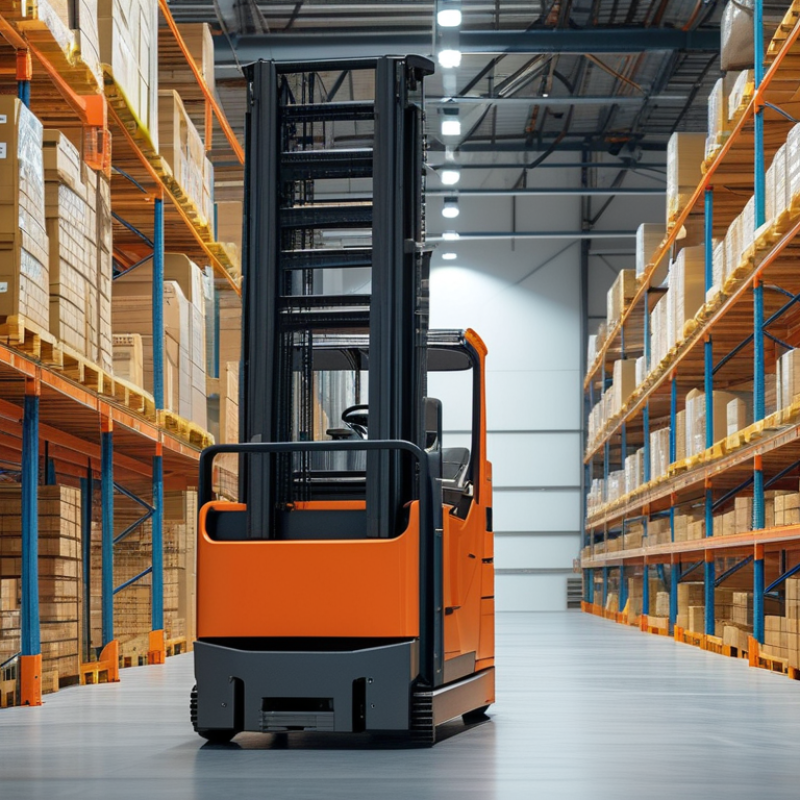
5 Key Factors to Consider When Buying Warehouse Equipment?

Understanding Warehouse Equipment Types and Their Applications

When exploring warehouse equipment types, it’s essential to understand their specific applications. Forklifts are vital for moving heavy pallets. They can navigate tight spaces but require skilled operators. Different types cater to various lifting heights and weights. Automated guided vehicles (AGVs) streamline processes, reducing labor costs. However, they may not fit all layouts.

Conveyors are another critical component. They efficiently transport goods across large areas. Belt, roller, and gravity conveyors serve diverse needs. Each has advantages and limitations. Proper design is crucial for maximizing workflow efficiency. Shelving systems also play a significant role in storage. They come in various styles, from pallet racks to modular shelving. Choosing the right type depends on the inventory’s size and turnover rate.

Choosing warehouse equipment demands careful thought. Understanding the functions of each type helps in selection. Evaluation of space, safety, and scalability often reveals gaps in planning. It’s common to overlook the long-term maintenance costs. Reflecting on these aspects ensures a well-equipped facility.

5 Key Factors to Consider When Buying Warehouse Equipment

Factor Description Types of Equipment Application Areas
1. Capacity Ensure the equipment can handle the weight and volume of goods. Forklifts, Pallet Jacks Loading & Unloading, Inventory Management
2. Durability Consider the build quality and expected lifespan of equipment. Shelving, Racking Systems Storage Solutions, Long-term Use
3. Safety Features Assess equipment for safety mechanisms and compliance. Conveyors, Dock Levelers Loading Zones, Transport
4. Maintenance Requirements Evaluate how often and what type of maintenance is needed. Pallet Racks, Automated Systems Efficiency, Operational Continuity
5. Budget Constraints Determine initial cost and long-term operational costs. Used vs New Equipment Cost Efficiency Analysis

Assessing Load Capacity Requirements for Efficient Operations

When considering warehouse equipment, understanding load capacity is crucial. Assessing this requirement affects your operations directly. Improper load capacity can lead to inefficiencies. It can cause accidents or damage to goods, impacting the bottom line.

Evaluate the specific requirements of your warehouse. Different goods have varying weights and dimensions. These details matter when selecting the right equipment. For instance, forklifts must support the maximum load while navigating narrow aisles. Otherwise, you may face difficulties in daily operations.

Conduct regular assessments of your equipment's performance and limits. Sometimes, overestimation of capacity leads to mishaps. Reflecting on past experiences can help you avoid such pitfalls. A well-informed decision today can ensure safer and more efficient operations in your warehouse tomorrow.

Evaluating Energy Efficiency Standards and Cost Savings

When evaluating warehouse equipment, assessing energy efficiency is crucial. According to a report by the U.S. Department of Energy, energy costs can account for up to 30% of a warehouse's operational expenses. Investing in equipment with high energy efficiency ratings can lead to significant long-term savings. For instance, energy-efficient forklifts can reduce operating costs by up to 25%.

Consider the equipment's energy consumption patterns. Look for machines that offer variable speed control and regenerative braking. This technology not only cuts down on energy use but improves performance. Reports show that warehouses that have upgraded to energy-efficient systems experience a reduction in carbon footprints, which is increasingly important as businesses strive for sustainability.

Cost savings aren't just about the initial purchase price. They include maintenance and operational costs over time. Slightly more expensive high-efficiency equipment can yield savings that balance out upfront investments. It’s worth noting, however, that not all energy-efficient equipment is created equal. A thorough analysis of specifications and real-world performance metrics is necessary to make informed decisions. This process ensures that investments are sound and contribute to both efficiency and environmental goals.

Considering Maintenance Needs and Downtime Impact on Productivity

When considering warehouse equipment, maintenance needs and downtime are critical factors. Equipment that requires frequent maintenance can disrupt workflow. Imagine a conveyor belt breakdown during peak hours. The impact on productivity can be significant. If parts are hard to find, repairs can drag on for days. This causes not only frustration but also losses in revenue.

It's essential to assess how equipment will fit into your existing processes. Look at the maintenance records of similar equipment. Talk to operators about their experiences. They can highlight potential issues that may not be immediately obvious. Reliability should be a priority. A durable machine saves time and money in the long run. However, don't ignore the reality that every piece of equipment has wear and tear.

Evaluating the downtime impact means analyzing your operation’s capacity. Even a small glitch can lead to a backlog. This can strain your workforce and resources. Factor in training for staff on new equipment. This adds another layer of potential downtime. Consider all these aspects carefully to ensure smoother operations.

Analyzing Space Optimization and Equipment Configuration Options

When assessing warehouse equipment, space optimization and equipment configuration are critical. The layout directly affects productivity. According to a report by Logistics Management, companies can reduce storage costs by up to 30% with efficient layout designs. Clear pathways must be maintained for safety and efficiency, influencing how equipment is configured.

Each warehouse is unique. Factors like ceiling height and floor load capacity need careful analysis. Some warehouses are constrained by irregular shapes, which complicates equipment placement. Data from the Material Handling Institute suggests that nearly 50% of warehouses operate below optimal efficiency due to poor layout and equipment selection.

Consider how equipment interacts with available space. Automated systems may maximize vertical storage but have high initial costs. Choosing the right system should involve a risk-benefit analysis. Ensure each piece of equipment serves a practical purpose. Reflection on current configurations may reveal areas for improvement.

FAQS

: Why is understanding load capacity important in a warehouse?

: It directly affects operations and prevents inefficiencies, accidents, and damage to goods.

How can I evaluate load capacity requirements?

Assess the specific weights and dimensions of the goods. This will guide equipment selection.

What happens if equipment has improper load capacity?

It can lead to operational difficulties, accidents, and financial losses.

How often should I assess my equipment's performance?

Regular assessments are necessary to identify limits and avoid overestimations of capacity.

What role does maintenance play in warehouse operations?

Frequent maintenance needs can disrupt workflow and significantly impact productivity.

How can equipment downtime affect my business?

Even minor breakdowns can cause a backlog, straining resources and staff.

What should I consider about equipment reliability?

Look at maintenance records and operator experiences to anticipate potential issues.

Can training on new equipment contribute to downtime?

Yes, training adds another layer of potential downtime, impacting overall operations.

What is a common mistake regarding load capacity?

Overestimating capacity based on bad past experiences can lead to failures.

How can I ensure smoother operations in my warehouse?

Factor in all equipment aspects, including load capacity and maintenance needs, for better decision-making.

Conclusion

When considering what factors to consider when buying warehouse equipment, it's essential to start by understanding the different types of equipment available and their specific applications. Each piece of equipment serves a distinct purpose in warehouse operations, and selecting the right type can enhance efficiency. Additionally, assessing load capacity requirements is crucial to ensure that the equipment can handle the demands of your operations, preventing potential issues down the line.

Another important aspect is evaluating energy efficiency standards, as these can significantly impact your operating costs over time. Maintenance needs should also be factored in, as frequent downtime can hinder productivity. Lastly, analyzing space optimization and the best configuration of your equipment can lead to improved workflow and maximize the use of available space. By carefully considering these factors, you can make more informed purchasing decisions for your warehouse needs.

Sophia

Sophia

Sophia is a dedicated marketing professional with an exceptional depth of knowledge about her company's products and services. With a keen understanding of market trends and customer needs, she crafts insightful blog posts that not only inform but also engage readers, enriching the company’s online......