What Are the Benefits of Electric Warehouse Vehicles?

Time:2026-10-07 Author:Madeline
0%

Understanding what are the benefits of electric warehouse vehicles starts with daily warehouse realities. A forklift moves pallets, pauses at a loading bay, and returns for another shift. Electric models can reduce exhaust emissions inside enclosed facilities. This may support cleaner air near operators and stored goods. They also operate with less engine noise than many combustion-powered vehicles. That quieter environment can improve communication around active aisles. Small changes matter.

Electric warehouse vehicles can provide precise movement in narrow spaces. Their smooth acceleration helps operators position pallets near racks and dock doors. Regenerative braking may recover energy during deceleration, depending on the vehicle design. Lower routine maintenance can also reduce oil changes, engine servicing, and unexpected downtime. Battery performance remains a practical concern. Charging schedules, spare batteries, ventilation, and trained staff require careful planning. Otherwise, one empty battery can stop a busy shift.

Warehouse managers should compare purchase price, energy use, maintenance, duty cycles, and operating hours. A total-cost review is more reliable than focusing on the initial invoice. Industry experience shows that vehicle selection must match load weight, floor conditions, travel distance, and shift patterns. Electric equipment is not automatically the best choice for every operation. Results vary. Yet, when properly specified, it can support quieter workflows, cleaner indoor conditions, and more predictable operating costs. This article examines the main benefits, limitations, and practical decisions behind electric warehouse vehicle adoption.
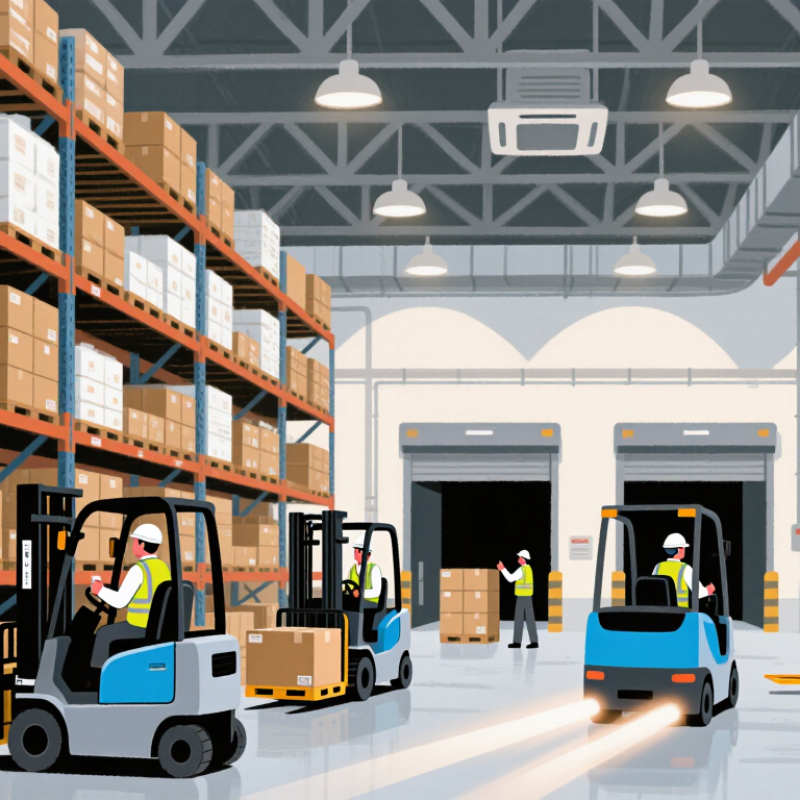
What Are the Benefits of Electric Warehouse Vehicles?

Types of Electric Warehouse Vehicles and Their Main Uses

Electric warehouse vehicles support cleaner, quieter, and more controlled material handling. Their value depends on matching each vehicle to the warehouse task. Aisle width matters. Load weight matters too.

Electric forklifts handle pallets, loading bays, and medium-to-heavy lifting. They produce no tailpipe emissions indoors and usually create less noise than fuel-powered alternatives.

Electric pallet jacks move goods across short distances, especially between storage racks and packing stations. Walkie models suit smaller facilities, while ride-on versions reduce operator fatigue during busy shifts.

Reach trucks work in narrow aisles and lift pallets onto high racks. Their compact design saves floor space, but requires trained operation and careful speed control.

Order pickers help workers collect individual cartons from shelves. They are useful in e-commerce storage areas where orders contain many small items.

Tow tractors pull several carts across long warehouse routes. They can reduce repeated forklift trips and improve movement between receiving, storage, and dispatch zones.

Automated guided vehicles transport standard loads along mapped paths, offering consistent travel during repetitive work. However, they may struggle with changing layouts, blocked routes, or irregular pallets.

Charging schedules influence every electric fleet. A vehicle can appear efficient until batteries sit unused during peak hours. Routine inspections should cover tires, forks, brakes, charging points, and warning systems. I have found that speed is not always the main gain; smoother traffic often matters more. The best choice may combine several vehicle types, rather than rely on one machine everywhere.

How Electric Power Improves Warehouse Efficiency

What Are the Benefits of Electric Warehouse Vehicles?

Electric warehouse vehicles improve efficiency by reducing delays during daily material handling. They deliver steady torque, allowing operators to move pallets smoothly in narrow aisles. During a normal shift, quieter operation also makes instructions easier to hear. This can reduce avoidable stops and communication errors. Small gains matter.

Electric motors usually require less routine maintenance than combustion systems. There are no engine oils, exhaust filters, or fuel deliveries to manage. Energy use can also be tracked through charging records and operating hours. Managers can compare travel patterns, idle time, and battery consumption. These details support better scheduling decisions.

Still, efficiency is not automatic. A charging plan must match shift patterns, vehicle demand, and battery condition. One overlooked charger can create a queue before the afternoon shift. If vehicles are repeatedly overworked, charging time may erase expected productivity gains. Operators also need training for smooth acceleration, safe turning, and proper parking. In practice, floor conditions matter too. Dust, uneven surfaces, and cold storage areas can affect performance. A practical assessment should measure completed moves, downtime, energy use, and maintenance events. The most useful data may expose disappointing results. That is valuable. It shows where layout changes, spare batteries, or revised work assignments are needed.

Workplace Safety Benefits of Electric Warehouse Vehicles

Electric warehouse vehicles can improve workplace safety when their design matches real operating conditions. In warehouse assessments, quieter movement has made it easier for workers to hear alarms, instructions, and nearby equipment. Reduced exhaust emissions also support cleaner indoor air, especially in enclosed loading areas. However, quiet travel can create a new hazard. Pedestrians may not notice an approaching vehicle without visual signals or controlled routes.

Electric power systems often provide steady acceleration and precise speed control. This helps operators move safely around shelving, dock edges, and narrow aisles. Regenerative braking can reduce sudden stops and improve control on busy floors. Many vehicles also include seat restraints, warning lights, reversing alerts, and operator-access controls. These features work best when workers receive practical training, not just a brief explanation beside the vehicle.

Battery charging requires careful planning. Charging zones should stay dry, ventilated, uncluttered, and separated from pedestrian traffic. Damaged cables, unusual heat, or battery swelling should trigger immediate inspection by qualified personnel. A rushed operator can still collide with a person, even in a well-designed vehicle. That uncomfortable point matters. Safety depends on vehicle condition, floor markings, visibility, supervision, and everyday behavior. Regular checks should include brakes, tires, alarms, steering response, and charging equipment. Small defects often become serious when ignored.

Workplace Safety Benefits of Electric Warehouse Vehicles

Typical operating noise levels show how electric warehouse vehicles can reduce workplace noise exposure compared with common internal-combustion alternatives.

Lower noise levels can make communication easier, improve awareness of alarms and nearby pedestrians, and support a safer warehouse environment. Actual levels vary by vehicle, load, floor surface, and operating conditions.

Environmental Advantages and Reduced Operating Emissions

Electric warehouse vehicles remove tailpipe exhaust from loading bays, aisles, and dispatch areas. That matters when workers operate near stacked pallets and enclosed docks. Cleaner air can reduce diesel fumes, soot, and unpleasant odors during busy shifts. The U.S. Environmental Protection Agency’s eGRID 2022 report measured average grid emissions at about 373 grams of CO2 per kilowatt-hour. Electric equipment still creates indirect emissions, but those emissions occur at power stations rather than inside the warehouse.

The environmental benefit improves when facilities use low-carbon electricity. The International Energy Agency’s Global EV Outlook 2024 shows that electricity carbon intensity differs sharply between regions. Charging during renewable-rich hours can lower the operational footprint further. Regenerative braking may also return energy to the battery during repeated stops. Small gains become meaningful across thousands of daily movements. No exhaust is produced onsite.

The calculation is not automatically green. Battery production, replacement, and electricity losses deserve attention. A poorly maintained battery can increase charging demand and shorten service life. I have seen energy plans focus on vehicle purchases while ignoring chargers, shift timing, and ventilation. That is a weak assessment. Managers should record electricity use per operating hour, compare it with previous fuel consumption, and review emissions factors annually. EPA data can support site-level estimates, while IEA analysis helps explain regional differences. Even a quiet electric vehicle still consumes materials and power.

Cost Savings, Maintenance Needs, and Long-Term Value

Electric warehouse vehicles can reduce operating costs when daily usage is high and routes are predictable. Electricity often costs less than fuel per operating hour. Indoor operation also avoids exhaust exposure and improves air quality around workers. In a busy warehouse, quieter travel makes communication easier near loading areas. However, savings are not automatic. Charging equipment, battery replacement, and operator training require careful budgeting.

Maintenance needs are usually simpler because electric vehicles have fewer moving engine parts. There are no oil changes, fuel filters, or exhaust systems to service. Technicians still inspect tires, brakes, steering, cables, and battery connections. From practical warehouse experience, neglected charging habits can shorten battery life. A vehicle that stops mid-shift creates delays, labor costs, and frustration. That detail is easy to underestimate. Long-term value depends on matching vehicle capacity with real workloads, floor conditions, and shift patterns. An oversized vehicle may waste energy, while an undersized one may wear out early.

Tips: Track energy use, repair time, and battery performance each month. Keep charging zones clean, dry, and unobstructed. Train operators to avoid harsh acceleration and unnecessary idling. Review maintenance records before replacing equipment. The cheapest purchase is not always the best investment. Life-cycle cost matters more. Also, leave room for uncertainty; workload forecasts can be wrong, especially during seasonal demand.

FAQS

Which electric warehouse vehicle suits pallet movement?

Electric forklifts handle pallets, loading bays, and medium-to-heavy lifting. Choose capacity based on actual load weights.

When should a warehouse use electric pallet jacks?

Electric pallet jacks move goods across short distances. Walkie models fit smaller facilities, while ride-on models reduce fatigue.

What makes reach trucks useful?

Reach trucks work in narrow aisles and lift pallets onto high racks. Operators need training and careful speed control.

Where do order pickers provide the most value?

Order pickers help workers collect individual cartons from shelves. They suit storage areas with many small-item orders.

How do tow tractors improve warehouse movement?

Tow tractors pull several carts across long routes. This can reduce repeated forklift trips between receiving, storage, and dispatch.

Can automated vehicles work in every warehouse?

No. They follow mapped paths well but may struggle with blocked routes, changing layouts, or irregular pallets.

How do electric vehicles affect warehouse air quality?

They produce no tailpipe exhaust indoors. This reduces fumes, soot, and unpleasant odors near loading bays and stacked pallets.

What should managers consider when planning charging?

Charging schedules should match work shifts and peak demand. A parked vehicle cannot help during busy hours.

Do electric warehouse vehicles always reduce total costs?

Not automatically. Charging equipment, battery replacement, training, and repairs require careful budgeting.

Which maintenance checks are important?

Inspect tires, forks, brakes, steering, cables, battery connections, charging points, and warning systems. Small faults can cause mid-shift delays.

Conclusion

What are the benefits of electric warehouse vehicles? These vehicles include forklifts, pallet trucks, order pickers, tow tractors, and compact utility carts, each designed for tasks such as lifting, transporting, picking, and moving goods across warehouse spaces. Their electric power supports smoother acceleration, precise handling, and quieter operation, helping employees work more efficiently in busy facilities. With fewer exhaust emissions and less noise than fuel-powered equipment, electric vehicles can contribute to cleaner indoor air and a more comfortable workplace.

Electric warehouse vehicles also improve workplace safety through stable controls, reduced fumes, and features that support careful movement in narrow aisles. Although the initial purchase cost may be higher, lower energy expenses, simpler routine maintenance, and fewer fuel-related requirements can provide long-term savings. Battery charging and replacement planning are important, but advances in battery performance and fleet management can further improve productivity. Overall, electric warehouse vehicles offer a practical combination of efficiency, safety, environmental responsibility, and lasting operational value.

Madeline

Madeline

Madeline is a dedicated marketing professional with a wealth of expertise in our company's core offerings. With a keen understanding of the industry, she brings a unique perspective to her role, consistently delivering high-quality content that highlights the superior aspects of our products. As......