How to Improve Safety in Material Handling Operations in 2026?

Time:2026-05-19 Author:Madeline
0%

As we approach 2026, the importance of safety in material handling operations cannot be overstated. According to the Bureau of Labor Statistics, material handling injuries account for nearly one-third of all workplace injuries, underscoring the need for effective strategies. This highlights the pressing question of how to improve safety in material handling operations.

A recent report by the National Safety Council reveals that enhanced training programs can reduce incidents by up to 25%. However, many organizations still face challenges in implementing these programs effectively. The complexities of modern operations, including increased automation and diverse workforce skills, complicate safety measures. This prompts a deeper examination of current practices and the recognition that existing strategies may need significant adjustments.

Industry standards suggest that proper equipment maintenance and ergonomic practices can also elevate safety levels. Yet, companies must not overlook human factors such as fatigue and distraction during operations. The path to greater safety is a continuous journey that demands reflection and commitment. As we look to the future, the question remains: are we fully equipped to address these evolving challenges in material handling?
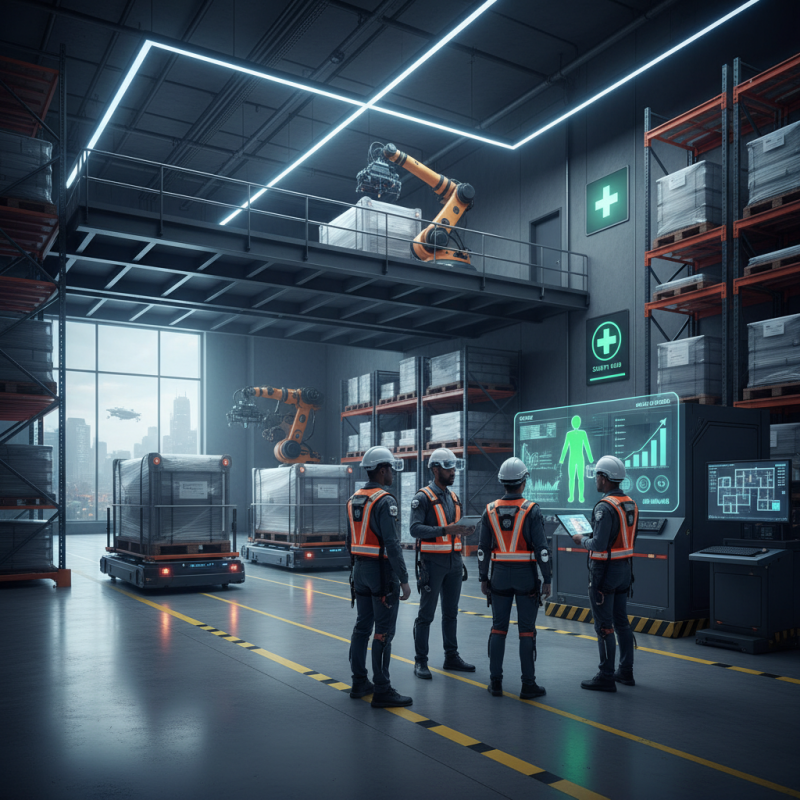
How to Improve Safety in Material Handling Operations in 2026?

Strategies for Enhancing Training Programs in Material Handling Safety

In 2026, enhancing training programs in material handling safety is crucial. According to the National Safety Council, over 25% of workplace injuries relate to material handling. Improving safety training can significantly reduce this number. Training programs should focus not only on the best practices but also on situational awareness and risk assessment.

Incorporating real-life scenarios into training can help prepare employees. Hands-on training allows workers to experience challenges in a controlled environment. A study by the Occupational Safety and Health Administration (OSHA) indicated that practical training can decrease errors by 40%. Additionally, refreshing training annually keeps safety protocols fresh in employees' minds. The reality is, many workers forget crucial information over time.

In 2026, utilizing technology in training methods could bridge gaps in knowledge retention. Virtual reality and interactive modules can simulate high-risk situations. Yet, reliance on technology without proper oversight may lead to misunderstanding safety protocols. Training should always include a blend of technology and traditional methods to minimize risks effectively. There remains a need for continuous evaluation of training effectiveness and employee feedback. This can identify areas for improvement and ensure a safer workplace.

Implementation of Advanced Technology for Safer Operations

In 2026, material handling operations will need to prioritize safety. Advanced technology plays a crucial role in creating safer work environments. Automation and robotics can reduce human errors. Autonomous vehicles can transport materials, minimizing risks associated with manual handling. Companies should consider integrating these technologies into daily operations.

Tips for Implementing Technology: Invest in training sessions for employees. Knowledgeable staff can effectively use new systems. Regular safety drills should include technology use. This practice ensures readiness for emergencies. Monitor the effectiveness of these tools frequently. Continuous feedback will help refine strategies.

Testing and iterating on new systems is essential. Sometimes technology may not function as intended. A clear protocol for error reporting can help address issues quickly. Keep open channels of communication among teams. This practice fosters a culture of safety and innovation. The goal is to create an adaptive environment that prioritizes wellbeing.

How to Improve Safety in Material Handling Operations in 2026?

Importance of Regular Safety Audits in Material Handling Processes

Regular safety audits in material handling processes play a crucial role in promoting a safe work environment. Audits help identify potential hazards and assess compliance with safety regulations. Consistent evaluation leads to improved practices and reduced accidents over time. In 2026, proactive measures will be essential as technology and operations evolve.

One effective audit technique is observing employees during their tasks. This method highlights safety lapses that might go unnoticed in paperwork. Additionally, engaging employees in the audit process fosters a culture of safety. Workers often provide insights that improve safety protocols. However, it’s essential to create an environment where feedback is welcomed, not feared.

Despite the benefits of regular audits, some organizations hesitate to implement them. Concerns about time and disruption can stall progress. A real-world reflection shows that neglecting audits can result in costly accidents. Balancing operational efficiency with safety is vital. Regular audits not only enhance safety but also build a more reliable workflow in material handling operations.

How to Improve Safety in Material Handling Operations in 2026? - Importance of Regular Safety Audits in Material Handling Processes

Audit Date Location Auditor Findings Recommendations Follow-up Date
2026-01-15 Warehouse A John Doe Inadequate training on equipment use Implement regular training sessions 2026-03-01
2026-02-20 Warehouse B Emily Johnson Lack of proper PPE usage Enforce PPE compliance and provide gear 2026-04-10
2026-03-05 Warehouse C Michael Brown Insufficient signage for safety Install more visible safety signs 2026-04-15
2026-04-12 Warehouse D Sarah Williams Improper lifting techniques observed Conduct ergonomic lifting workshops 2026-05-20

Promoting a Culture of Safety Among Material Handling Workers

Creating a culture of safety among material handling workers is essential for improving operations. This culture starts with ongoing education. Workshops and training sessions can equip workers with essential skills. Practical demonstrations, using actual equipment, allow them to understand hazards better. Engaging employees in hands-on experiences makes safety more relatable.

Open communication plays a crucial role. Workers should feel comfortable voicing concerns about unsafe conditions. Regular safety meetings can help achieve this. In these meetings, discussing near misses encourages sharing of knowledge. Workers learn from each other's experiences, fostering a sense of community. Encouragement is vital. Recognition programs for safe practices can motivate employees to prioritize safety.

Despite these efforts, challenges may arise. Some workers might resist change in their routines. Others may underestimate risks, believing accidents will not happen to them. It's essential to address these attitudes. Encouraging reflection on past incidents can guide workers to adopt safer habits. Continuous reinforcement of safety practices will help build a stronger culture of safety in material handling operations.

Utilizing Data Analytics to Identify and Mitigate Risks in Handling Operations

In today’s fast-paced environment, improving safety in material handling is crucial. Data analytics plays a vital role in this process. Companies can leverage vast amounts of data to identify patterns that lead to risks. For example, examining incident reports and operation logs can reveal trends in unsafe practices. This insight allows managers to address potential hazards proactively.

However, simply collecting data is not enough. Organizations must analyze it effectively. Many companies struggle with this. They may have the data but lack the expertise to interpret it correctly. Investing in training for staff can bridge this gap. By empowering employees to understand and use data, organizations can foster a culture of safety.

Moreover, visibility into operations helps to pinpoint issues. Wearable technology can track worker movements, flagging unsafe behaviors in real-time. Feedback mechanisms should also be in place to continuously improve processes. Though some may resist change, openness to new methods is essential. Effective communication about findings and action plans reinforces safety commitment.

FAQS

: Why is advanced technology important for safety in operations?

: Advanced technology reduces human errors and improves safety. It helps create safer work environments.

How can companies implement new technologies effectively?

Companies should invest in employee training. Knowledgeable staff use systems better and enhance safety.

What role does data analytics play in safety improvements?

Data analytics identifies patterns in risks. It helps managers proactively address potential hazards.

What challenges do organizations face with data collection?

Many struggle to analyze data. They may lack the expertise for interpretation. Training can help.

How can wearable technology enhance safety?

Wearables track worker movements. They flag unsafe behaviors in real-time, improving overall safety.

What should companies do when technology fails?

Establish clear error reporting protocols. Quickly addressing issues is crucial for safety and performance.

Why is open communication important in implementing new systems?

Open communication fosters innovation. It helps teams share feedback and reinforces commitment to safety.

Are safety drills necessary when implementing new technology?

Yes, regular drills ensure readiness for emergencies. They integrate technology use into safety practices.

How can organizations encourage a culture of safety?

Investing in staff training and continuously improving processes creates a safety-focused environment.

What happens if employees resist changes in technology?

Resistance to change can hinder progress. It’s essential to communicate findings and benefits effectively.

Conclusion

In the quest to understand how to improve safety in material handling operations, organizations can adopt several effective strategies. First, enhancing training programs is crucial, as it ensures that workers are well-informed about safe practices and operational protocols. Additionally, the implementation of advanced technology can significantly reduce hazards by automating risky tasks and improving monitoring systems. Regular safety audits play a vital role in identifying potential risks, enabling timely interventions.

Promoting a culture of safety among workers fosters an environment where safety is prioritized and concerns are communicated openly. Furthermore, utilizing data analytics allows companies to analyze incidents and near-misses to pinpoint risk areas, ultimately leading to more informed decision-making. By integrating these strategies, businesses can create safer material handling operations and better protect their workforce.

Madeline

Madeline

Madeline is a dedicated marketing professional with a wealth of expertise in our company's core offerings. With a keen understanding of the industry, she brings a unique perspective to her role, consistently delivering high-quality content that highlights the superior aspects of our products. As......