In the fast-paced world of logistics, understanding why automation is important in logistics operations is paramount. According to Dr. Sarah Johnson, a leading expert in supply chain management, "Automation is not just a trend; it’s essential for efficiency." Her insights reflect the ongoing shift towards automated systems in logistics.
Today’s logistics operations face numerous challenges. These include rising demands for speed and accuracy. Manual processes can lead to errors and delays. Automation helps streamline these processes. For example, automated warehousing solutions can reduce picking times by 60%. This shift improves overall productivity and reduces operational costs.
However, integrating automation is not without its concerns. Companies must consider workforce implications and the initial costs of technology. An over-reliance on automation may lead to skill gaps in the workforce. Moreover, companies should continuously evaluate their systems to ensure they meet evolving demands. Balancing automation with human expertise is crucial for long-term success. Embracing automation in logistics can drive efficiency, yet companies must tread carefully in implementation.
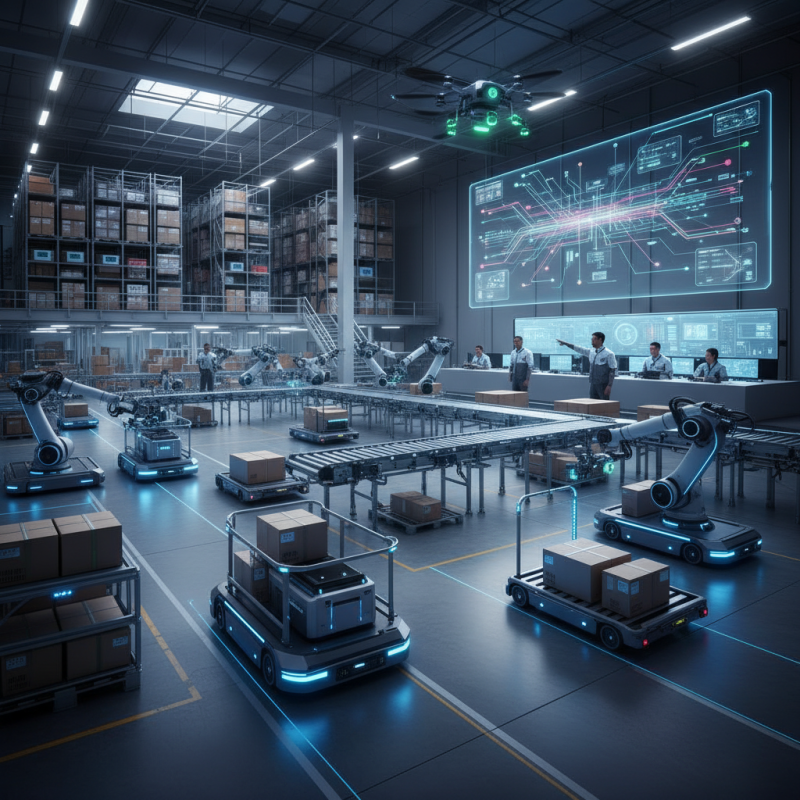
The logistics industry has evolved significantly with the rise of automation. Initially, manual processes dominated. Warehouses relied on human labor for sorting, packing, and transportation. This approach was often inefficient, leading to slow delivery times. However, technological advancements have changed this landscape completely.
Today, automated systems streamline operations. Robotic arms package items, while software optimizes delivery routes. These innovations minimize human error and improve efficiency. However, not all companies have adapted smoothly. Some struggle with the initial investment costs or resist change. Training employees to work alongside technology can also be a challenge.
Tips for successful automation in logistics include starting small. Implement one process at a time. Monitor performance and gather feedback from staff. This helps identify pain points. Remember, technology should enhance human work, not replace it. Embrace a culture of continuous improvement. Stay adaptable as the industry evolves. A commitment to learning will lead to long-term success.
Automation is revolutionizing logistics operations. According to a recent report by McKinsey, automation can enhance warehouse productivity by up to 30%. This notable increase stems from the streamlined processes that automation introduces. Automated systems reduce manual errors, leading to better inventory accuracy. Inventory inaccuracies can result in significant financial losses. A study by the Warehousing Education and Research Council highlights that over 30% of warehouse operational costs are tied to inventory discrepancies.
Furthermore, the introduction of automated transport solutions has shown promising results. Fleet management can grow more efficient with route optimization software. This can cut transportation costs by 10% to 15%. However, companies must remain vigilant. Relying solely on automated systems can lead to a lack of human oversight. Engaging staff in monitoring and quality control is still vital. The balance between automation and human expertise can turn inefficiencies into seamless operations.
Despite these clear benefits, many companies face challenges. Implementing automation requires substantial upfront investment. However, the long-term savings can outweigh these initial costs. Organizations often struggle with training employees to work alongside AI systems. This is a crucial area to address. Recognizing the importance of ongoing training can pave the way for successful integration of automation in logistics.
Technological innovations are reshaping the logistics sector at a rapid pace. Automation is at the forefront of this transformation. From robotics in warehouses to advanced software for inventory management, these developments streamline operations. For instance, automated guided vehicles (AGVs) move goods efficiently. Drones may soon deliver packages, cutting down delivery times.
Artificial intelligence plays a key role in logistics automation. AI analyzes data to improve route optimization. This can reduce fuel consumption and enhance delivery accuracy. However, relying too much on technology comes with its challenges. System failures can disrupt operations. Workers may need retraining to adapt to new tools. Balancing technology with human oversight is crucial.
Moreover, the integration of Internet of Things (IoT) devices is changing how logistics companies monitor assets. Sensors provide real-time data on shipments. This visibility helps in tracking and reducing losses. Yet, data security remains a concern. Protecting sensitive information is paramount as automation becomes more prevalent. Embracing these innovations requires careful consideration of both benefits and potential drawbacks.
In logistics, automation plays a vital role in improving efficiency. However, implementing automation presents significant challenges. One common issue is resistance from staff. Employees often fear job loss or changes in their roles. This fear can slow down the adoption process. Training programs are essential to address these concerns and ensure that workers adapt to new technologies.
Technology integration is another hurdle. Different systems may not communicate effectively. This can lead to data silos, affecting performance. To combat this, companies can invest in comprehensive software solutions. Additionally, involving all stakeholders in the planning phase helps create a more seamless transition.
Lastly, the upfront cost of automation can be intimidating. Many companies struggle to justify the initial investment. Yet, by focusing on long-term gains, leaders can better understand the value. Analyzing ROI metrics allows businesses to make informed decisions. Automating logistics is crucial but requires thoughtful navigation of these obstacles.
Automation is reshaping logistics operations significantly. As companies seek efficiency, automation helps streamline processes. Robotics and AI play key roles in warehousing and inventory management. They reduce human error and speed up tasks like sorting and packing. This shift not only enhances accuracy but also allows employees to focus on complex issues, fostering innovation.
Future trends in logistics automation point toward increased integration of technology. Continuous data analysis will enable predictive maintenance of equipment. Autonomous vehicles for transport are becoming more viable. However, the path isn’t flawless. Concerns about job displacement and data security remain. Companies must address employee training and ethical implications to ensure a smooth transition.
Another trend is the rise of blockchain technology for tracking shipments. It promises transparency and trust in the supply chain. Yet, the technology’s complexity can be a hurdle. Logistics companies need to invest in education and infrastructure. Overall, the future of logistics depends on balancing automation's benefits with the challenges it brings.
| Dimension | Description | Current Impact (%) | Future Potential (%) |
|---|---|---|---|
| Cost Reduction | Decrease in operational costs due to automation | 25% | 40% |
| Efficiency Improvement | Increased speed and accuracy in logistics operations | 30% | 50% |
| Customer Satisfaction | Improved service delivery through automated systems | 20% | 35% |
| Error Reduction | Decrease in human errors due to automation | 15% | 25% |
| Scalability | Ability to scale operations quickly with automation | 10% | 30% |
: Automation has streamlined logistics by replacing manual processes with robotic systems and optimized software.
Robotics reduce human error and speed up tasks like sorting and packing. This enhances overall efficiency.
Companies may struggle with high initial costs and employee resistance. Training staff to work with new technology can be difficult.
Start small by implementing one process at a time. Monitor performance to identify areas for improvement.
Automation can allow employees to focus on complex tasks but may also raise concerns about job displacement.
Autonomous vehicles and blockchain technology are becoming more popular for improving transparency and efficiency.
Ongoing training helps employees adapt to new technologies and addresses challenges that arise during implementation.
Continuous data analysis allows for predictive maintenance, helping companies avoid equipment failures and costly downtimes.
Companies may face ethical dilemmas related to job displacement and data security, which need careful consideration.
Investing in education and infrastructure will help companies integrate new technologies effectively while balancing benefits and challenges.
Automation has become a cornerstone of modern logistics operations, marking a significant evolution in how goods are managed and transported. The integration of automated systems enhances efficiency, reduces operational costs, and improves accuracy in inventory management. As logistics continues to evolve, technological innovations such as artificial intelligence and robotics play a pivotal role in streamlining processes, ultimately reinforcing why automation is important in logistics operations.
Despite the clear benefits, implementing automation in logistics is not without challenges. Organizations face obstacles such as high initial costs and the need for workforce retraining. However, addressing these issues through strategic planning and investment in employee development can lead to a more seamless transition. As logistics operations look towards the future, embracing automation will not only address current challenges but also pave the way for more resilient and adaptable supply chains.

IDD Motion