Top 10 Essential Safety Features for Warehouse Vehicles

Time:2026-08-18 Author:Sophia
0%

Warehouse safety is a critical concern as logistics operations expand. In 2020, the Bureau of Labor Statistics reported nearly 100,000 injuries related to warehouse operations annually. This highlights the urgency for effective safety measures. When considering what safety features are important in warehouse vehicles, it becomes clear that specific features can significantly reduce risks.

Modern warehouse vehicles must incorporate advanced safety technologies. Features such as proximity sensors, automatic braking systems, and enhanced visibility spec are vital. These tools help prevent accidents, which can disrupt operations and lead to injuries. A report by the National Safety Council identifies the need for improved training and equipment to boost safety standards.

Despite advancements, challenges remain. Many facilities still lack essential safety features. This inconsistency raises concerns about overall warehouse safety. As industries adapt to new technologies, understanding what safety features are important in warehouse vehicles is essential for minimizing risks and ensuring employee safety. Addressing these gaps is crucial for fostering a safer working environment.
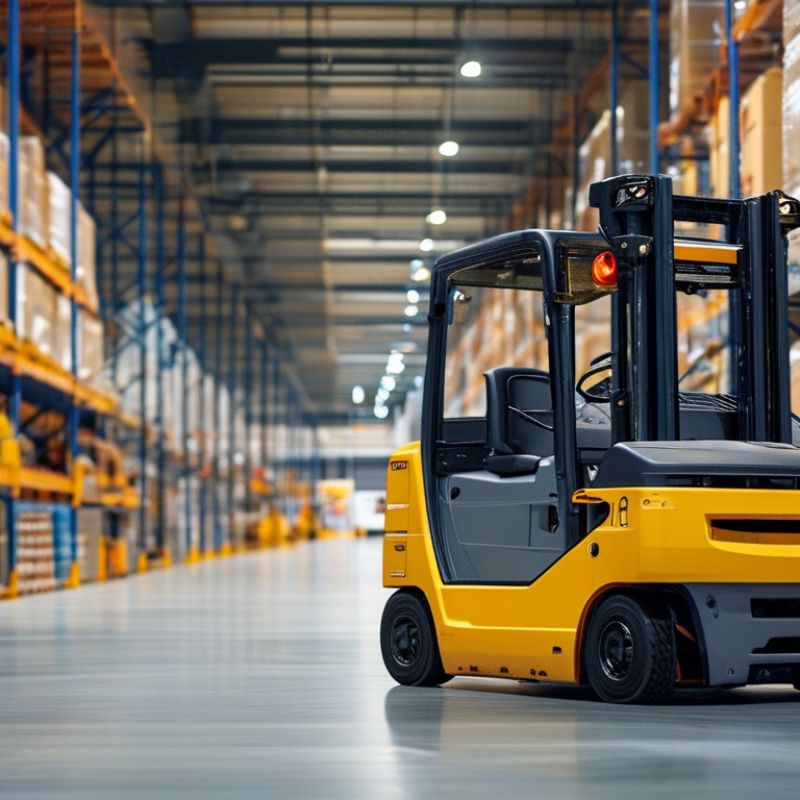
Top 10 Essential Safety Features for Warehouse Vehicles

Key Characteristics of Warehouse Vehicles for Safety

In the world of warehouse operations, safety is non-negotiable. Warehouse vehicles, such as forklifts and pallet jacks, must have essential safety features to protect both operators and other workers. The most important characteristics include stability, visibility, and ergonomics. Stability prevents tipping during operation, while a clear line of sight helps operators navigate safely in tight spaces.

Another significant feature is the presence of warning systems. Effective alarms, beacons, and lights alert everyone in the vicinity of moving vehicles. Regular maintenance checks play a critical role in ensuring that these safety features function optimally. Operators should be trained to recognize potential hazards. Each vehicle must be equipped with safety harnesses where applicable.

Communication tools, such as walkie-talkies, enhance awareness among team members. This coordination reduces accidents. However, relying solely on technology can be a mistake. Human judgment remains vital when assessing safety conditions. Each warehouse can benefit from specific adaptations based on its layout and traffic patterns, making safety a continuous learning process.

Top 10 Essential Safety Features for Warehouse Vehicles

Importance of Stability Systems in Warehouse Operations

In warehouse operations, stability systems play a crucial role in ensuring safety and efficiency. These systems provide balance and control, which are essential when transporting heavy loads. A vehicle that maintains stability prevents accidents. This minimizes the risk of injuries and damages to goods.

Moreover, stability systems use sensors to detect shifts in weight. They can adjust the vehicle's posture in real-time. This feature is particularly important when navigating through tight spaces or uneven surfaces. Operators often appreciate how these systems enhance their confidence while driving.

However, not all stability systems are perfect. Some may fail under extreme conditions or heavy usage. Regular maintenance is essential to keep them in optimal condition. Workers should be trained to recognize signs of malfunction. Each vehicle operator must prioritize thorough checks before each shift. Ignoring these details can lead to serious safety incidents that could have been easily avoided.

Integration of Proximity Sensors for Enhanced Safety

Proximity sensors play a crucial role in enhancing safety for warehouse vehicles. These sensors detect nearby objects and automatically alert operators. They can significantly reduce the risk of accidents, especially in crowded work environments. When a vehicle approaches a pedestrian or another object, the sensor triggers a warning. This instant communication can prevent collisions and injuries.

Many warehouses still lack comprehensive safety measures. The integration of proximity sensors can seem complex. Training staff to properly use these systems is essential. However, the benefits outweigh the challenges. For instance, implementing these sensors can decrease costly damages to both equipment and facilities. Monitoring vehicle movements can lead to a more organized workspace.

Improving safety with technology is a continuous journey. Not every warehouse has adopted these advancements yet. Organizations should evaluate their current safety protocols regularly. Investing in proximity sensors is an excellent step towards a safer environment. It’s important to remember that technology must be paired with diligent practices. Regular inspections and maintenance of these systems are key for optimal performance.

Emergency Stop Mechanisms for Warehouse Equipment

Emergency stop mechanisms are crucial for ensuring safety in warehouse environments. According to a report by the National Safety Council, around 50,000 injuries occur in warehouses annually. Many of these incidents could be avoided with reliable safety features. Emergency stop buttons provide a direct way to halt operations in emergencies, reducing injury risk.

Regular maintenance of these mechanisms is essential. In a survey by the Occupational Safety and Health Administration, 29% of warehouse operators reported issues with emergency stop functionality. Regular inspections can help identify potential malfunctions before they lead to accidents.

**Tip:** Implement a routine check every month. This ensures that all emergency stops are functional and up to safety standards.

Additionally, training personnel on how to use emergency stops effectively can save lives. It's crucial for workers to understand the locations and operations of these mechanisms. Studies show that warehouses with comprehensive training programs report 30% fewer accidents.

**Tip:** Include emergency stop training in onboarding processes. This sets a culture of safety from day one.

While emergency stop systems help prevent accidents, relying solely on them can be misleading. Over-confidence can lead to neglecting other safety measures. Therefore, it's vital to integrate emergency stops with other safety features for a well-rounded approach.

Top 10 Essential Safety Features for Warehouse Vehicles - Emergency Stop Mechanisms for Warehouse Equipment

Feature Description Importance Level Common Types
Emergency Stop Button A button that instantly halts all vehicle operations. Critical Forklifts, Pallet Jacks
Obstacle Detection Sensors Sensors that detect nearby objects and stop the vehicle. High Automated Guided Vehicles, Reach Trucks
Safety Interlocks Prevents operation when safety doors are open. High Forklifts, Stackers
Warning Lights and Alarms Visual and auditory alerts for operators and pedestrians. Medium All types
Stability Control Systems Helps prevent tipping by controlling vehicle movements. High Forklifts
Cameras and Mirrors Provide visibility of blind spots around the vehicle. Medium All types
Seat Belts Secures the operator in the seat during operation. Critical Forklifts, Tuggers
Speed Limiting Features Restricts maximum speed for safer operation. Medium All types
Anti-collision Systems Detects potential collisions and automatically applies brakes. High Automated Guided Vehicles
Training and Certification Systems Ensures operators are trained and qualified to use equipment safely. Critical All types

Regular Maintenance and Safety Inspections for Vehicles

Regular maintenance of warehouse vehicles is crucial for safety. Routine checks prevent accidents and enhance operational efficiency. This involves inspecting brakes, lights, and tires. Mechanics should pay attention to fluid levels. Each component plays a key role in vehicle performance.

Safety inspections are essential. They identify wear and tear before it becomes a problem. Even small issues can lead to serious accidents. Conducting regular inspections helps maintain compliance with safety standards. Utilize checklists to ensure no detail is overlooked during the inspection process.

Failing to maintain warehouse vehicles could result in severe consequences. Unexpected breakdowns can disrupt workflow. This may impact productivity and lead to financial losses. Continuous training for staff on maintenance practices ensures a safer environment. Overall, fostering a culture of safety is essential in any warehouse setting.

FAQS

: What are the benefits of stability systems in warehouse operations?

: Stability systems enhance safety and efficiency by providing balance. They help control heavy loads, preventing accidents.

How do stability systems adjust to changes?

These systems use sensors to detect weight shifts. They can adjust the vehicle's posture in real-time.

What should operators do to maintain stability systems?

Regular maintenance is important. Operators must check for malfunctions before each shift to ensure safety.

How important are emergency stop mechanisms?

They are crucial for safety. Emergency stops can reduce the risk of injuries during warehouse operations.

What percentage of operators report issues with emergency stop functionality?

A survey showed that 29% reported problems. Regular inspections help catch these issues before they lead to accidents.

Why is training on emergency stops important?

Effective training can save lives. Understanding how to use these stops can reduce accidents by 30%.

What common maintenance checks are needed for vehicles?

Inspect brakes, lights, and tires regularly. Fluid levels should also be monitored for optimal performance.

What are the risks of neglecting vehicle maintenance?

It can lead to unexpected breakdowns, disrupting workflow and causing financial losses.

How can a culture of safety be fostered in warehouses?

Continuous training and regular maintenance can create a safer work environment. It’s important to prioritize safety every day.

Conclusion

When considering what safety features are important in warehouse vehicles, there are several essential characteristics to prioritize. Stability systems play a crucial role in ensuring safe operations by preventing tipping and maintaining balance during movement. Additionally, the integration of proximity sensors significantly enhances safety by detecting obstacles and preventing collisions within the busy warehouse environment.

Furthermore, emergency stop mechanisms are vital for quickly halting vehicles in case of unforeseen circumstances, thereby protecting both operators and nearby personnel. Regular maintenance and safety inspections of warehouse vehicles are also crucial, ensuring that all safety features are functioning correctly and reducing the likelihood of accidents. By focusing on these key safety features, warehouses can create a safer working environment for their employees.

Sophia

Sophia

Sophia is a dedicated marketing professional with an exceptional depth of knowledge about her company's products and services. With a keen understanding of market trends and customer needs, she crafts insightful blog posts that not only inform but also engage readers, enriching the company’s online......