How to Enhance Warehouse Efficiency with Material Handling Equipment?

Time:2026-04-13 Author:Ethan
0%

In today's competitive logistics landscape, understanding how to improve warehouse efficiency with material handling equipment is essential. Efficient warehouses are vital for timely deliveries and customer satisfaction. The right equipment can minimize downtime and increase productivity.

When considering material handling solutions, variety matters. Different tools serve unique purposes—forklifts, conveyors, and automated systems all play a role. Choosing the right combination can be complex. Implementation should focus on specific needs and existing workflow.

Regular assessment of equipment performance is crucial. Are there bottlenecks? Is equipment underutilized? Continuous improvement requires honest evaluation and adaptation. Enhancing warehouse efficiency isn't just about investing in technology; it involves a culture of reflection and responsiveness.
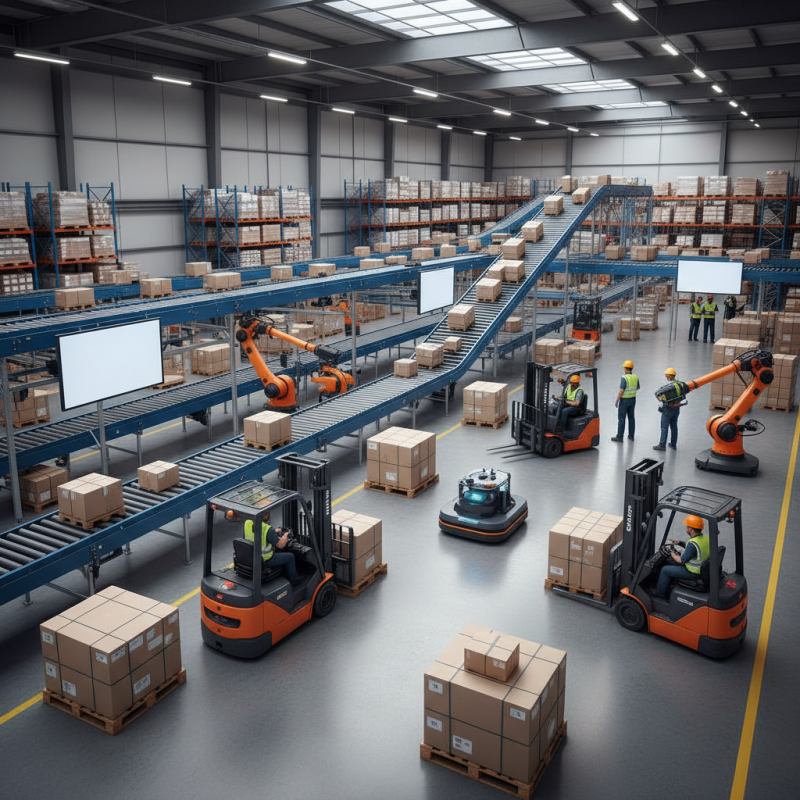
How to Enhance Warehouse Efficiency with Material Handling Equipment?

Types of Material Handling Equipment for Warehouse Efficiency

In modern warehousing, material handling equipment plays a critical role in boosting efficiency. Forklifts, conveyor belts, and automated storage systems are just a few types of equipment that streamline operations. To illustrate, a recent industry report by the Material Handling Industry of America (MHIA) found that using automated equipment can reduce operational costs by up to 25%. But it’s crucial to pick the right equipment based on specific needs.

Forklifts are versatile for moving heavy items. They allow staff to transport goods quickly, reducing manual labor. However, improper training or maintenance can lead to accidents. According to OSHA, there are about 96,000 forklift injuries annually in the US. This highlights the need for proper protocols and safety measures when utilizing such equipment.

Automated storage and retrieval systems (AS/RS) minimize retrieval times and improve order accuracy. They play a vital role in enhancing space utilization. However, organizations must evaluate their volume and layout before investing. A report showed that poorly planned systems could lead to increased downtime and decreased productivity. Balancing innovation with thoughtful implementation is essential for long-term success in warehouse efficiency.

Factors to Consider When Selecting Material Handling Equipment

Selecting the right material handling equipment is vital for enhancing warehouse efficiency. Key factors include the type of products handled. Consider weight, size, and shape. For instance, bulky items may require different solutions compared to smaller packages. Understanding the physical characteristics of your inventory leads to better choices.


Another critical element involves evaluating your workflow. Analyze the layout and traffic patterns in your warehouse. Equipment must facilitate smooth operations, reducing bottlenecks. A cramped space may limit the effectiveness of larger machines. Take time to assess how often you need to reorganize. Frequent layout changes indicate that flexibility in equipment choice is essential.


Cost is always a consideration. However, don't only look at the price tag. Invest in equipment that offers long-term value. Sometimes cheaper options can lead to higher maintenance costs. Make sure to consider warranties, safety features, and technical support. Reflect on whether lower upfront costs truly benefit your operations over time.

Best Practices for Implementing Material Handling Equipment

Integrating material handling equipment (MHE) in warehouses can significantly boost efficiency. Industry reports indicate that proper utilization can reduce operational costs by up to 20%. However, selecting the right equipment requires careful analysis of your specific needs. MHE types vary widely, from pallet jacks to conveyor systems. Knowledge of their pros and cons is crucial.

Implementing best practices is essential for maximizing benefits. First, training is vital. Employees should understand how to operate equipment safely and efficiently. According to the Occupational Safety and Health Administration (OSHA), inadequate training contributes to 25% of workplace accidents. This issue emphasizes the need for investment in comprehensive training programs.

Another key area is the layout of the warehouse. A well-designed floor plan can streamline workflows. Poor layouts often lead to unnecessary delays. A study by the Warehousing Education and Research Council (WERC) shows that optimized layouts can increase productivity by 30%. Regular assessments of equipment and process flow are also necessary. These reflections help identify bottlenecks in operations, allowing for continuous improvement.

Warehouse Efficiency Enhancement Through Material Handling Equipment

This bar chart illustrates the impact of various material handling equipment on warehouse efficiency across different operations. The data reflects percentage increases in efficiency after implementing the respective equipment.

Innovative Technologies in Material Handling Equipment

Innovative technologies in material handling equipment are transforming warehouses. Automation is at the forefront. Robots can transport goods efficiently without human intervention. They reduce operational costs while increasing speed. Many companies are adopting these solutions.

Another notable technology is the use of advanced data analytics. It helps monitor inventory levels in real-time. This can prevent stockouts and overstock situations. However, understanding the data can be challenging. Employees may need additional training to utilize these systems effectively.

Smart warehousing also includes augmented reality (AR). AR enables workers to locate items quickly. It enhances picking accuracy. Yet, the implementation can be costly, and not all warehouses can afford such upgrades. Balancing investment and efficiency is vital. Exploring these technologies can lead to significant improvements, but careful consideration is necessary.

Training and Safety Measures for Efficient Equipment Use

Training and safety measures are critical for effective use of material handling equipment in warehouses. Employees should receive hands-on training to understand the machinery they operate. This training should include proper techniques for lifting, moving, and stacking materials. Simulations can help workers visualize scenarios they may encounter. Providing this training fosters confidence and reduces accidents.

Regular safety drills are essential. These drills keep safety protocols fresh in employees' minds. They also allow workers to practice the correct response to emergencies. For example, what should they do in case of equipment failure? Giving workers a chance to learn in a controlled environment is valuable. This proactive approach helps build a culture of safety in the workplace.

Even with thorough training, mistakes can happen. It's essential to encourage open communication so employees feel comfortable reporting issues. Creating a feedback loop allows trainers to assess and refine their methods. Continuous improvement is a shared responsibility. By focusing on both training and the feedback process, warehouses can enhance their overall efficiency while prioritizing safety.

FAQS

: Why is proper training important for using material handling equipment?

: Proper training reduces workplace accidents. Research indicates inadequate training contributes to 25% of such incidents.

How can layout affect warehouse efficiency?

A well-designed floor plan streamlines workflows. Poor layouts can cause delays, reducing overall productivity.

What benefits do optimized layouts offer?

Optimized layouts can boost productivity by 30%. Regular assessments can help identify and eliminate bottlenecks.

What should training for equipment operators include?

Training should cover lifting, moving, and stacking techniques. Hands-on practice builds confidence and reduces mistakes.

How can safety drills improve workplace safety?

Safety drills refresh safety protocols. They help workers prepare for emergencies and reinforce correct responses.

What role does feedback play in training effectiveness?

Open communication encourages reporting issues. Feedback helps trainers refine methods for continuous improvement.

Can mistakes still happen despite training?

Yes, mistakes can occur. Promoting a safe communication culture helps address problems quickly and effectively.

How often should equipment and processes be assessed?

Regular assessments are crucial for identifying inefficiencies. They support ongoing optimization of warehouse operations.

Conclusion

In the quest to improve warehouse efficiency with material handling equipment, it is essential to explore various types of equipment suitable for diverse tasks, ranging from forklifts to automated storage systems. An informed selection process should take into account factors like the layout of the warehouse, the volume of goods handled, and specific operational needs. Implementing best practices, such as regular maintenance of equipment and optimizing workflow processes, can significantly enhance productivity.

Additionally, embracing innovative technologies like robotics and IoT can revolutionize material handling, driving efficiency further. Comprehensive training and adherence to safety measures are critical to ensure that all personnel effectively operate and maintain equipment. By focusing on these aspects, warehouses can achieve significant improvements in overall efficiency and safety.

Ethan

Ethan

Ethan is a seasoned marketing professional with a deep expertise in our company's innovative product line. With a passion for sharing knowledge and insights, he takes the lead in regularly updating our corporate blog, where he explores industry trends, product features, and effective marketing......