Electric forklifts are transforming the warehouse and logistics industry in 2026. Their rise reflects a shift towards sustainability. Companies increasingly seek eco-friendly alternatives to traditional forklifts. This trend raises the question: why electric forklifts are becoming more popular?
Electric forklifts offer several advantages. They produce zero emissions, which significantly improves air quality in indoor environments. Businesses recognize the long-term cost savings from reduced energy consumption and maintenance. Moreover, advancements in battery technology enhance their performance and efficiency. However, some companies may still worry about the initial investment costs.
Despite these concerns, the overall benefits outweigh the drawbacks. Adopting electric forklifts aligns with corporate social responsibility goals. As more businesses prioritize sustainability, the demand for electric solutions will continue to grow. The future of material handling equipment increasingly points toward electric innovations.
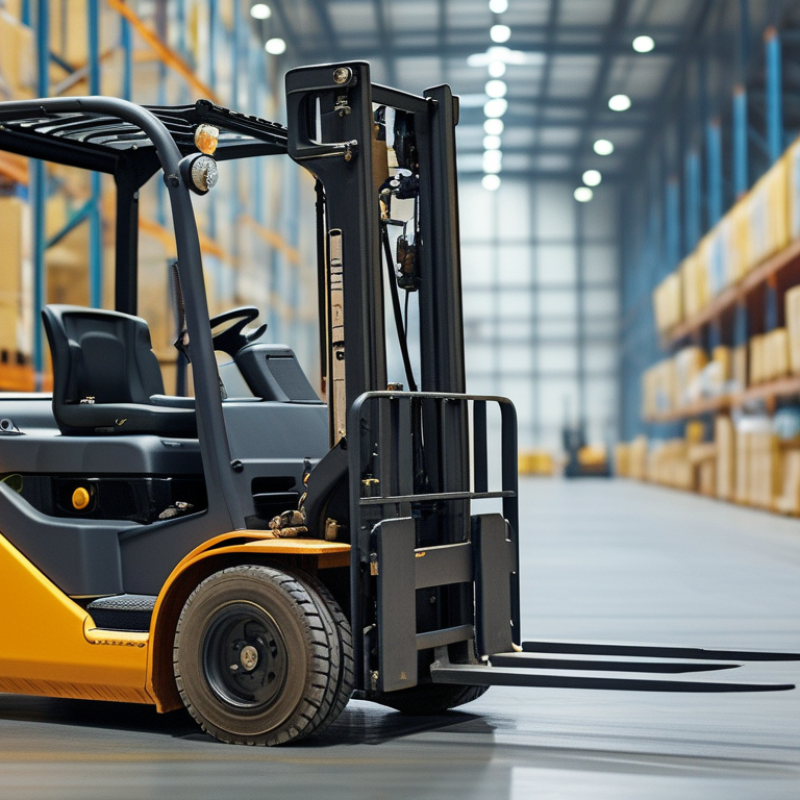
Electric forklifts are becoming increasingly popular in 2026 due to various driving factors. For instance, a report from the International Energy Agency (IEA) indicates that electric forklift sales are projected to rise by over 30% compared to previous years. This surge stems from businesses seeking energy efficiency and lower operating costs. Electric forklifts require less maintenance than their diesel counterparts, resulting in a shift towards more sustainable options.
Companies are also influenced by stricter environmental regulations. Many organizations aim to achieve net-zero emissions by 2050. Utilizing electric forklifts is a vital step towards this goal, as they produce zero emissions during operation. Reports show that electric forklifts can reduce energy consumption by up to 50% compared to traditional machines. This not only enhances compliance with regulations but also improves indoor air quality in warehouses.
Tip: When transitioning to electric forklifts, consider starting with a mixed fleet approach. This can ease the shift, allowing companies to gauge performance and employee adaptation before fully committing. Evaluate the charging infrastructure as well; inadequate charging can lead to operational downtime. Investing in proper planning can prevent these issues. Remember, every little adjustment counts in the pursuit of sustainability.
Electric forklifts are becoming increasingly popular in 2026, particularly due to their environmental advantages. According to recent industry reports, electric models emit significantly less carbon dioxide compared to internal combustion forklifts. Studies indicate that electric forklifts can reduce greenhouse gas emissions by up to 50%, which appeals to businesses aiming for sustainability.
However, the transition isn’t without its challenges. Electric forklifts often have higher upfront costs compared to their combustion counterparts. A report by the Material Handling Industry suggests that while electric forklifts can lead to approximately 30% lower operational costs over time, the initial investment remains a barrier for some companies. Additionally, charging infrastructure and battery life are ongoing considerations that can complicate operations.
In terms of performance, electric forklifts generally offer quicker responsiveness and quieter operation. Yet, they may fall short in heavy-duty applications where internal combustion models excel. This dichotomy requires companies to carefully assess their needs. They must weigh ecological benefits against functionality and cost. As the industry evolves, the balance between these elements will become crucial for informed decision-making.
As we move through 2026, the rise of electric forklifts reflects a critical shift in the industry toward sustainability. Reports indicate that electric models now account for nearly 55% of new forklift sales. This significant increase highlights a growing awareness of environmental impact among manufacturers and companies.
Electric forklifts are notably more energy-efficient than their gas-powered counterparts. They emit 50% less CO2 during operation, leading to improved air quality in warehouses. Moreover, data from recent studies show that businesses using electric forklifts can reduce operational costs by up to 30% due to lower maintenance and fuel expenses. The reduced noise levels also enhance the work environment, making it more comfortable for employees.
However, the transition is not without challenges. Infrastructure upgrades may be required to support electric charging stations. Some companies still face the high upfront costs of replacing fleets. This hesitancy raises questions about the balance between immediate investments and long-term sustainability benefits. Addressing these concerns will be essential as the trend toward electric forklifts continues to grow.
| Benefit | Description | Impact (%) |
|---|---|---|
| Reduced Emissions | Electric forklifts produce zero tailpipe emissions, significantly lowering air pollution. | 100% |
| Energy Efficiency | Electric forklifts are more energy-efficient compared to their diesel counterparts, leading to lower energy costs. | 30% less energy use |
| Noise Reduction | Operate at significantly lower noise levels, improving workplace conditions. | 50% reduction in noise |
| Lower Maintenance Costs | Fewer moving parts lead to reduced wear and lower overall maintenance costs. | 20% cost savings |
| Sustainability Branding | Businesses using electric forklifts can enhance their sustainability image, attracting eco-conscious clients. | Increased customer loyalty |
Electric forklifts are becoming increasingly popular in 2026. This trend can be attributed to significant technological advancements that enhance their performance and efficiency. These advancements include improved battery technology and smarter control systems. Enhanced lithium-ion batteries offer longer run times and quicker charging, making electric forklifts more viable for various operations. They can operate longer without downtime, increasing productivity on the warehouse floor.
Another critical evolution is the integration of advanced sensors. These sensors provide real-time data about the forklift's performance and operational environment. This allows operators to make informed decisions quickly. As automation continues to rise, electric forklifts are often equipped with AI to optimize navigation and load handling, reducing errors and improving safety.
Tips: Regular maintenance of battery systems is crucial. Monitor charge cycles to maximize battery lifespan. Also, train staff on the latest technologies. Knowledge of features ensures safe and efficient use. Embracing new systems can seem overwhelming. Take small steps to integrate these technologies into your operations gradually.
Electric forklifts are becoming increasingly popular due to their cost-saving benefits. Businesses are recognizing the long-term financial advantages of using electric models. Electricity costs are generally lower than fuel costs. This can lead to substantial savings, especially for companies with intensive lifting needs.
Maintenance costs are often lower for electric forklifts. They have fewer moving parts compared to their gas counterparts. This reduces the need for frequent repairs and parts replacement. Operators also find electric models easier to handle. They’re quieter, which can improve workplace conditions.
However, companies should consider the initial investment. Electric forklifts can have higher upfront costs. This requires careful budgeting and planning. Not all businesses may benefit immediately. Some may need to weigh their options before committing. Balancing upfront costs with long-term savings is crucial.
This chart illustrates the reasons for the increasing popularity of electric forklifts in 2026. The data indicates significant cost savings in initial costs, maintenance, fuel, and a lower environmental impact, driving the shift towards electric solutions.
: Electric forklifts are sought after for energy efficiency and lower operating costs. Sales are projected to rise over 30%.
Stricter regulations drive companies towards sustainable practices. Electric forklifts produce zero emissions, supporting net-zero goals.
They can cut energy use by up to 50% compared to traditional forklifts, enhancing compliance with regulations.
A mixed fleet approach can ease the transition. Evaluate charging infrastructure to avoid operational downtime.
Enhanced battery technology and smart control systems lead to longer run times and quicker charging.
Sensors provide real-time performance data. This helps operators make informed decisions quickly and improves safety.
Yes, electric models have fewer moving parts, leading to lower maintenance costs and reduced repairs.
They can be higher upfront compared to gas forklifts. Businesses need careful budgeting and planning.
Embracing new features can seem overwhelming. Taking gradual steps ensures a smoother integration process.
Staff must understand advanced technologies to ensure safe and efficient use. Knowledge is essential for performance.
In 2026, the popularity of electric forklifts is surging due to several key factors driving their adoption in various industries. One major aspect is the comparative analysis between electric forklifts and traditional internal combustion models, showcasing the advantages of electric options in terms of efficiency and reduced emissions. Additionally, the economic considerations highlight significant cost savings associated with electric forklifts, such as lower fuel and maintenance expenses.
Moreover, the environmental benefits of electric forklift usage play a crucial role in why electric forklifts are becoming more popular, as companies increasingly prioritize sustainability in their operations. Technological advancements further enhance the performance of electric forklifts, making them more reliable and appealing for modern warehousing and logistics needs. Overall, as businesses seek to embrace greener practices and improve operational efficiency, the shift towards electric forklifts is becoming more pronounced.

IDD Motion