Choosing the right equipment for high density storage is crucial for maximizing space and efficiency. According to the Warehousing Education and Research Council (WERC), nearly 40% of warehouse costs are tied to space utilization. The right equipment can significantly reduce these costs. Experts in the field emphasize the need for strategic selection. John Smith, a leading consultant in storage solutions, states, "Investing in the right equipment is not just beneficial; it’s essential for sustainable growth."
When considering how to choose equipment for high density storage, it's essential to evaluate specific needs carefully. Factors such as warehouse layout, inventory types, and access requirements come into play. Many businesses overlook the long-term impacts of their equipment choices. They may face challenges with adaptability as operations change. Understanding these complexities is vital for making informed decisions.
The diversity of storage systems can be overwhelming. From pallet racks to automated retrieval systems, each option has its merits and drawbacks. A thorough analysis of the available technology is necessary. Balancing cost with efficiency often leads to questions. Identifying the right fit for unique operational needs is a constant challenge. Aim to reflect on these realities as you assess your storage solutions.
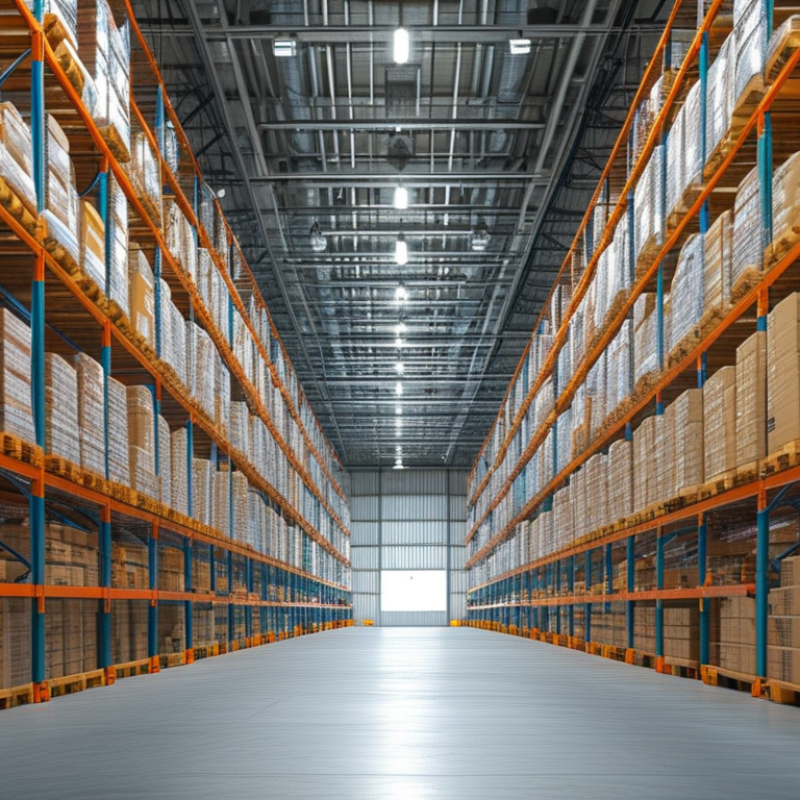
High-density storage solutions are crucial for maximizing space efficiency in various settings. Understanding the unique needs of your storage environment is essential for achieving your organizational goals. A recent survey by the International Facility Management Association revealed that 50% of businesses struggle with space utilization. This underscores the importance of choosing the right equipment.
Assess your operational needs first. Analyze how frequently items are accessed and the types of materials involved. For instance, a warehouse storing seasonal merchandise might require mobile shelving systems. These systems can reduce the space required by up to 30%. On the other hand, archives might benefit from static shelving, which is easier to organize and maintain. Each setup has its pros and cons and should align with your specific objectives.
Choosing equipment that meets your high-density storage goals is vital. Regular evaluations can reveal inefficiencies. For instance, you might discover that expensive equipment is underutilized or that layout changes could enhance accessibility. Investing in adjustable shelving systems can provide flexibility, adapting as your storage needs evolve. Ultimately, understanding these nuances will help you create a more efficient and responsive storage solution.
: They maximize space efficiency in various settings and help organizations achieve their goals.
Evaluate your operational needs, access frequency, and material types involved in storage.
They can reduce the space required by up to 30%, optimizing storage for seasonal goods.
Static shelving is recommended as it is easier to organize and maintain for archival purposes.
Focus on the specific needs of your space, weight capacity, and dimensions of your products.
Limited space can restrict options and may require creative solutions for efficient storage.
It allows for a hands-on assessment of functionality and assesses fit within your workflow.
Regular evaluations can reveal inefficiencies, ensuring your storage adapts to evolving needs.
They provide flexibility to adapt as your storage needs change over time, enhancing efficiency.
Consider any underutilized equipment or layout inefficiencies to avoid repeating past errors.
When considering how to choose equipment for high density storage, it's essential to first understand the specific storage needs and goals of your operation. This involves evaluating the types of available storage equipment that best suit those needs, whether it's shelving, racks, or other systems. Assessing the physical space available for optimal storage arrangement is crucial, as it directly impacts the efficiency of the storage solution.
Moreover, determining the load capacity and material durability of the equipment ensures it can handle the intended weight and usage over time. Finally, considering cost-effectiveness and the potential for long-term investment will help in selecting equipment that not only fits within budget constraints but also provides value over time. By carefully analyzing these factors, organizations can effectively streamline their high density storage solutions.

 IDD Motion