10 Best Ways to Reduce Warehouse Labor Costs with Automation?

Time:2026-08-03 Author:Henry
0%

In today’s competitive market, companies are under constant pressure to cut costs while improving efficiency. Understanding how to reduce warehouse labor costs with automation can be a game-changer for many businesses. Automation technology offers a solution that not only streamlines operations but also significantly minimizes labor expenses. This approach allows for faster order processing and improved accuracy, ultimately leading to enhanced customer satisfaction.

However, implementing automation is not without its challenges. It requires a thoughtful strategy and a clear understanding of the processes at play. Many organizations struggle with choosing the right automation tools. They often face a learning curve that can delay expected benefits. Identifying areas where automation can provide the most impact is crucial. Not all operations may benefit equally, and some may even see a temporary dip in efficiency during the transition.

It's essential to approach automation with realistic expectations. Shifting to automated systems is a commitment that demands time and resources. Yet, for those willing to invest, the rewards can be substantial. The goal is to create a balanced system that leverages human skills alongside automated processes. This blend leads to improved workflows and, ultimately, reduced labor costs over time.
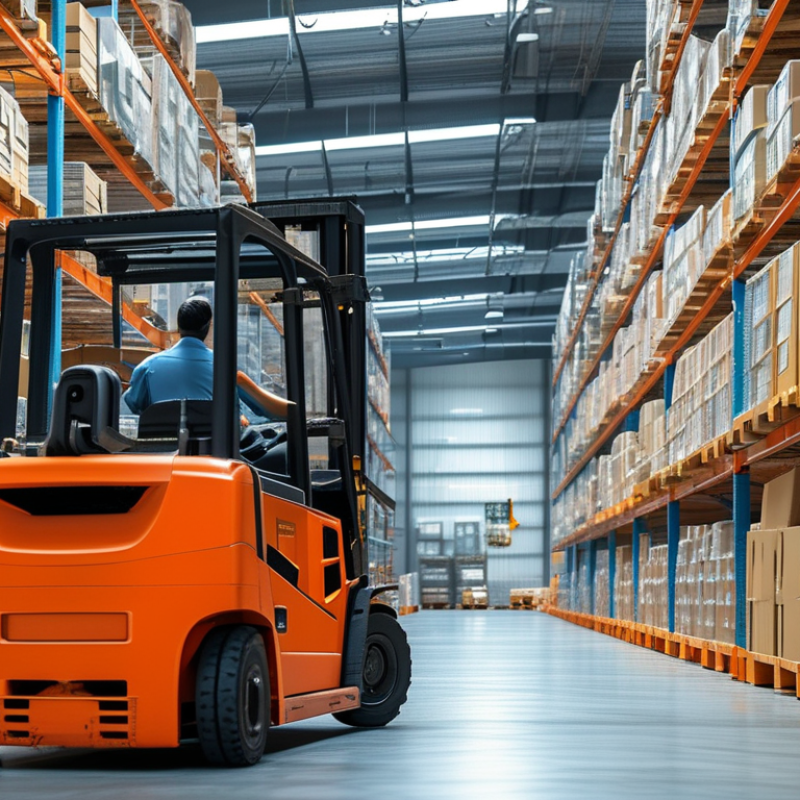
10 Best Ways to Reduce Warehouse Labor Costs with Automation?

Evaluating the Current Warehouse Labor Costs and Automation Opportunities

Warehouse labor costs have soared in recent years, prompting businesses to seek innovative solutions. Evaluating current expenses is crucial for understanding how automation can optimize operations. A detailed analysis may reveal areas of excess labor. For instance, manual picking processes often consume significant time and energy. Identifying these gaps is a key step in the journey toward cost reduction.

Automation opportunities, such as robotic systems and automated storage solutions, present various advantages. These systems can work continuously, reducing the need for overtime and improving efficiency. However, integrating automation is not without its challenges. Companies must consider the initial investment required and the potential disruption during the transition. Employee training is another vital aspect. Staff must adapt to new technologies, which can be a slow process.

Historic strategies may need reevaluation. Relying excessively on manual labor creates vulnerabilities. This approach can result in higher error rates and decreased productivity. Nonetheless, a hybrid model combining automation and skilled workers could yield the best results. Thus, a thorough assessment of current labor costs and a realistic view of automation's benefits can guide companies toward a more efficient future.

Identifying Key Areas for Automation to Streamline Warehouse Operations

When considering warehouse automation, pinpointing the right areas can significantly streamline operations. Focus on repetitive tasks that consume a lot of time. For instance, manual sorting and packing can be automated to enhance speed and accuracy. Implementing robotic process automation can save labor hours and minimize mistakes.

Consider upgrading your inventory management systems. Utilizing automated tracking reduces the chances of stock discrepancies. Integrating barcode systems can lead to more precise inventory counts. This step often results in noticeable efficiency improvements.

Look into automated picking solutions. Automated guided vehicles can transport items without human intervention. This reduces labor costs and accelerates fulfillment processes. Analyze the workflow to identify bottlenecks. Addressing these areas with automation can enhance overall productivity.

Tip: Regular training sessions for staff on new technologies can improve acceptance. Employees should feel confident using new systems. This approach encourages a smoother transition to automation.

10 Best Ways to Reduce Warehouse Labor Costs with Automation

Implementing Automated Solutions for Inventory Management and Picking

Automated solutions for inventory management and picking are crucial in reducing warehouse labor costs. By incorporating technology, warehouses can streamline operations and improve accuracy. Automation minimizes human error and speeds up picking processes. This shift can significantly boost productivity and reduce overhead costs.

One effective tip is to implement a barcode scanning system. This helps track inventory in real-time, allowing for better stock management. Employees spend less time searching for items. Another approach is using automated picking systems, like robotic arms. They can work continuously, handling repetitive tasks with high precision.

It's important to remember that automation requires careful planning. Not all processes may benefit equally from automation. Evaluate each workflow critically. Training staff to adapt to new technologies can take time. The learning curve can impact initial productivity levels. Embrace these challenges; they can lead to more efficient operations long-term.

Utilizing Robotics and AI for Enhanced Efficiency in Warehouse Tasks

In today's fast-paced logistics landscape, leveraging robotics and AI can significantly enhance warehouse efficiency. Automated systems can streamline repetitive tasks. This reduces human error and accelerates order fulfillment. For instance, robotic arms can handle packing tasks. They work faster than human workers and maintain consistency in output. AI algorithms optimize inventory management by predicting demand trends.


However, the integration of these technologies poses challenges. Workforce training is essential. Workers must adapt to new systems, which can lead to initial productivity drops. Additionally, not all tasks can be automated. Complex decision-making still requires human oversight. Despite these hurdles, the long-term benefits are impressive. Implementing AI can free up staff for more strategic roles.


Investing in automation is not just about cost savings. It demands a shift in workplace culture. Open communication is vital for addressing concerns. Workers may fear job loss, so involving them in the transition process is crucial. A balanced approach ensures that businesses harness technology effectively while maintaining a motivated workforce.

Measuring ROI and Continuous Improvement in Automated Warehouse Systems

Measuring the ROI in automated warehouse systems is crucial for success. To achieve maximum efficiency, companies should track key performance indicators (KPIs) consistently. Metrics like order accuracy and average picking time provide insights into system performance. Regular evaluations help identify areas for improvement. Involving staff in this process strengthens team engagement and innovation.

Tips for evaluation: Create a feedback loop for employees to share their experiences. Use this information to create a roadmap for future enhancements. Consider conducting surveys to understand the challenges faced by workers. Their insights can lead to significant process refinements.

Continuous improvement in automation relies on a willingness to adapt. It's not just about technology; it's about culture. Sometimes, issues will arise that disrupt processes. Treat these moments as learning experiences. Analyze failures to understand underlying causes. This reflection can pave the way for better practices and implementations moving forward. Encourage collaboration between teams for a holistic approach to problem-solving.

FAQS

: What are key areas to focus on for warehouse automation?

: Identify repetitive tasks, like manual sorting and packing, for potential automation.

How does automation impact inventory management?

Automation enhances accuracy and reduces stock discrepancies through real-time tracking and barcode systems.

What role do automated guided vehicles play in warehouses?

They transport items without human help, cutting labor costs and speeding up fulfillment.

Why is regular training important when implementing new technologies?

Training boosts staff confidence and acceptance, making transitions smoother and more effective.

How can I measure the success of automated warehouse systems?

Track KPIs like order accuracy and picking time to assess system performance regularly.

What should I do if the initial implementation of automation affects productivity?

Embrace the learning curve as a chance to improve processes. Analyze what went wrong.

How can employee feedback improve automated processes?

Regular feedback allows for issues to be identified and addressed, leading to better operations.

What should be considered when selecting processes for automation?

Evaluate each workflow critically; not all may benefit equally from automation efforts.

What common challenges arise with automation?

Issues may disrupt processes. Use them as learning experiences for future enhancements.

How can collaboration among teams benefit warehouse operations?

It encourages shared problem-solving, leading to more holistic and effective solutions.

Conclusion

In today's competitive market, understanding how to reduce warehouse labor costs with automation is essential for optimizing operations. The first step involves evaluating the current labor costs and identifying opportunities for automation that can enhance efficiency and productivity. By pinpointing key areas within warehouse operations, businesses can implement automated solutions for inventory management and order picking, significantly reducing manual labor reliance.

Additionally, utilizing robotics and AI technology can streamline various warehouse tasks, leading to faster processing times and improved accuracy. Measuring the return on investment (ROI) from these automated systems allows organizations to gauge effectiveness and drive continuous improvement, ultimately creating a more cost-efficient and productive warehouse environment.

Henry

Henry

Henry is a dedicated marketing professional with a profound expertise in the company's offerings. With years of experience in the industry, he possesses an impressive understanding of the market dynamics and consumer behaviors that drive success. Henry is committed to sharing his insights through......